Amazon’s July 27, 2026, filing with the Federal Communications Commission (FCC) for 5,000 direct-to-phone satellites represents a seismic shift in global connectivity infrastructure that will fundamentally reshape how AI content creators operate. The original report from Blockonomi reveals Amazon’s ambitious plan to deploy a massive satellite constellation that connects directly to standard mobile phones, eliminating the need for specialized ground equipment. This move positions Amazon to compete directly with SpaceX’s Starlink and Apple’s satellite emergency services, while creating unprecedented opportunities for AI-powered content delivery, real-time data processing, and global audience reach that bypasses traditional internet infrastructure limitations.
The Technical and Strategic Breakdown of Amazon’s Satellite Gambit

Amazon’s Project Kuiper expansion to 5,000 direct-to-phone satellites operates at altitudes between 600-650 kilometers, utilizing advanced beamforming technology to connect directly to standard 4G and 5G smartphones without additional hardware. The filing specifies that these satellites will operate in the 1.6 GHz (L-band) and 2 GHz (S-band) frequencies, which are compatible with existing mobile networks worldwide. This technical approach differs significantly from SpaceX’s Starlink, which requires dedicated terminals, and Apple’s emergency-only satellite connectivity.
Amazon’s strategic positioning involves three key components:
- Infrastructure Integration: Seamless connection to Amazon Web Services (AWS) ground stations and edge computing nodes
- Market Timing: Deployment planned for 2027-2032, coinciding with global 6G network development
- Regulatory Advantage: Filing for FCC approval ahead of international competitors in the direct-to-phone space
The financial scale is staggering: Amazon has already committed $10 billion to Project Kuiper, with this expansion potentially adding another $15-20 billion in development and deployment costs. The company’s stock (AMZN) traded at $232.15 following the announcement, reflecting investor confidence in this infrastructure play that could generate $30-50 billion annually in connectivity services by 2035.
Immediate Impacts on AI Content Creation and Distribution

Amazon’s satellite network creates four revolutionary changes for AI content creators:
1. Global Content Delivery Without Geographic Restrictions
Traditional content distribution faces bandwidth limitations in rural and developing regions. Amazon’s satellite network will deliver 100+ Mbps connectivity to any location with a clear sky view, enabling AI content creators to reach previously inaccessible audiences. This means AI-generated content, automated publishing systems, and real-time personalization can function identically whether a user is in Manhattan or rural Mongolia.
2. Real-Time AI Processing Anywhere
Current AI content tools like ChatGPT, Midjourney, and automated SEO platforms require stable internet connections. With satellite connectivity, AI content creators can run complex prompts, generate multimedia content, and publish to WordPress or other CMS platforms from literally anywhere on Earth. This enables true mobile-first content creation workflows where geographic location becomes irrelevant.
3. Data Collection and Personalization at Scale
Amazon’s network will provide unprecedented data about content consumption patterns across geographic boundaries. AI content systems can leverage this data to:
- Personalize content based on regional engagement metrics
- Optimize publishing schedules according to global usage patterns
- Test content variations across diverse cultural contexts simultaneously
4. Competitive Landscape Transformation
Content creators relying on traditional internet infrastructure will face competition from AI-powered creators who can operate from anywhere. The barrier to entry for high-quality, data-driven content creation will lower dramatically, while the value of localized, hyper-relevant content will increase proportionally.
Practical Implementation Strategies for AI Content Creators
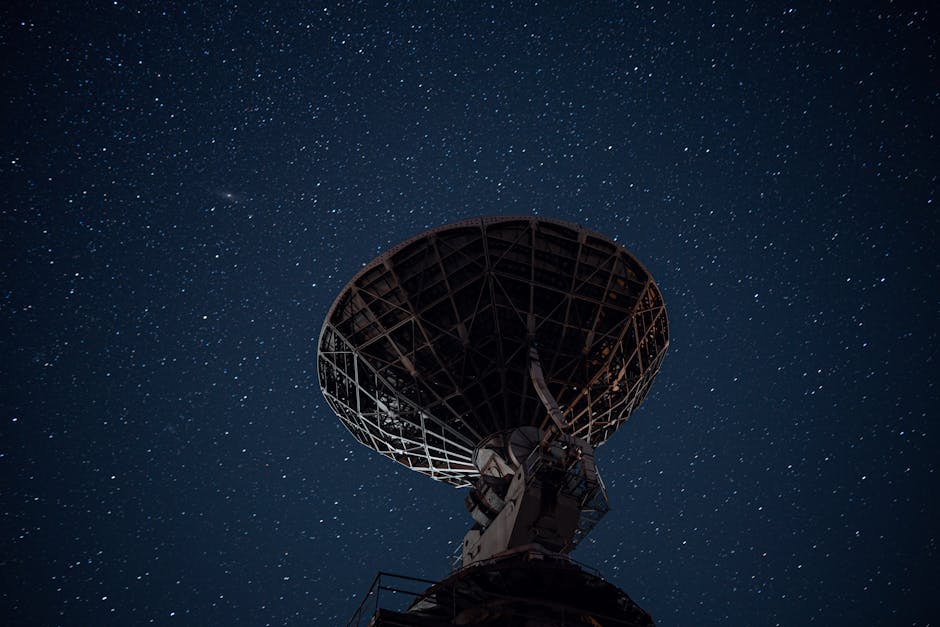
Forward-thinking content creators should implement these strategies immediately to capitalize on Amazon’s satellite infrastructure:
1. Infrastructure Preparation (2026-2027)
Begin migrating content workflows to cloud-based AI tools that will benefit from satellite connectivity:
- Transition from desktop-based AI tools (like some GPT-4 implementations) to web-based platforms
- Implement edge computing strategies using AWS Lambda@Edge or similar services
- Optimize WordPress sites for low-latency satellite connections (implement caching, minimize plugin overhead)
2. Content Strategy Evolution
Develop content that leverages global connectivity:
- Create location-agnostic educational content with universal appeal
- Implement multi-language AI translation workflows using tools like DeepL API or Google Translate API
- Develop interactive content formats that work reliably across varying connection qualities
3. Technical Optimization Checklist
Prepare your content infrastructure for satellite delivery:
| Area | Action Items | Tools to Use |
|---|---|---|
| Content Delivery | Implement CDN with satellite edge nodes, compress images to WebP/AVIF formats | Cloudflare, Amazon CloudFront, ShortPixel |
| AI Processing | Move AI workflows to serverless functions, implement prompt caching | AWS Lambda, Google Cloud Functions, EasyAuthor.ai automation |
| WordPress Optimization | Minimize HTTP requests, implement lazy loading, use satellite-aware themes | WP Rocket, Perfmatters, GeneratePress |
4. Monetization Opportunities
Amazon’s network creates new revenue streams:
- Develop content specifically for emerging markets gaining internet access
- Create AI-generated content services for businesses expanding globally
- Build satellite-optimized affiliate marketing strategies with global reach
The Future of AI Content in a Satellite-Connected World

By 2030, Amazon’s 5,000-satellite network will likely be fully operational, creating a world where AI content creation faces no geographic barriers. This represents both opportunity and challenge:
Opportunities:
– True global audience reach for niche content creators
– Real-time content personalization based on global engagement data
– New content formats enabled by reliable global connectivity
– Democratized access to AI content creation tools worldwide
Challenges:
– Increased competition from global AI content creators
– Need for cultural sensitivity at scale
– Regulatory compliance across multiple jurisdictions
– Technical optimization for varying connection qualities
The most successful AI content creators will be those who begin adapting their workflows today. Start by:
- Auditing your current content delivery infrastructure
- Testing your AI tools with simulated high-latency connections
- Developing content strategies that transcend geographic limitations
- Building relationships with global audiences before competitors do
Amazon’s satellite play isn’t just about connectivity—it’s about reshaping the entire digital content landscape. AI content creators who understand this shift and adapt accordingly will gain first-mover advantages that could define their success for decades. The future of content isn’t just automated; it’s universally accessible, and that transformation begins with infrastructure decisions being made right now.