Source: A $13 million exploit of the Wanchain Cardano bridge on July 22, 2026, drained 515 million NIGHT tokens by exploiting a signature reuse vulnerability, according to a report by Blockonomi. The attack highlights a growing and critical trend: the inherent security risks of using AI-generated code in production environments without rigorous, expert-led audits.
For content creators and developers in the AI space, this incident is not just crypto news. It serves as a stark, real-world case study on the dangers of over-reliance on AI for complex, high-stakes development tasks like smart contract creation. The hack underscores the non-negotiable need for human oversight, specialized security knowledge, and structured verification processes when automating any form of technical content or code generation.
The Anatomy of the Wanchain Bridge Exploit: A Signature Failure
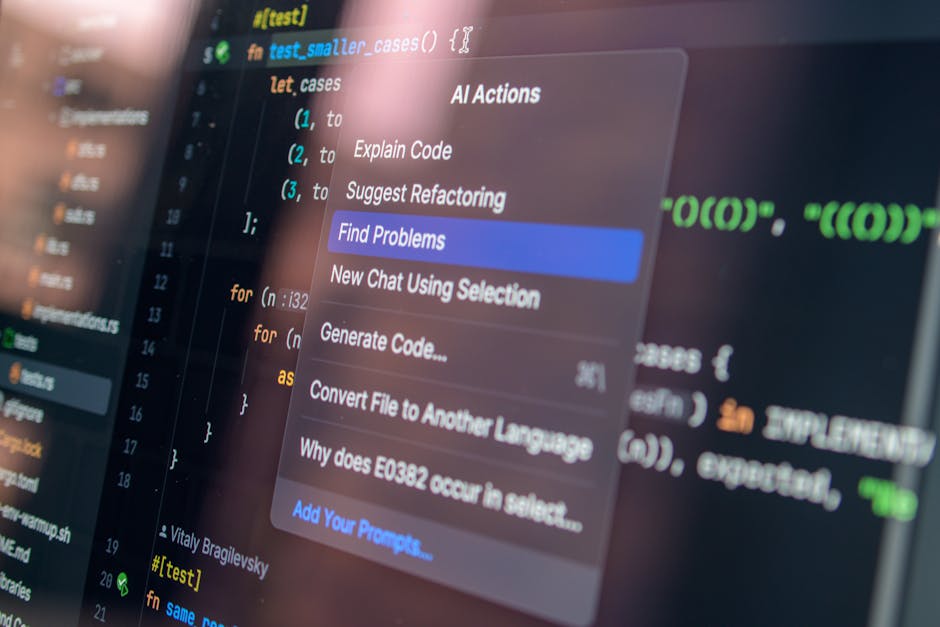
The Wanchain hack was not a brute-force attack but a sophisticated exploitation of a logical flaw. The bridge’s smart contract, which facilitates asset transfers between the Wanchain and Cardano blockchains, contained a critical vulnerability in its signature verification mechanism.
The exploit worked as follows: The attacker was able to reuse a valid cryptographic signature from a previous, legitimate transaction. The bridge’s code failed to implement a standard security measure—checking that each signature is unique and tied to a specific, one-time use. This allowed the hacker to re-submit the same signature to mint new NIGHT tokens on Wanchain repeatedly, without corresponding assets locked on the Cardano side. In a single transaction, the attacker minted and drained 515 million NIGHT tokens, worth approximately $13 million at the time, causing the token’s price to plummet by 30%.
Wanchain’s official response confirmed the bridge contract was compromised, not the broader Midnight Network or its core protocol. The team disabled the bridge and initiated an investigation. This type of vulnerability is a classic example of a flaw that might slip past an AI code generator focused on functional correctness but lacking the deep, contextual understanding of blockchain-specific security paradigms.
Why This Hack is a Warning for AI Content & Development Workflows

For professionals using AI for content creation, SaaS development, or blogging automation, the Wanchain incident translates into a clear warning about the limits of automation.
- The “Functional vs. Secure” Gap: AI tools like GitHub Copilot, ChatGPT for code, or specialized smart contract generators excel at producing functionally working code based on prompts. However, they often lack the adversarial mindset needed to anticipate edge cases and malicious exploits. An AI might generate a bridge contract that “works” but omit critical checks for signature replay attacks, as seen here.
- Audit Dependency Amplified: If you use AI to generate any form of public-facing code—whether a WordPress plugin, an API integration, or a financial script—the need for a professional audit by a human expert becomes exponentially more critical. The AI is a powerful first draft assistant, not a final security auditor.
- Reputational Risk for AI-Driven Brands: For bloggers and news sites covering AI tools that generate code, this event provides crucial context. Promoting tools without emphasizing the imperative of human review and security testing is irresponsible. Your content strategy must balance showcasing AI’s power with highlighting its practical and ethical limitations.
The market reaction—a 30% token crash—demonstrates that the cost of flawed automation extends far beyond bug fixes. It erodes user trust and destroys asset value, a lesson applicable to any software-driven product.
Practical Security Protocols for AI-Assisted Development

Integrating AI into your development or technical content workflow requires a fortified process to mitigate risks. Here are actionable steps based on the lessons from the Wanchain exploit:
- Implement a Mandatory Human Review Gate: Establish a rule that no AI-generated code moves to a staging or production environment without line-by-line review by a senior developer specializing in the relevant domain (e.g., blockchain security, web app security). Use tools like EasyAuthor.ai’s workflow rules to mandate this step in your content and development pipelines.
- Integrate Specialized Security Scanners: For smart contracts, run AI-generated code through static analysis tools like Slither, Mythril, or CertiK’s Skynet. For web applications, use SAST (Static Application Security Testing) tools like Snyk Code or SonarQube. Treat these scanner results as non-negotiable pre-commit checks.
- Adopt a Multi-Model Verification Approach: Do not rely on a single AI. Prompt multiple models (e.g., ChatGPT-4, Claude 3, Gemini Advanced) to generate solutions for the same function. Compare the outputs. Discrepancies often reveal edge cases or potential flaws. For critical functions, write unit tests and fuzzing tests (using frameworks like Foundry for Solidity) before the code is finalized.
- Document the AI’s Role and Audit Trail: Maintain clear documentation noting which code segments were AI-generated, the prompts used, and the results of human and automated reviews. This creates accountability and a learning corpus for improving future prompts and safeguards.
For content creators, your practical takeaway is to develop and promote tutorials that include these security steps. A guide on “Building a Smart Contract with AI” must have a major section dedicated to “Securing and Auditing Your AI-Generated Code.”
The Future: Building Trust in the Age of AI Automation

The Wanchain bridge hack of July 2026 is a pivotal moment. It moves the conversation about AI-generated code from theoretical debate to a concrete, costly example of what can go wrong. The future of effective and trustworthy AI content creation and development lies in hybrid intelligence.
Successful teams will use AI as a force multiplier for ideation, drafting, and boilerplate generation while reserving human expertise for strategic oversight, critical thinking, and security validation. The tools themselves will evolve, with platforms like EasyAuthor.ai potentially integrating more robust compliance checks and audit prompts directly into the content generation workflow.
For the AI content strategist, your role is to educate your audience on this balanced approach. Report on hacks not just as news, but as critical learning opportunities. Analyze them through the lens of workflow and tooling improvement. By framing AI as a powerful but imperfect partner that requires a rigorous human-led framework, you build credibility and provide immense practical value to developers and creators navigating this new landscape.
The lesson is clear: Automation accelerates creation, but only human vigilance ensures security and integrity. Your content strategy must champion both.