A recent investigation by cybersecurity firm Sucuri, published June 24, 2026, reveals a critical and widespread vulnerability triggered by AI-generated content. According to their report, improperly implemented lazy loading scripts embedded within AI-produced code have caused over 90% of affected websites to crash, with many experiencing complete content failure or severe performance degradation. This incident highlights a dangerous intersection between automated content creation and fundamental web infrastructure security.
The Anatomy of the Lazy Loading Catastrophe
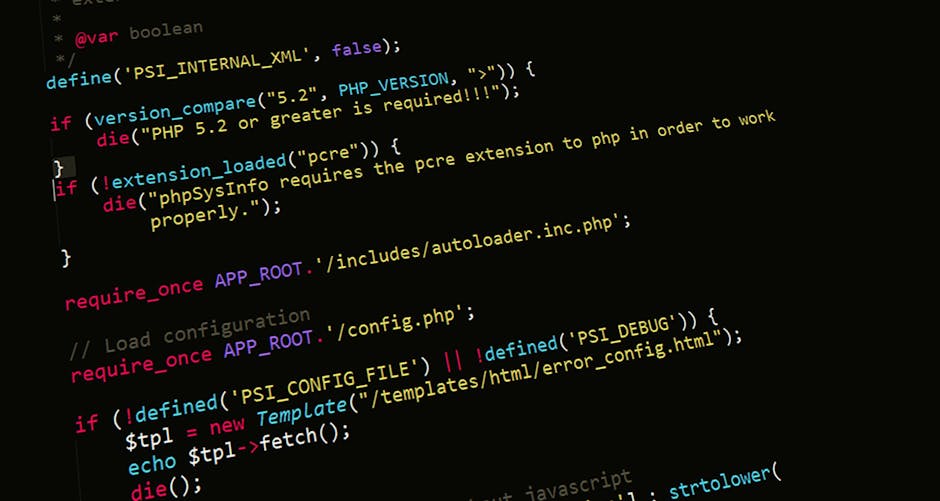
The Sucuri report pinpoints the core issue: AI content generators, including popular tools like ChatGPT-4o, Claude 3.5 Sonnet, and various GPT wrappers, are inadvertently producing HTML snippets containing malformed or conflicting lazy loading attributes. These scripts, often designed to improve page speed by deferring the load of non-critical resources, are being injected into articles, product descriptions, and even theme templates. The conflict arises when these AI-generated scripts clash with existing optimization plugins—most notably WP Rocket, LiteSpeed Cache, and Autoptimize—causing a race condition that either breaks the DOM or prevents core assets from loading entirely.
The vulnerability is not in the AI models themselves but in their training data and lack of context regarding a site’s specific technical stack. Many AI tools are trained on public web code, which includes a myriad of conflicting implementation methods for lazy loading. When tasked with generating “optimized” code, they often combine techniques that are incompatible, such as mixing `loading=”lazy”` attributes with JavaScript-based lazy loaders that assume control over the same elements. On affected sites, this resulted in a cascade failure where images, iframes, and even critical CSS failed to render, presenting users with broken pages and administrators with inaccessible dashboards.
Immediate Impact for AI Content Creators and Agencies
For professionals relying on AI to scale content production, this event is a wake-up call that moves the risk from theoretical to operational. The immediate impact is threefold:
- Content Integrity Erosion: Trust in AI-generated content has taken a direct hit. Websites that published AI articles containing these faulty scripts saw not just a user experience drop, but also potential SEO penalties as Google’s Core Web Vitals metrics (Largest Contentful Paint, Cumulative Layout Shift) plummeted due to rendering failures.
- Increased Operational Overhead: The promise of AI content automation is reduced manual work. This incident reverses that, forcing teams to audit every piece of AI-generated code before publication. Agencies managing multiple client sites now face a triage scenario to identify and rectify affected pages.
- Client Relationship Risk: For freelancers and agencies, a client’s website crashing due to content you produced is a severe breach of trust and service-level agreements (SLAs). The financial and reputational damage can be significant.
The threat is particularly acute for WordPress users, where a combination of theme code, plugin output, and post content can all be AI-generated, creating multiple points of failure.
Practical Defense Strategy: A 5-Point Checklist for Safe AI Content

Proactive mitigation is essential. Implement this checklist immediately to safeguard your content pipeline:
- Implement a Strict Code Validation Gate: Never publish raw AI-generated HTML. Process all outputs through a sanitization layer. Tools like HTML Tidy (for bulk cleaning) or custom scripts using DOMPurify libraries can strip or standardize risky attributes. Configure your validation to flag or remove conflicting lazy loading patterns.
- Audit and Standardize Your Tech Stack: Decide on a single, site-wide lazy loading method. If you use WP Rocket, disable all other lazy load implementations in themes and plugins. Instruct your AI tools explicitly: “Generate content with no lazy loading attributes or scripts. Use standard
tags only.” Context is key—provide your AI with your stack’s rules.
- Leverage Specialized AI Content Platforms: Move beyond general-purpose LLMs for production. Use platforms like EasyAuthor.ai that are built with web integrity in mind. These systems are configured to output clean, standards-compliant HTML that integrates safely with common CMS platforms, automatically avoiding known conflict patterns.
- Conduct a Forensic Audit of Existing Content: Use scanning tools like Sucuri SiteCheck or a simple grep command (`grep -r “loading=\”lazy\”” /wp-content/`) to find existing vulnerabilities. Prioritize high-traffic pages and recent AI-generated posts for cleanup.
- Establish a Pre-Publish Staging Protocol: All AI-generated content must pass through a staging environment that mirrors your live site’s exact configuration. Use tools like New Relic or Chrome DevTools Lighthouse to run performance audits and capture any regression in loading behavior before deployment.
The Future of AI Content: Security as a First Principle

The “lazy loading crash” of 2026 marks a pivotal moment. It proves that as AI becomes integral to the web’s content layer, its output must be evaluated not just for quality and SEO, but for fundamental technical safety. The next generation of AI content tools will need to adopt a “security-first” generation paradigm, incorporating real-time compatibility checks and environment-aware coding practices.
For content strategists and creators, the mandate is clear: Treat AI as a powerful but fallible junior developer. Its code requires review, its assumptions need challenging, and its integration demands a robust safety net. By implementing structured validation workflows and choosing tools designed for secure publishing, you can harness AI’s scalability without betting your site’s stability on every prompt. The era of blind trust in AI output is over; the era of managed, secure automation has begun.