Source: Blockonomi. Nasdaq announced on June 12, 2026, that Rocket Lab USA (RKLB) and four other technology firms will join the Nasdaq 100 index on June 22. Concurrently, SpaceX filed for a historic $75 billion IPO, potentially triggering a fast-tracked inclusion under Nasdaq’s newly revised eligibility rules. This convergence of a major financial event and updated index protocols presents a critical case study for AI content creators: the need for rapid, authoritative, and data-driven content production to capture high-value, time-sensitive news cycles.
The Nasdaq 100 Rebalance & SpaceX IPO: A Breakdown of the Events

The Nasdaq 100, a benchmark index of the 100 largest non-financial companies listed on the Nasdaq stock exchange, undergoes periodic rebalancing. The June 2026 rebalance is notable for its inclusion of high-growth, innovation-focused companies. Rocket Lab (RKLB), a leader in small satellite launch and space systems, joins alongside four other tech firms, reflecting the index’s continued tilt towards aerospace, semiconductor, and advanced technology sectors.
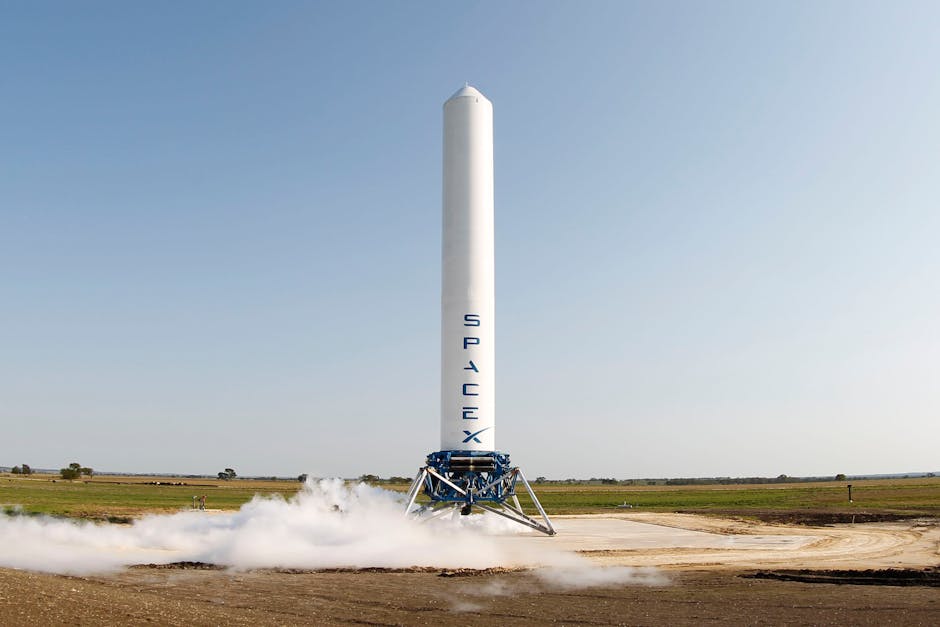
The simultaneous filing by SpaceX for an initial public offering (IPO) valued at approximately $75 billion represents one of the largest private-to-public market transitions in history. Historically, a company must be publicly traded for a minimum period and meet specific market capitalization and liquidity requirements before being considered for index inclusion. However, Nasdaq’s updated rules, designed to accommodate ‘mega-cap’ IPOs, include provisions for accelerated review. This could allow a company like SpaceX, given its monumental valuation and immediate market impact, to bypass traditional waiting periods.
The practical implication is a compressed news timeline. The announcement (June 12), the rebalance effective date (June 22), and the ongoing SpaceX IPO process create a multi-week window of intense media coverage, analyst speculation, and investor education. For content creators, this period represents a peak audience demand for explanatory, analytical, and forward-looking material.
Why This News Cycle Matters for AI-Driven Content Operations
Financial and technology news cycles like this one are characterized by three factors that directly impact content strategy: velocity, complexity, and competitive saturation.
Velocity: The news broke on June 12, with a concrete follow-up event (the index change) occurring just ten days later on June 22. The SpaceX IPO process will generate new disclosures and milestones continuously. AI content systems must be configured to respond within hours, not days, to maintain relevance.
Complexity: The story intertwines corporate finance (IPO mechanics), market structure (index rules), sector analysis (aerospace tech), and regulatory nuance. Manual research and writing for such a topic is time-intensive. AI tools equipped with financial data plugins and structured prompt workflows can deconstruct these layers efficiently, producing clear explanations, comparative analyses (e.g., RKLB vs. legacy aerospace firms), and implications for related sectors.
Competitive Saturation: Major outlets like Bloomberg, CNBC, and The Wall Street Journal will cover the event extensively. AI-augmented content must differentiate through depth, specific data angles (e.g., analyzing the revised Nasdaq rule text), or unique framing (e.g., “How the SpaceX IPO Could Redefine ‘Tech’ in Market Indices”). Automation allows smaller publishers or niche blogs to compete by producing a higher volume of derivative content—interview summaries, analyst reaction roundups, historical IPO comparisons—that larger outlets may overlook.
This event underscores a broader trend: high-impact news now arrives with embedded data sets (stock prices, index weights, filing documents) and operates on a schedule. AI content workflows that can ingest this structured data and schedule output around known future dates (like June 22) gain a significant advantage.
Practical Tips for AI Content Creators Covering Fast-Moving Financial News

To leverage events like the Nasdaq rebalance and SpaceX IPO, AI content creators should adopt the following tactical approaches:
1. Implement a Real-Time News Monitoring and Trigger System: Use tools like Google Alerts, RSS feeds from Nasdaq news releases, or dedicated financial news APIs (e.g., Bloomberg, Reuters) configured to flag keywords such “Nasdaq 100”, “IPO filing”, “Rocket Lab”, and “SpaceX”. Set up automation in your content platform (like WordPress with EasyAuthor.ai hooks) to generate a base draft article or research brief immediately upon a trigger alert.
2. Structure Your AI Prompts for Financial Analysis: When using LLMs (ChatGPT, Claude, Gemini) or specialized AI writing tools, move beyond generic prompts. Use prompts that demand specific outputs:
- “Compare the market capitalization of SpaceX’s proposed $75B IPO to the top 5 current Nasdaq 100 components. Output as a table.”
- “Explain Nasdaq’s revised eligibility rules for ‘mega-cap’ IPOs in plain English, listing the three key criteria.”
- “Generate five potential article angles on the Rocket Lab (RKLB) inclusion, focusing on implications for the small satellite launch sector.”
This ensures your AI output is analytical and data-rich, not just descriptive.
3. Pre-Schedule Content Around Known Future Dates:
The Nasdaq 100 change is effective June 22. Create and schedule content to publish on that morning:
- A “What to Watch” post detailing the new index components.
- An analysis of likely trading volume impacts.
- A comparison piece between the incoming and outgoing companies.
Use your AI system to generate these pieces in advance, using the known facts, and schedule them via your CMS’s publishing scheduler. This captures search traffic the moment the event occurs.
4. Combine AI Generation with Human Expert Curation: For complex financial topics, pure AI text may lack nuanced insight or carry risk of misinterpretation. Establish a workflow where AI produces the first draft, data summaries, and potential angles, but a human editor with financial knowledge verifies numbers, adds expert commentary, and inserts necessary disclosures (e.g., “This is not investment advice”). This hybrid model ensures speed without sacrificing credibility.
5. Optimize for SEO with Immediate Keyword Targeting: Identify the emerging search terms. Following the June 12 announcement, terms like “Nasdaq 100 new companies June 2026”, “SpaceX IPO date”, “RKLB Nasdaq 100 impact” will surge. Use AI SEO tools (like Frase, SurferSEO) or keyword research plugins to quickly generate these lists and instruct your AI writer to incorporate them naturally into headlines, subheadings, and meta descriptions. Publishing authoritative content early can capture these high-value, transient keyword rankings.
Forward-Looking Summary: AI Content Strategy in a Data-Driven News Era

The simultaneous Nasdaq 100 rebalance and SpaceX IPO filing is not an isolated event. It exemplifies the modern news cycle: structured, data-heavy, and bound by official calendars. For AI content creators, this environment is ideal for automation. The key is building systems that detect triggers, process structured data (financial figures, regulatory rules), generate multi-format content (articles, tables, FAQs), and publish on strategic schedules.
Moving forward, content operations that integrate AI for rapid initial response, human expertise for depth and verification, and SEO automation for keyword targeting will dominate coverage of fast-moving sectors like finance, tech, and aerospace. The June 2026 Nasdaq events provide a blueprint: the opportunity exists not just to report the news, but to own the explanatory and analytical narrative around it through scalable, intelligent content production.
