According to a report published by Blockonomi on May 28, 2026, Earth-imaging satellite company Planet Labs (NYSE: PL) is set to release its Q1 2027 fiscal earnings after market close on June 4, 2026. The report, citing data from Benzinga and options market activity, notes that the market anticipates significant volatility, with options pricing suggesting a potential 10% stock move post-earnings. Analyst consensus forecasts a loss per share of $0.03 on revenue of $90 million, with an average price target of $30.61. For AI content creators and financial bloggers, this news cycle presents a perfect real-time case study in leveraging AI tools to produce timely, data-driven, and SEO-optimized analysis that capitalizes on high-search-volume events.
The Anatomy of a High-Impact Earnings Preview

The original article on Blockonomi follows a classic, effective financial news blueprint: announce a near-term catalyst, provide concrete market expectations, and frame a compelling question for the reader. The key data points are front-loaded: the date (June 4, 2026), the implied volatility (10% move), and the analyst estimates (-$0.03 EPS, $90M revenue). This structure is inherently SEO-friendly, targeting queries like “PL stock earnings June 2026,” “Planet Labs Q1 2027 forecast,” and “should I buy PL before earnings.”
For an AI content strategist, the underlying process is instructive. The author likely aggregated data from financial terminals (like Bloomberg or Benzinga), options pricing platforms, and analyst consensus reports from firms like Zacks Investment Research or Yahoo Finance. This synthesis of disparate data sources into a concise, actionable narrative is a prime use case for AI augmentation. Tools like ChatGPT with Advanced Data Analysis or specialized financial LLMs can parse SEC filings, summarize analyst notes, and calculate key metrics, but the human (or strategically prompted AI) must weave the narrative hook—”Should you buy?”—around the hard numbers.
The timing is also critical. Publishing an earnings preview 5-7 days before the event captures the rising search interest as investors and traders begin their research. It positions the content to be indexed and ranked by Google just as query volume peaks. An AI-driven workflow can automate monitoring earnings calendars (from sites like Earnings Whispers) and trigger content brief generation the moment a date is confirmed for a tracked company.
What This Means for AI Content Creators in Finance & Niche Markets
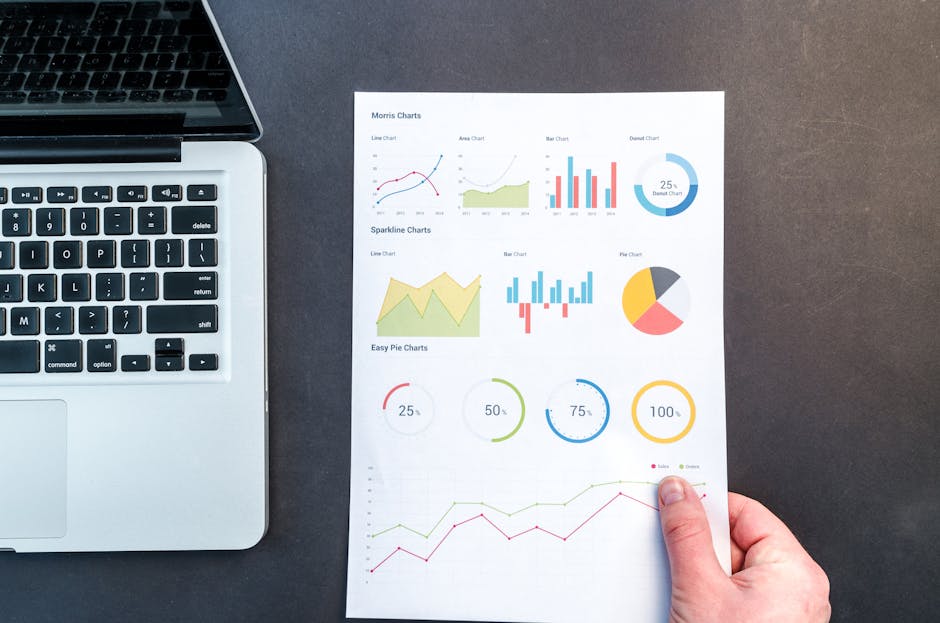
The Planet Labs preview underscores a massive opportunity for AI-powered content farms and independent creators specializing in verticals like finance, tech, or commodities. Earnings seasons, product launches, and regulatory announcements create predictable surges in demand for explanatory and analytical content. AI can dominate this space by executing at speed, scale, and consistency that human-only teams cannot match.
First, it demonstrates the necessity of data integration. Successful AI content isn’t just well-written; it’s accurately quantified. An AI system tasked with producing financial previews needs live access to or scheduled pulls from financial APIs (e.g., Alpha Vantage, Polygon.io, Finnhub) to populate templates with correct EPS, revenue, and guidance figures. A mistake in a decimal point or a dollar amount destroys credibility instantly.
Second, it highlights the competitive keyword landscape. A term like “Planet Labs earnings” is highly contested. To compete, AI-generated content must offer superior depth, such as including historical beat/miss rates, CEO commentary trends from past calls, or comparisons to sector peers like BlackSky (BKSY). Using AI to perform this comparative analysis and present it in easy-to-scan tables or bullet points adds tangible value beyond the basic consensus numbers.
Finally, this is a model for localized and scalable content. The same template used for Planet Labs can be applied to hundreds of other companies reporting earnings that week. With AI, you can produce 50 earnings previews with 80% automated content, requiring human or AI editor review only for final nuance and ticker-specific context. This scalability is the core business advantage of AI content creation.
Practical Tips for Automating Earnings & Event-Driven Content

Building a semi-automated pipeline for content like the Planet Labs preview is achievable. Here is a practical, tool-agnostic workflow for AI content creators and WordPress publishers:
- Data Aggregation & Alerting: Use a tool like Make (Integromat) or Zapier to monitor an earnings calendar RSS feed or API. Set a trigger to fire when a company in your watchlist (e.g., all S&P 500 tech stocks) announces its reporting date. The trigger creates a new draft post in your WordPress CMS with a pre-defined template.
- AI Brief Generation: Connect that draft to an AI agent via the OpenAI API or a platform like EasyAuthor.ai. The agent should be prompted to:
- Fetch the latest analyst consensus estimates from a specified source.
- Pull the stock’s recent price action and options volatility data.
- Research and summarize one or two key themes for the upcoming call (e.g., for Planet Labs: “demand for geospatial data in AI model training” or “competition from government satellite programs”).
- Output a structured first draft with H2s, data tables, and a concluding analysis.
- Human-in-the-Loop Review & Optimization: An editor or a secondary AI review layer checks the draft for accuracy, inserts necessary disclaimers (e.g., “This is not financial advice”), and optimizes for SEO. This includes:
- Ensuring the primary keyword is in the title, first paragraph, and a H2.
- Adding latent semantic indexing (LSI) keywords like “quarterly results,” “share price,” “revenue guidance,” “investment thesis.”
- Formatting numbers for clarity and adding relevant internal links to past articles on the company or sector.
- Scheduling & Distribution: Schedule the post to publish 5-7 days before the earnings date. Use a social media automation tool (like Publer or Buffer) to create promotional threads highlighting the key data points and the “should you buy” question to drive engagement.
Recommended Tech Stack: WordPress with Advanced Custom Fields for structured data, EasyAuthor.ai or Jasper for AI drafting, Alphavantage API for financial data, and RankMath SEO plugin for on-page optimization.
Beyond the Preview: Building a Full AI Content Funnel
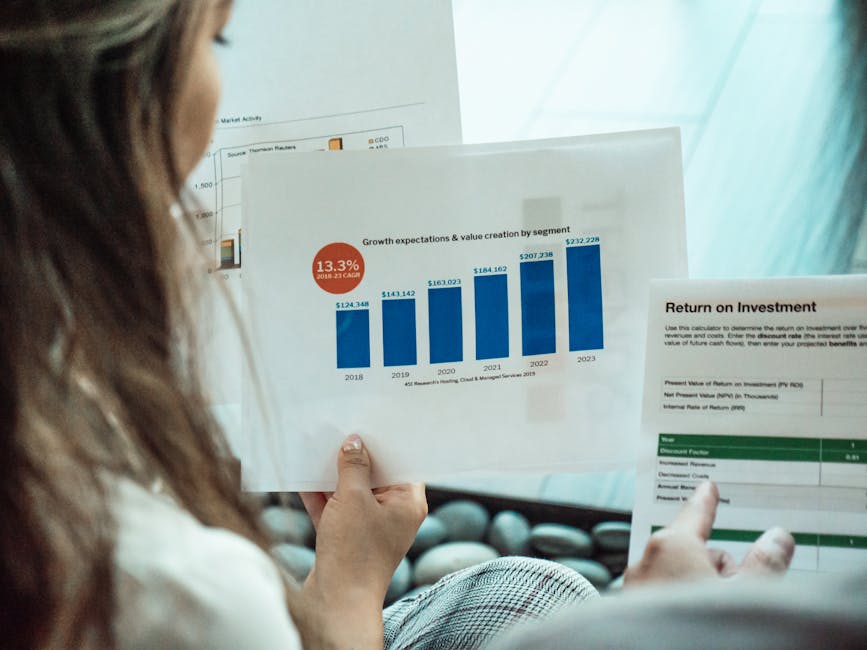
The earnings preview is just the first touchpoint. A sophisticated AI content strategy builds a funnel around the event. Consider this automated sequence:
- Day -7: Publish the “Preview” article (modeled on the Blockonomi piece).
- Day 0 (Post-Release): Automatically generate a “Planet Labs Q1 2027 Earnings Results” article the minute the press release hits the wire. AI can parse the headline numbers vs. estimates and produce an immediate update.
- Day +1: Publish an “Earnings Call Transcript Summary” using AI to digest the 10,000-word transcript, extract key quotes from the CEO and CFO, and list the most important Q&A.
- Day +3: Create a “Technical Analysis Update” post, using AI to interpret new chart patterns and trading volume data following the earnings reaction.
This approach transforms a single news event into a content series, maximizing dwell time, page views, and domain authority on the topic. Each piece targets a slightly different keyword cluster, capturing traffic from readers at various stages of the investment research process.
The Blockonomi article on Planet Labs is more than a simple stock tip; it’s a blueprint for the future of agile, data-informed content creation. For AI content strategists, the lesson is clear: the highest-value automation lies in identifying repetitive, data-intensive content structures—like earnings previews, product comparisons, or statistical roundups—and building systematic workflows to produce them with unprecedented speed and depth. The companies and creators who master this synthesis of real-time data, AI-powered writing, and strategic SEO will dominate topical authority in their niches. The next earnings season is your testing ground.