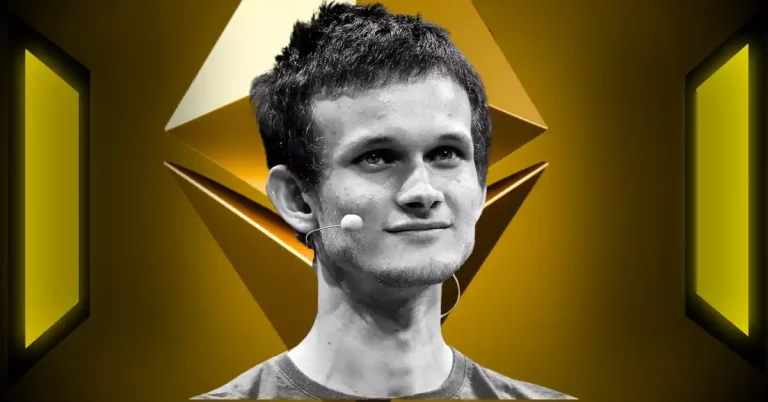
Ethereum co-founder Vitalik Buterin has sparked thought-provoking discussions in the blockchain community with his critique of the current Layer-2 ecosystem. In a series of posts shared on X, Buterin emphasized the need for developers to move beyond established conventions in blockchain infrastructure, describing them as limiting and repetitive.
Breaking Free from Repetitive Blockchain Designs
Buterin specifically addressed the widespread practice of creating standard EVM-compatible chains that rely on optimistic bridges. This approach often results in week-long delays for transactions connecting to Ethereum. Comparing this trend to the excessive forking seen in decentralized governance systems, Buterin argued that it hinders innovation across the ecosystem.
According to Buterin, developers have become too reliant on familiar designs, which has in turn stifled creativity. He was particularly critical of building alternative Layer-1 blockchains without bridging capabilities to Ethereum, calling this trajectory even more detrimental. “The space does not need more copycat EVM chains or additional Layer-1 networks designed to bypass integration,” he wrote.
Scaling Ethereum for the Future
Buterin highlighted the progress Ethereum has made in scaling its base layer, which he believes will offer sufficient block space for many applications. However, he acknowledged that emerging use cases such as AI applications might demand more significant capacity and reduced latency. This, he suggested, presents an opportunity for truly novel systems to be developed within the Ethereum ecosystem.
He also emphasized that developers should focus on cutting-edge solutions such as privacy-preserving technologies, application-specific optimizations, and ultra-low latency systems. These innovations, he said, are essential for advancing Ethereum’s role as a central player in blockchain technologies.
Aligning Public Messaging with Technical Innovation
Another critical point raised by Buterin was the mismatch between public messaging and actual technical integration in many blockchain projects. He criticized projects that emphasize surface-level compatibility with Ethereum for better ratings from tracking platforms, rather than focusing on deep, meaningful integration with Ethereum’s mainnet.
Buterin proposed that application chains should adopt a design where deep connection to Ethereum’s base layer is a core feature rather than an afterthought. By doing so, applications can ensure maximum interoperability, composability, and technical reliability while maintaining a focus on innovation.
The Path Forward for Ethereum Developers
Buterin’s vision for the ecosystem also includes clarifying Ethereum’s role in decentralized and institutional applications. While institutional systems like government registries may not qualify as fully Ethereum-native, they could still enhance algorithmic transparency without falsely claiming integration. Transparent communication about these relationships is key to ensuring ecosystem integrity.
Buterin concluded with two guiding principles for developers and projects: bring something genuinely new to the ecosystem and ensure your public messaging matches the technical reality of your project. This alignment will strengthen Ethereum’s position as a leading platform for innovation in the blockchain space.
Recommended Resource
If you are a developer or enthusiast interested in Ethereum’s potential, consider exploring Ledger’s Ethereum Wallet. Designed for secure storage and user-friendly transactions, it’s an excellent tool for navigating the evolving Ethereum ecosystem.