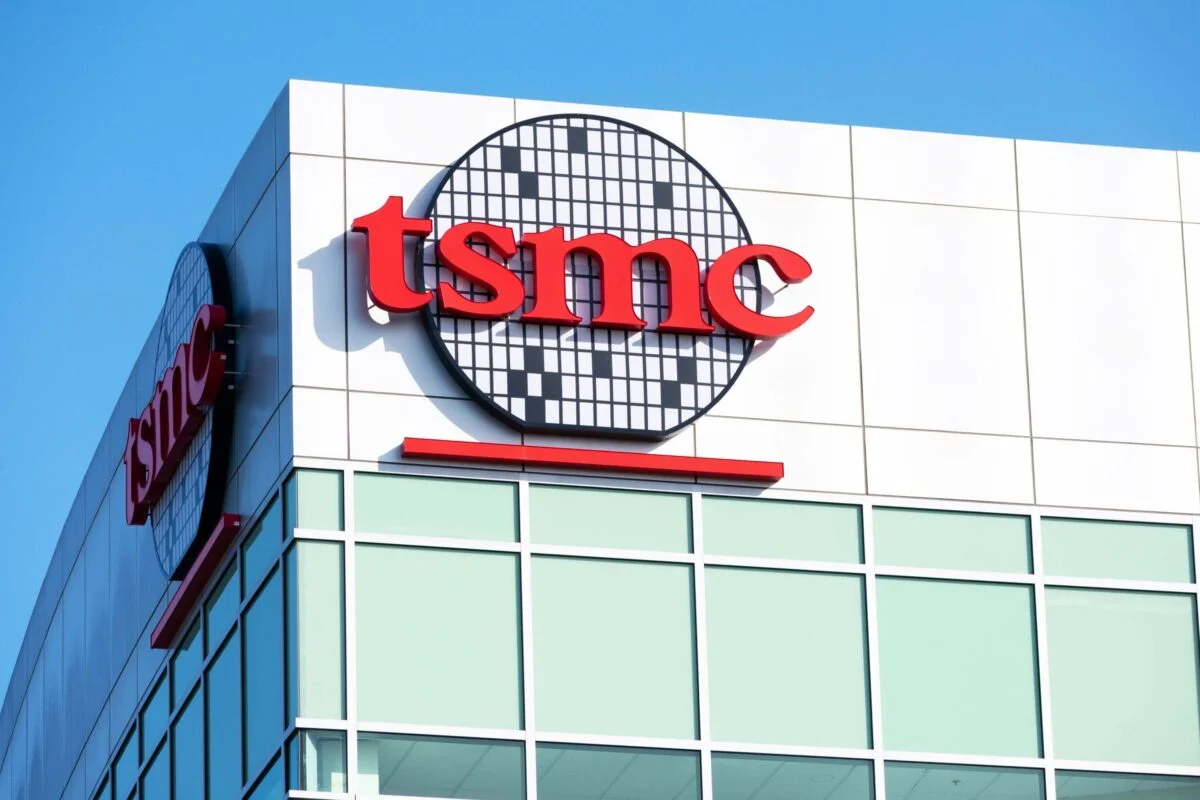
Taiwan Semiconductor Manufacturing Company Limited (TSMC) is making waves in the tech world with its bold $17 billion investment to manufacture advanced 3-nanometer chips at its Kumamoto, Japan facility. This strategic move not only marks TSMC’s first advanced chip production plant outside Taiwan and the U.S. but also underscores Japan’s growing significance in the global semiconductor supply chain.
Strategic Production Diversification
TSMC initially planned to produce older 6nm to 12nm chips in the Japanese facility. However, in a surprising shift, the company announced during a meeting between TSMC Chairman C.C. Wei and Japanese Prime Minister Sanae Takaichi that its Kumamoto site would now produce cutting-edge 3nm chips. This change reflects growing demand for these chips, which are vital for AI systems, premium smartphones, and autonomous vehicles.
The Japanese government’s subsidies and partnerships played a critical role in attracting TSMC. This diversification reflects the broader strategy of reducing dependency on a single geographic location and addressing global supply chain concerns. Notably, TSMC recently committed $165 billion toward U.S. manufacturing operations and now adds Japan to its portfolio of advanced chip manufacturing hubs. These efforts align with global trends of spreading semiconductor production across multiple regions to ensure supply chain resilience.
Record-Breaking Capital Expenditures
The $17 billion investment is a significant escalation from the original $12.2 billion plan. More impressive is TSMC’s 2026 capital spending forecast, which rises to $56 billion—a staggering 30% year-over-year increase. This surge in spending is driven largely by the increasing demand for AI-focused semiconductors, a key growth area for the company. Executives expect these elevated capital expenditures to continue over the next three years.
One of TSMC’s flagship clients, Nvidia, relies on its chips as a foundation for advanced AI systems. Other major clients include Apple, which utilizes TSMC processors for its premium iPhone lineup, and companies like Qualcomm and AMD, which depend on TSMC to produce their cutting-edge processors.
Competition and Challenges
TSMC’s expansion in Japan comes as it faces emerging competition from Rapidus, a Japanese government-backed semiconductor manufacturer. Rapidus plans to produce 2nm technology chips by 2027, potentially challenging TSMC’s dominance in the industry. The Japanese government’s goal to rebuild a robust domestic chip manufacturing industry further underscores the high-stakes nature of this sector’s innovations.
Why This Matters
The development of 3nm chip production at TSMC’s Kumamoto facility signals innovation at the forefront of semiconductor technology. As advanced chips become the backbone of AI, smartphones, and autonomous vehicles, the expansion into Japan highlights the company’s commitment to serving its clients’ growing needs and mitigating supply chain risks. This move positions Japan as a critical player in the global semiconductor race.
Recommended Product for Tech Enthusiasts
For those intrigued by cutting-edge technology and looking to experience the power of advanced 3nm chips, the Apple iPhone 15 Pro is a must-have. Integrating TSMC’s 3nm manufacturing process, this device offers unparalleled performance, efficiency, and AI capabilities that redefine the smartphone experience.