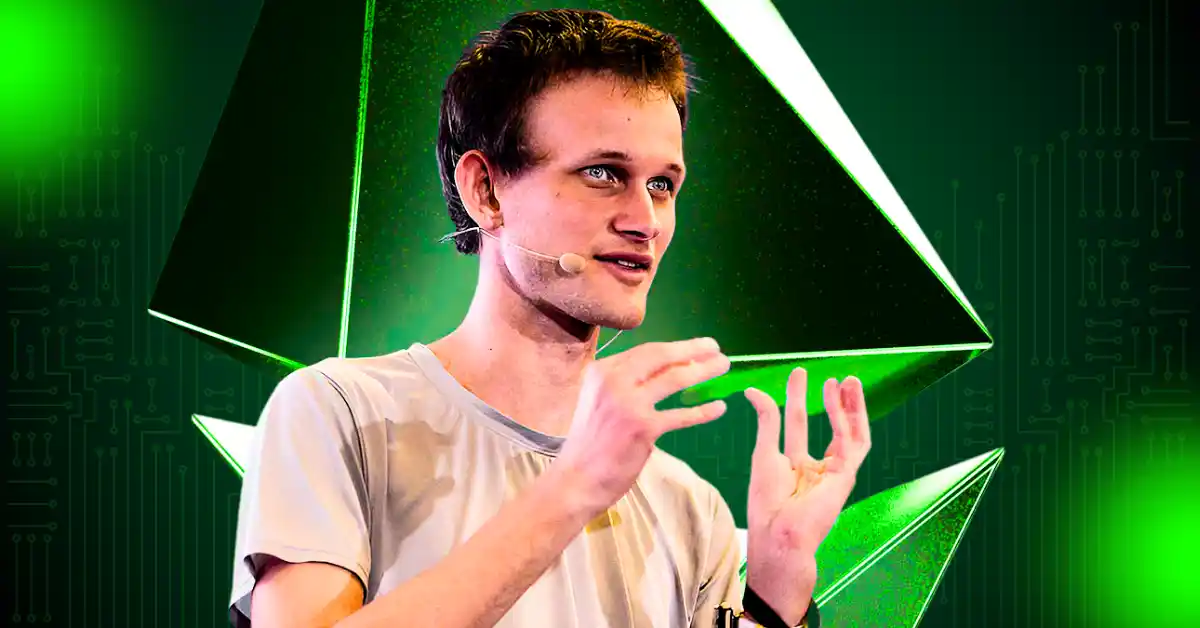
The Ethereum blockchain ecosystem is abuzz following insightful remarks by co-founder Vitalik Buterin. In his latest critique of Ethereum’s Layer 2 (L2) scaling projects, Buterin emphasized the need for genuine innovation. He argued that many L2s are stuck recycling old ideas and failing to adapt to the rapidly evolving landscape of blockchain technology.
Ethereum L1 Scaling: Rendering L2s Obsolete?
Ethereum has long relied on Layer 2 scaling solutions to handle growing user demands and transaction volumes. But as Ethereum’s Layer 1 (L1) scales with planned gas limit increases in store for 2026, the original role of L2s is quickly being called into question. Buterin highlighted the redundancy of many L2 projects, noting the over-abundance of generic EVM (Ethereum Virtual Machine) chains and lack of forward-thinking strategies.
“We don’t need more copypasta EVM chains, and definitely not more L1s,” Buterin stated, signaling frustration with the stagnation in blockchain innovation. He called for projects to focus on improvements in areas like privacy, app-specific efficiency, ultra-low latency, and integration with emerging tech sectors such as AI-driven platforms and digital identity systems.
L2 Security: A Need for Progress
Another key concern Buterin outlined is the slow progress towards Stage 2 security for L2s. As Ethereum L1 scales on its own, the central role of L2s in improving scalability is gradually being diminished. He called for a major pivot in the L2 space to address these issues effectively.
Buterin’s vision for the future includes implementing a native rollup precompile — a protocol-level tool that verifies ZK-EVM proofs and ensures secure, trustless connections to Ethereum. Such upgrades could provide legitimate L2s with the technological edge they need to stay relevant.
Redefining the L2-Ethereum Relationship
Buterin also criticized many L2 projects for their branding choices, calling for greater transparency in how these projects present their connection to Ethereum. He insists that if an L2 has minimal technical dependence on Ethereum, it should not market itself as an “Ethereum Layer 2.”
“The degree of connection reflected in public branding needs to match the actual degree of connection to Ethereum,” he emphasized.
What Does This Mean for Developers?
For developers and teams looking to innovate in the blockchain space, Buterin’s comments serve as a call to action. Moving beyond standard formulas and embracing cutting-edge solutions can carve a niche in areas like social platforms, AI integration, and more. With Ethereum L1 rapidly scaling, the survival of L2s hinges on their ability to offer something L1 cannot.
Want to Stay Updated on Blockchain Innovations?
For blockchain professionals and enthusiasts, staying ahead means being equipped with the best tools and platforms. Ledger Nano X, a top-rated hardware wallet, is an essential product to securely store your cryptocurrency while you explore the ever-evolving crypto landscape. Safe, efficient, and modern — it’s trusted by millions globally.


