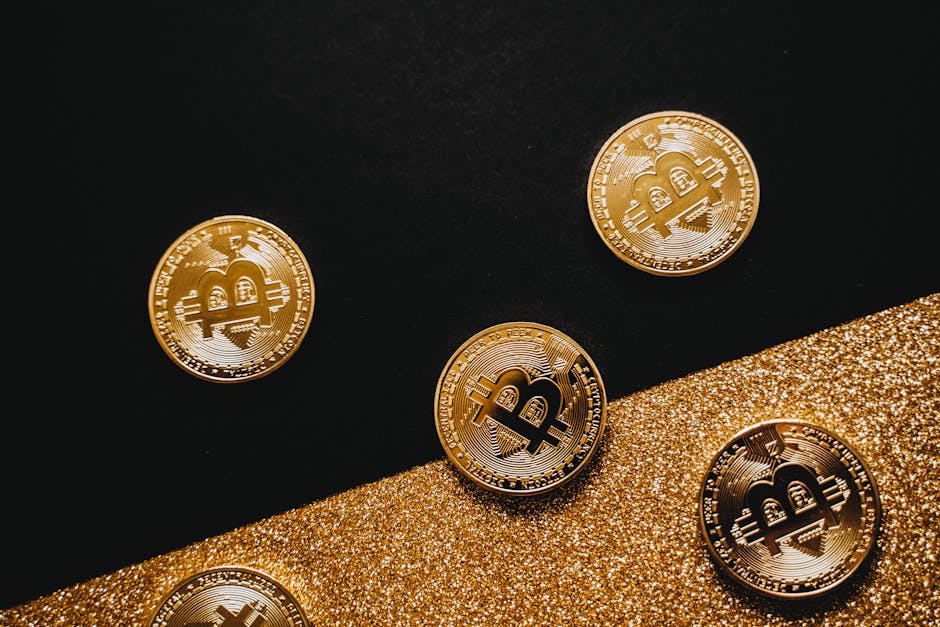
Introduction: Imagining Bitcoin in 2026
Let’s take a moment to picture it: the year is 2026, and Bitcoin is over 17 years old. Remember when Bitcoin was just the wild invention of someone named Satoshi Nakamoto, and you could buy a pizza for 10,000 BTC? Well, those days are definitely behind us! In this article, we’ll explore what Bitcoin in 2026 might look like—from price predictions and regulatory shifts to mass adoption and the latest in tech innovation. Whether you’re a lifelong HODLer or just crypto-curious, there’s something here for everyone who wants a glimpse into the not-so-distant future of digital gold.
Where Could the Price of Bitcoin Be in 2026?
Price Predictions: Bullish and Bearish Scenarios
Let’s get the big question out of the way: how much will Bitcoin be worth in 2026? Price forecasting is notoriously tricky, and if anyone tells you they know for sure… well, don’t buy their course! Still, major firms have weighed in. In late 2023, Standard Chartered’s analysts predicted $120,000 by the end of 2024, with some suggesting $200,000 or more by 2026 if institutional adoption accelerates. On the flip side, some skeptics believe macroeconomic factors or regulatory crackdowns could keep Bitcoin between $40,000 and $80,000.
What Drives the Price?
Supply and demand will always be at the heart of Bitcoin’s value. By 2026, another halving event (slated for 2024) will have taken place, reducing the block reward and tightening supply. Institutional investment, increasing mainstream adoption, and developments like Bitcoin ETFs may push demand. At the same time, global economic turmoil or innovation in rival cryptocurrencies could cause volatility. The only guarantee is that Bitcoin will keep surprising us!
Regulation: Friend or Foe?
Global Regulatory Landscape in 2026
Regulation is the word that either makes crypto investors sweat or sleep soundly at night. By 2026, it’s likely that the world’s biggest economies—think the United States, the European Union, and China—will have implemented comprehensive frameworks for digital assets. In 2023, we saw the EU move forward with MiCA (Markets in Crypto-Assets), and the US inch closer to crypto-specific regulation. By 2026, expect tighter AML/KYC requirements, but also legal clarity that could embolden traditional finance to jump in with both feet.
Decentralization vs. Compliance: Walking the Tightrope
Here’s the tension: Bitcoin was born of a desire for decentralization, but most governments want to keep tabs on financial flows. The outcome by 2026? Most experts anticipate a hybrid approach: centralized exchanges and custodians will face increasing regulation, while self-custody and peer-to-peer transactions will remain harder to police. The savvy Bitcoiner will likely need to juggle privacy tools and compliance depending on where they live and how they use their coins.
Adoption: Bitcoin in the Mainstream Economy
Who’s Using Bitcoin in 2026?
Remember when buying coffee with Bitcoin was mostly a party trick? Fast-forward to 2026, and things are different. According to a 2023 Statista report, global crypto ownership stood at over 420 million people. If adoption keeps growing at that rate, we could see over 1 billion crypto users by 2026, with Bitcoin still leading the pack. Major companies like PayPal and Visa already support Bitcoin payments, and by 2026, even more retailers and fintechs may jump on board, smoothing the process for everyday purchases.
Beyond Payments: Bitcoin as a Store of Value
Bitcoin’s biggest role in 2026 might not be as “digital cash”—but as a hedge against inflation and currency devaluation. Countries with unstable fiat currencies, like Argentina or Nigeria, already see Bitcoin as a lifeline. Expect this trend to accelerate by 2026, fueled by geopolitical instability and loss of trust in traditional banks. As more institutional investors buy in, Bitcoin’s reputation as a “digital gold” will only strengthen. Yes, you might still buy a latte with Bitcoin—but you’re more likely to keep it as a rainy-day fund.
Technology: Bitcoin’s Evolving Infrastructure
Scaling Solutions and the Lightning Network
High fees and slow confirmation times have long plagued the original Bitcoin blockchain. Enter the Lightning Network, a layer-2 solution designed to facilitate fast, cheap transactions. By 2026, Lightning could be as user-friendly as PayPal, enabling instant microtransactions and transforming how Bitcoin is used day to day. Already, payment apps like Cash App and Strike integrate Lightning, signaling a bright future for small, fast Bitcoin payments.
Security Upgrades and Quantum Computing
Security is another hot topic. By 2026, we might see more robust privacy features—think Schnorr signatures and Taproot upgrades—helping users keep their balances and transactions confidential. And while some worry about quantum computers someday breaking Bitcoin’s encryption, most researchers believe we’re at least a decade away from real threats. Still, the Bitcoin developer community is already exploring quantum-resistant algorithms, just in case.
Institutional and Governmental Involvement
Corporates on the Blockchain Bandwagon
Remember when Tesla’s Bitcoin buy in 2021 sent prices soaring? That was just the beginning. By 2026, more corporations may hold Bitcoin on their balance sheets, both as a hedge and as part of diversified investment strategies. Fidelity, BlackRock, and other giants already offer Bitcoin exposure to clients, and if ETFs gain traction, pension and mutual funds could follow. With financial heavyweights in play, Bitcoin’s volatility may decrease (a little!), making it more attractive for risk-averse investors.
Central Banks and Digital Currencies
Central bank digital currencies (CBDCs) are on the rise. China’s digital yuan, the EU’s digital euro, and others are trying to combine blockchain-like efficiency with state control. What does this mean for Bitcoin in 2026? Many believe CBDCs will introduce millions to digital assets, paving the way for further Bitcoin adoption. Others see a clash between centralized and decentralized systems. Either way, governments will be forced to reckon with Bitcoin’s enduring popularity.
Risks and Opportunities: Navigating the Bitcoin Rollercoaster
Risks: Volatility, Hacking, and Regulatory Surprises
Let’s not sugarcoat it—Bitcoin in 2026 will still have its wild moments. Volatility is part of the ride: whether it’s a sudden price crash or a moonshot rally, Bitcoin often defies expectations. Then there’s the risk of hacks, scams, and lost passwords. According to Chainalysis, over $3.8 billion was stolen from crypto platforms in 2022 alone. Finally, regulatory changes—from outright bans in some countries to tax crackdowns in others—can shake investor confidence overnight.
Opportunities: New Business Models and Financial Inclusion
But with risk comes opportunity. Bitcoin is opening doors for the unbanked: as of 2023, the World Bank estimated that 1.7 billion adults worldwide lack access to traditional banking. Mobile Bitcoin wallets and remittance apps could empower millions by 2026, bypassing intermediaries and enabling secure, borderless transactions. Entrepreneurs are building businesses around Bitcoin custody, education, and infrastructure—seeding the next generation of fintech innovation.
Expert Predictions and Case Studies: What the Pros Say
Notable Predictions for Bitcoin in 2026
What do the experts think? Cathie Wood of ARK Invest has suggested Bitcoin could reach $1 million by 2030, driven by its fixed supply and growing demand. Other analysts, like JPMorgan’s Nikolaos Panigirtzoglou, see more moderate growth, projecting Bitcoin could stabilize around $150,000–$200,000 if gold’s market share shifts further toward crypto. Of course, these are educated guesses—still, they reveal a growing consensus that Bitcoin’s future is bright, if uncertain.
Case Studies: Countries Adopting Bitcoin
El Salvador made headlines in 2021 by declaring Bitcoin legal tender. By 2026, we may see more countries experimenting with Bitcoin integration, especially in regions where remittances and inflation are pressing concerns. Already, the Central African Republic has followed suit, and several Latin American and African nations are exploring similar moves. These case studies will be crucial in showing how Bitcoin can function as both a speculative asset and a practical tool for economic empowerment.
Final Thoughts: Preparing for Bitcoin’s 2026 Chapter
If you’ve stuck with me this far, congratulations! You’re clearly committed to understanding where Bitcoin is headed and how it might impact your life, portfolio, or business. The road to 2026 will be filled with innovation, drama, and, yes, volatility—but that’s all part of the Bitcoin journey. Whether you’re a die-hard believer or still skeptical, keeping informed and adaptable will be your best asset in the ever-evolving world of cryptocurrency.
Takeaways
- Expect more mainstream and institutional adoption of Bitcoin by 2026.
- Regulation will be stricter, but also clearer, opening the door for new users.
- Technological advances like Lightning Network will make Bitcoin faster and easier to use.
- Volatility and risk will remain—so stay educated and cautious.
FAQs
- Will Bitcoin be legal everywhere in 2026? Not everywhere, but more countries will have clear rules and frameworks for use and investment.
- Is Bitcoin a good investment for the next few years? As always, it depends on your risk tolerance and strategy. Do your research!
- What is the main use of Bitcoin in 2026? Likely as a store of value and hedge against inflation, with growing use in digital payments and remittances.