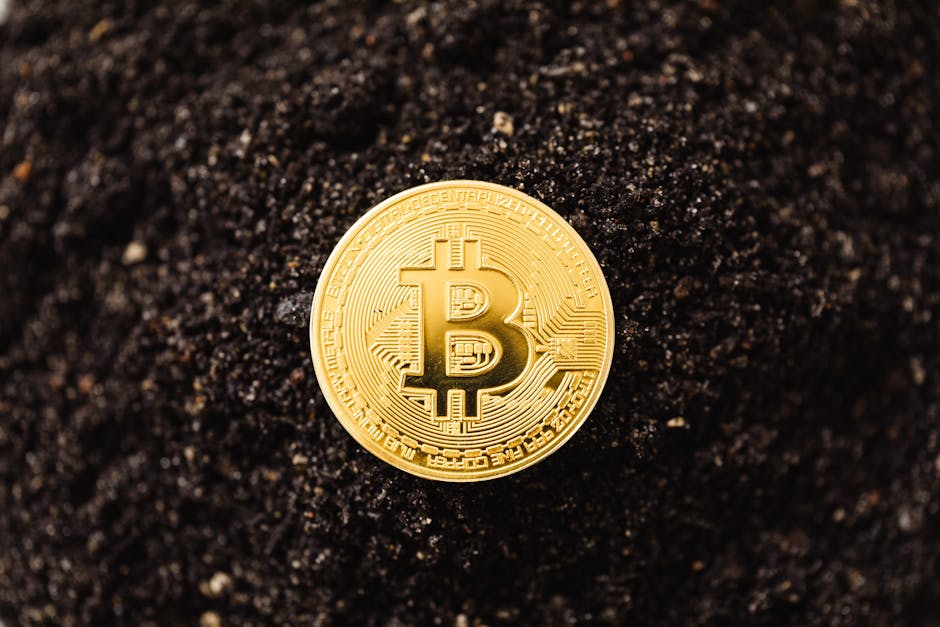
As the world’s first and most recognized cryptocurrency, Bitcoin has consistently evolved since its inception in 2009. Today, investors, technologists, and everyday users are asking: What will Bitcoins in 2026 look like? With the volatile nature of crypto markets, regulatory uncertainty, and advances in blockchain technology, making informed predictions is challenging but essential for anyone interested in the future of digital currencies. This article delves deep into the trends, forecasts, and possible scenarios shaping Bitcoin as we approach 2026, providing a comprehensive overview for enthusiasts and skeptics alike.
Key Takeaways
- Bitcoin could see increased mainstream adoption, potentially solidifying its place as a global store of value by 2026.
- Market forecasts predict both significant price volatility and the possibility of new all-time highs.
- Regulatory frameworks are likely to become clearer, affecting the accessibility and use of Bitcoin worldwide.
- Technological innovations such as the Lightning Network may improve transaction speed and reduce costs.
- Bitcoin’s energy consumption and environmental impact will remain a central topic as sustainable solutions emerge.
Bitcoin’s Market Position in 2026: Forecasts and Trends
Market Capitalization and Price Predictions
The value of Bitcoin has historically experienced sharp peaks and troughs, influenced by macroeconomic trends, investor sentiment, and technological advances. By 2026, numerous analysts project Bitcoin’s market capitalization could surpass $2 trillion, driven by both institutional investment and increased public adoption. Price forecasts for a single Bitcoin range from conservative estimates around $75,000–$100,000 to more bullish predictions exceeding $250,000, according to Bloomberg and other financial outlets. However, it is important to remember that cryptocurrencies remain highly speculative and such forecasts are subject to rapid changes.
Factors Influencing Bitcoin Value
Several factors will shape Bitcoin’s price in 2026. The upcoming Bitcoin halving event—expected in 2024—will reduce mining rewards, often a catalyst for price surges. Additionally, increased acceptance by global payment systems and the launch of Bitcoin ETFs in new markets could fuel demand. On the other hand, tighter regulatory controls, security incidents, or a shift in investor sentiment may temper growth. Potential users should stay informed via resources like our guide to crypto investing to understand market movements.
Adoption and Integration: How Bitcoin May Become Mainstream
Retail and Institutional Adoption
By 2026, Bitcoin adoption is expected to accelerate as more businesses accept it for goods and services. Companies such as PayPal and Square have already integrated Bitcoin payments, and more are likely to follow suit. Institutional investors—including hedge funds, pension funds, and even central banks—are increasingly allocating assets to Bitcoin as a potential hedge against inflation and currency devaluation. This greater integration could help stabilize prices and reduce volatility over time.
Bitcoin as a Global Store of Value
Many experts predict Bitcoin will further solidify its reputation as “digital gold.” Economic uncertainty and concerns about fiat currency debasement have already led some nations to consider holding Bitcoin as a reserve asset. If this trend continues, Bitcoin could become a global benchmark for value storage, even as transactional use remains secondary to its investment role. For more on this, see how Bitcoin compares to traditional assets.
Regulation: The Changing Legal Landscape for Bitcoin in 2026
Global Regulatory Approaches
The legal status of Bitcoin varies widely around the world. By 2026, it is expected that more countries will establish comprehensive regulatory frameworks, clarifying issues such as taxation, anti-money laundering (AML), and consumer protection. The United States, the European Union, and countries in Asia are all working on crypto regulations that could provide greater certainty for investors and service providers.
Impact on Accessibility and Innovation
Clearer regulations can make it easier for financial institutions and fintech companies to offer Bitcoin-related products, enhancing accessibility for a broader range of users. However, overregulation or inconsistent international policies could hinder innovation and restrict market growth. Striking a balance will be key to fostering both security and innovation within the Bitcoin ecosystem.
Technological Advances: Enhancing Bitcoin’s Utility
The Lightning Network and Scalability
The Bitcoin blockchain processes a limited number of transactions per second, which can lead to congestion and high fees. The adoption of the Lightning Network—a second-layer protocol for faster, cheaper Bitcoin transactions—could make Bitcoin practical for everyday payments by 2026. As more wallets and exchanges support Lightning, transaction times and costs are expected to decrease substantially, making Bitcoin more competitive with traditional payment systems.
Security and Privacy Innovations
Security remains a top priority for the Bitcoin ecosystem. Advances in multi-signature wallets, hardware wallets, and privacy-preserving technologies such as Taproot and Schnorr signatures are enhancing both user safety and anonymity. These developments could encourage broader adoption by reducing the risk of theft and improving the user experience for both individuals and businesses.
Bitcoin and the Global Economy: Macro Impacts in 2026
Bitcoin’s Role in Emerging Markets
For people in countries with unstable currencies or restrictive banking systems, Bitcoin offers a lifeline for preserving wealth and facilitating international transactions. By 2026, adoption in emerging markets could accelerate, driven by mobile internet access and grassroots education efforts. In some nations, Bitcoin may supplement or even replace unreliable local currencies, empowering individuals with greater economic autonomy.
Interactions with Central Bank Digital Currencies (CBDCs)
Central banks worldwide are developing digital currencies (CBDCs) to modernize payment systems and maintain policy control. While CBDCs and Bitcoin serve different purposes—one centralized, the other decentralized—they will coexist in the evolving financial landscape. Bitcoin’s fixed supply and decentralized nature may appeal to those seeking alternatives to government-controlled money, fostering a diverse digital currency ecosystem.
Environmental Considerations: Bitcoin’s Energy Debate in 2026
Energy Consumption Trends
Bitcoin mining is energy-intensive, prompting criticism about its environmental impact. By 2026, increased adoption of renewable energy sources within the mining sector is likely. As mining becomes more competitive and nations introduce sustainability mandates, miners are investing in hydroelectric, solar, and wind-powered facilities to reduce their carbon footprint.
Sustainable Solutions and Industry Response
Industry groups and advocacy organizations are collaborating to promote energy transparency and responsible mining practices. The development of more energy-efficient mining hardware and the integration of carbon offsetting programs could further mitigate Bitcoin’s environmental impact. These initiatives will play a crucial role in ensuring Bitcoin’s long-term viability and public acceptance.
Risks and Challenges for Bitcoin in 2026
Market Volatility and Investor Sentiment
Despite its maturation, Bitcoin is likely to remain a volatile asset in 2026, with prices influenced by regulatory changes, technological developments, and macroeconomic events. Investors should prepare for sudden swings and consider strategies for risk management, such as diversification and dollar-cost averaging.
Security Threats and Technological Risks
While Bitcoin’s core protocol is robust, the wider crypto ecosystem remains vulnerable to hacks, scams, and software bugs. Continued vigilance, improved security standards, and user education will be vital to protect both newcomers and experienced holders from losses.
Frequently Asked Questions
Will Bitcoin be widely used for daily transactions by 2026?
While Bitcoin’s use as a daily currency is increasing, especially with technologies like the Lightning Network, its primary use is still as a store of value. By 2026, we may see broader adoption for microtransactions in some regions, but challenges such as volatility and regulatory hurdles could limit widespread daily usage.
How high could Bitcoin’s price reach by 2026?
Price predictions for Bitcoin in 2026 vary widely. Some analysts forecast values around $100,000, while others believe new all-time highs above $250,000 are possible. These forecasts depend on factors like regulatory clarity, institutional adoption, and global economic trends.
Will Bitcoin remain the dominant cryptocurrency in 2026?
Bitcoin is expected to retain its position as the leading cryptocurrency due to its brand recognition, security, and broad adoption. However, competition from other cryptocurrencies and innovations in blockchain technology may challenge its dominance in specific use cases.
What environmental impact will Bitcoin have in 2026?
Bitcoin’s energy consumption will remain a concern, but industry efforts are underway to increase the use of renewable energy in mining. By 2026, more sustainable practices and technologies may reduce the network’s overall environmental footprint.
How will regulations affect Bitcoin’s growth by 2026?
Greater regulatory clarity could encourage mainstream adoption and institutional investment. However, overly restrictive rules may limit innovation and accessibility. Finding a balanced regulatory approach will be essential for Bitcoin’s continued growth and legitimacy.
Conclusion
As we look ahead to 2026, Bitcoin’s trajectory remains both exciting and uncertain. The potential for increased adoption, technological breakthroughs, and price appreciation are counterbalanced by regulatory, security, and environmental challenges. What is clear, however, is that Bitcoin will continue to play a central role in the evolving digital economy—whether as a global store of value, a transactional medium, or a catalyst for financial innovation.
For investors, businesses, and everyday users, staying informed about Bitcoin’s developments and participating responsibly in the ecosystem will be key to reaping its benefits. The next few years will be critical in determining how Bitcoin shapes the future of finance and what it means for global economic freedom. Now is the time to learn, engage, and prepare for the opportunities and challenges that Bitcoins in 2026 will present.