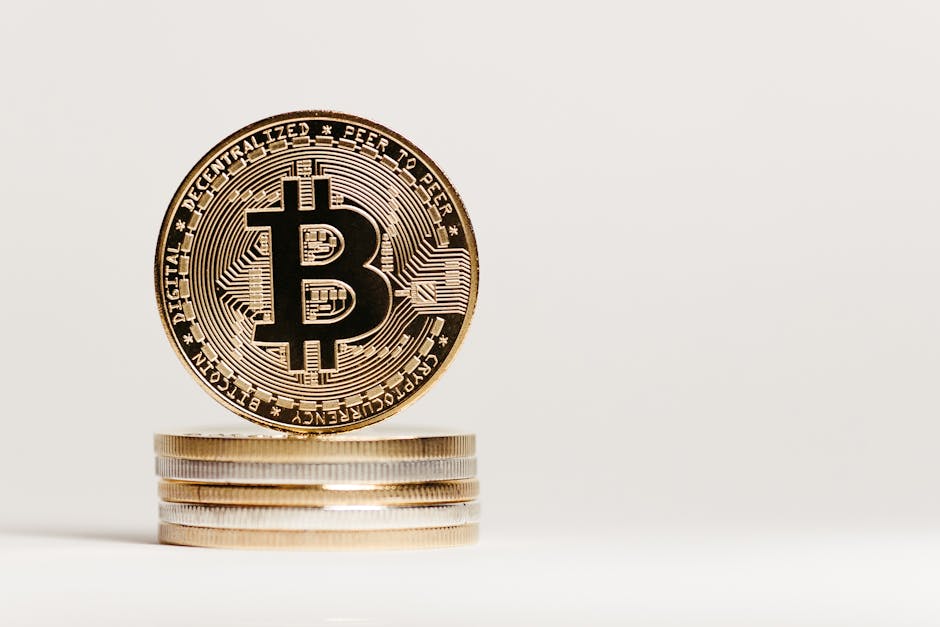
Bitcoins in 2026 are at the center of global financial discourse, captivating investors, technologists, and regulators alike. As the world’s first and most recognized cryptocurrency continues to evolve, its trajectory over the next two years is set to redefine digital finance. This article provides an in-depth analysis of what the future holds for Bitcoin, examining emerging trends, technological advancements, regulatory landscapes, and the broader impact on global markets. By understanding these dynamics, both seasoned crypto enthusiasts and newcomers can make informed decisions about their involvement with Bitcoin.
The Current State of Bitcoin: Setting the Stage for 2026
Market Capitalization and Adoption Rates
Since its inception in 2009, Bitcoin has grown from a niche experiment to a financial powerhouse, boasting a market capitalization that surpassed $1 trillion in 2024. As of June 2024, roughly 19.7 million Bitcoins have been mined, approaching the maximum supply of 21 million. This scarcity principle bolsters its value, fueling speculation and investment worldwide. According to Chainalysis, more than 420 million people globally owned cryptocurrency in early 2024, with Bitcoin leading as the most widely held asset.
Mainstream Integration and Institutional Interest
Major companies such as Tesla, MicroStrategy, and Block continue to hold significant Bitcoin reserves, signaling confidence in its long-term potential. Payment giants like PayPal and Visa have expanded crypto-related services, allowing millions to buy, hold, or spend Bitcoin. This mainstream integration has positioned Bitcoin as both a speculative asset and a practical medium of exchange, laying the groundwork for broader adoption by 2026.
Volatility and Public Perception
Despite its achievements, Bitcoin remains notoriously volatile. Price swings of over 10% in a single day are not uncommon, causing both excitement and apprehension among investors. However, with each market cycle, volatility has gradually decreased, indicating a maturing asset class. The growing public perception of Bitcoin as “digital gold” drives its use as a hedge against inflation and economic instability, further embedding it in mainstream financial consciousness.
Technological Innovations Shaping Bitcoins in 2026
The Impact of Blockchain Upgrades
Bitcoin’s technical infrastructure continues to evolve, with upgrades such as Taproot implemented in late 2021 to improve privacy, scalability, and smart contract functionality. By 2026, further enhancements—potentially including Schnorr signatures and drivechains—aim to reduce transaction costs and increase throughput. These improvements not only fortify the network but also expand its use cases beyond simple peer-to-peer transactions.
Layer 2 Solutions: Scaling and Efficiency
The Lightning Network, Bitcoin’s prominent Layer 2 protocol, has witnessed explosive growth. Recent statistics show over 5,000 BTC locked in Lightning channels as of mid-2024, facilitating instant microtransactions with minuscule fees. By 2026, it is expected that more merchant services and wallet providers will seamlessly integrate Lightning, making Bitcoin payments as easy as swiping a credit card. Sidechains and federated systems, such as Liquid and Rootstock, are also enhancing programmability and interoperability, attracting developers and businesses alike.
Security and Quantum Threats
Security remains paramount for Bitcoin’s sustained relevance. As quantum computing advances, concerns about cryptographic vulnerabilities have emerged. However, the Bitcoin community is proactively researching quantum-resistant algorithms to future-proof the network. By 2026, we anticipate increased collaboration between academia and industry to ensure that Bitcoin’s cryptography remains ahead of theoretical threats, safeguarding assets for the next generation.
Regulatory Evolution and Its Global Impact on Bitcoin
Regulations in Major Economies
Government attitudes toward Bitcoin have shifted dramatically in the last decade. The United States, European Union, and Asian economic giants are crafting nuanced approaches to digital asset regulation. The EU’s Markets in Crypto-Assets (MiCA) regulation, expected to be fully implemented by 2025, aims to harmonize crypto rules across member states. In the U.S., the SEC and CFTC continue to debate over classification and oversight, but momentum is growing toward clearer, investor-friendly guidelines.
Emerging Markets and Legalization
Several emerging markets, from Latin America to Africa, have adopted progressive stances toward Bitcoin. El Salvador made headlines in 2021 by granting Bitcoin legal tender status, and other nations are studying similar models to boost remittances and financial inclusion. According to a 2023 Statista report, over 20 countries are piloting or considering Bitcoin-friendly policies, recognizing its potential to empower unbanked populations and attract foreign investment.
Compliance, Privacy, and KYC
Compliance remains a double-edged sword for the Bitcoin ecosystem. While Know Your Customer (KYC) and Anti-Money Laundering (AML) regulations enhance legitimacy, they can also erode privacy—a core tenet for many early adopters. By 2026, we expect a delicate balance: enhanced compliance mechanisms leveraging blockchain analytics, paired with privacy-preserving technologies such as zero-knowledge proofs, will shape a regulatory environment that fosters both innovation and protection.
Market Trends and Forecasts: Where Will Bitcoin Be in 2026?
Price Projections and Influencing Factors
Price predictions for Bitcoin in 2026 vary widely, reflecting both optimism and caution. Analysts from Bloomberg and JP Morgan project Bitcoin could reach between $150,000 and $300,000, contingent on market adoption, regulatory clarity, and macroeconomic trends. The halving event scheduled for 2024, which reduces mining rewards, historically triggers bull markets due to supply constraints. If past cycles repeat, Bitcoin may see significant price appreciation by 2026, though volatility will persist.
Institutional and Retail Involvement
Institutional investment is expected to deepen, especially as pension funds and endowments diversify into digital assets. According to Fidelity Digital Assets, over 78% of institutional investors surveyed in 2024 expressed interest in cryptocurrency exposure, predominantly Bitcoin. Meanwhile, retail adoption is expanding, with wallet downloads and blockchain transaction counts setting new records each quarter. By 2026, frictionless onboarding and robust custody solutions will further lower entry barriers for all participants.
Comparisons to Other Cryptocurrencies
While competition from Ethereum, Solana, and newer blockchains is fierce, Bitcoin’s first-mover advantage and unparalleled security continue to attract long-term investors. Its capped supply and widespread brand recognition provide a unique value proposition. However, innovations in decentralized finance (DeFi) and non-fungible tokens (NFTs) are predominantly occurring on other platforms, presenting both a challenge and an opportunity for Bitcoin to expand its utility through cross-chain interoperability.
Societal and Economic Implications of Bitcoins in 2026
Financial Inclusion and Economic Empowerment
Bitcoin’s borderless nature positions it as a tool for financial empowerment. In regions plagued by hyperinflation or limited banking infrastructure, Bitcoin offers a stable alternative for savings and remittances. As of 2024, the World Bank estimates more than 1.4 billion adults remain unbanked. By 2026, initiatives leveraging Bitcoin could help close this gap, providing secure and accessible financial services via smartphones and decentralized applications.
The Environmental Debate: From Criticism to Solutions
Bitcoin mining’s energy consumption remains a contentious issue, with the Cambridge Centre for Alternative Finance reporting annualized energy use comparable to countries like Sweden. However, the industry is pivoting toward sustainability. Recent surveys indicate that over 55% of Bitcoin’s hash rate now comes from renewable sources, and innovative projects like flared-gas mining are converting waste energy into productive use. By 2026, market pressures and carbon-neutral commitments are expected to further green the Bitcoin ecosystem.
Changing Attitudes and Cultural Significance
The cultural impact of Bitcoin cannot be overstated. What began as a grassroots movement has become a global phenomenon, inspiring art, literature, and activism. The “HODL” ethos, Bitcoin Twitter, and annual conferences like Bitcoin Miami have solidified its role in shaping digital culture. As mainstream acceptance grows, Bitcoin’s narrative as a democratizing force will continue to influence public discourse, policy debates, and global economic trends.
Risks, Challenges, and Contingencies for Bitcoins in 2026
Regulatory Crackdowns and Geopolitical Risks
Despite positive trends, significant risks persist. Government crackdowns, as seen in China’s 2021 mining ban, can trigger market instability and force operational shifts. Geopolitical tensions, currency crises, or coordinated regulatory action could affect Bitcoin’s liquidity and accessibility. Investors must remain vigilant, monitoring global developments and diversifying their risk exposure accordingly.
Cybersecurity Threats and Scams
Cybercrime remains a persistent threat, with billions lost annually to hacks, phishing, and malware attacks targeting crypto users. While Bitcoin’s underlying protocol has proven resilient, exchanges and wallets are frequent targets. By 2026, advancements in multi-signature wallets, hardware security modules, and decentralized custody solutions are expected to mitigate these risks, but user education will remain paramount.
Network Congestion and Usability Constraints
As transaction volumes increase, network congestion and high fees could hamper Bitcoin’s usability for small payments. While scaling solutions like the Lightning Network offer relief, seamless integration and user experience improvements are essential for mass adoption. Continued investment in wallet interfaces, merchant tools, and off-chain solutions will determine whether Bitcoin can truly serve as a global currency for everyday use.
Preparing for the Bitcoin Future: Strategies for Users and Investors
Diversification and Risk Management
For individuals and institutions considering Bitcoin exposure in 2026, diversification is key. Allocating an appropriate percentage of one’s portfolio to Bitcoin, along with other asset classes, helps balance risk and reward. Professional advice, thorough research, and disciplined investing remain vital, especially in a market characterized by rapid change and innovation.
Staying Informed and Adaptive
The crypto landscape is dynamic. New regulations, technological breakthroughs, or macroeconomic shifts can quickly change the outlook. Engaging with reliable information sources—such as industry reports, expert commentary, and credible news outlets—enables proactive decision-making. Participating in community forums and ongoing education will be increasingly important as Bitcoin evolves in 2026 and beyond.
Long-Term Perspective and Social Responsibility
Finally, successful engagement with Bitcoin requires a long-term mindset. Short-term volatility can be unsettling, but those who focus on fundamentals and societal impacts are better positioned to navigate uncertainty. Additionally, fostering responsible practices—supporting green mining, advocating for fair regulations, and promoting financial literacy—can help ensure that Bitcoin’s growth benefits society at large.
Conclusion: The Road Ahead for Bitcoins in 2026
As we look toward 2026, the future of Bitcoins is both promising and complex. Technological innovation, regulatory clarity, and societal acceptance are converging to reshape the narrative around the world’s leading cryptocurrency. While risks persist, proactive adaptation and responsible stewardship will enable Bitcoin to reach new heights as both an investment vehicle and a force for financial inclusion. By staying informed and engaged, individuals and institutions alike can participate in shaping the next chapter of the Bitcoin story.