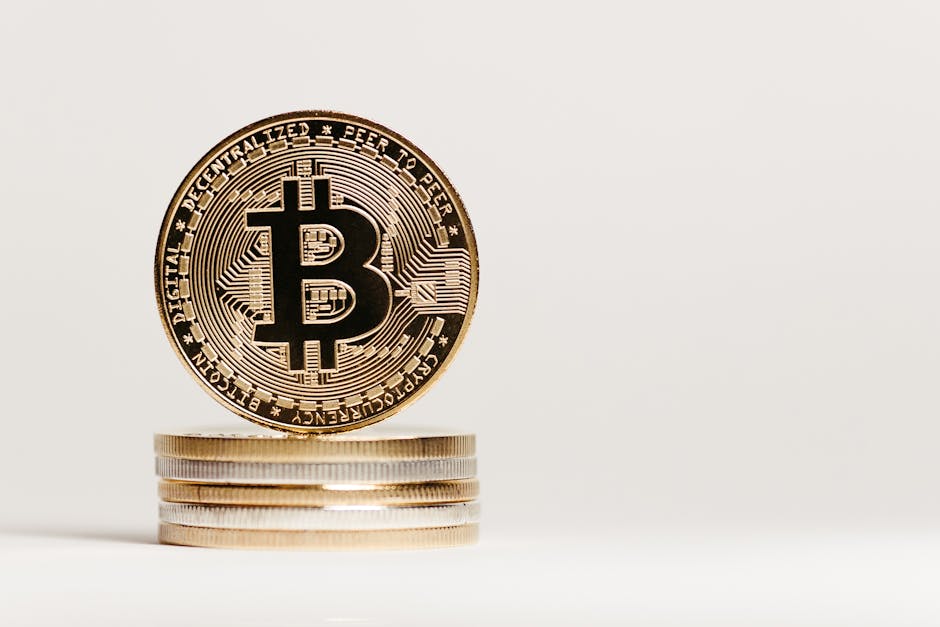
The Future of Bitcoin: What to Expect in 2026
Bitcoin, the pioneering cryptocurrency, has come a long way since its inception in 2009. As we look forward to 2026, several factors could shape its trajectory, from technological innovations to regulatory shifts and market dynamics. In this article, we explore these potential developments and what they might mean for Bitcoin enthusiasts and investors.
Technological Advancements
Bitcoin’s underlying technology, blockchain, has seen significant improvements over the years. By 2026, we can anticipate further advancements that enhance Bitcoin’s scalability, security, and utility. One promising development is the Lightning Network, a second-layer solution that allows for faster and cheaper transactions. As this technology matures, it could make Bitcoin more feasible for everyday transactions, thus increasing its adoption.
Moreover, improvements in quantum computing could pose challenges to Bitcoin’s cryptographic security. However, the cryptocurrency community is already working on quantum-resistant algorithms to safeguard against potential threats. The evolution of these technologies will play a crucial role in determining Bitcoin’s future resilience and reliability.
Regulatory Landscape
The regulatory environment for cryptocurrencies has been a significant influence on their market performance. By 2026, we can expect more comprehensive regulations as governments worldwide seek to balance innovation with consumer protection. Some countries may adopt a more favorable stance, offering clarity and encouraging innovation, while others might impose stricter controls.
The introduction of central bank digital currencies (CBDCs) could also impact Bitcoin’s role in the global financial system. As CBDCs become more prevalent, Bitcoin may find a niche as a store of value rather than a mainstream medium of exchange. Navigating these regulatory waters will be crucial for Bitcoin’s sustained growth and acceptance.
Market Dynamics
Bitcoin’s market dynamics will undoubtedly evolve by 2026. Institutional investment has been a growing trend, with major financial institutions and corporations investing in Bitcoin as a hedge against inflation and economic uncertainty. This trend is likely to continue, providing more stability to Bitcoin’s price and legitimizing its status as ‘digital gold.’
However, market volatility remains a hallmark of Bitcoin. It’s essential for investors to understand the risks involved and diversify their portfolios accordingly. By 2026, the market may also see new entrants and innovations in the form of decentralized finance (DeFi) and non-fungible tokens (NFTs), further shaping the landscape in which Bitcoin operates.
Conclusion
By 2026, Bitcoin is likely to be influenced by technological innovations, regulatory developments, and evolving market dynamics. While challenges such as security threats and regulatory hurdles remain, the potential for growth and increased adoption is significant. As we move forward, Bitcoin’s role in the global economy and its impact on the financial landscape will continue to be topics of interest and debate. Investors and enthusiasts should stay informed about these changes to make the most of Bitcoin’s potential in the years to come.