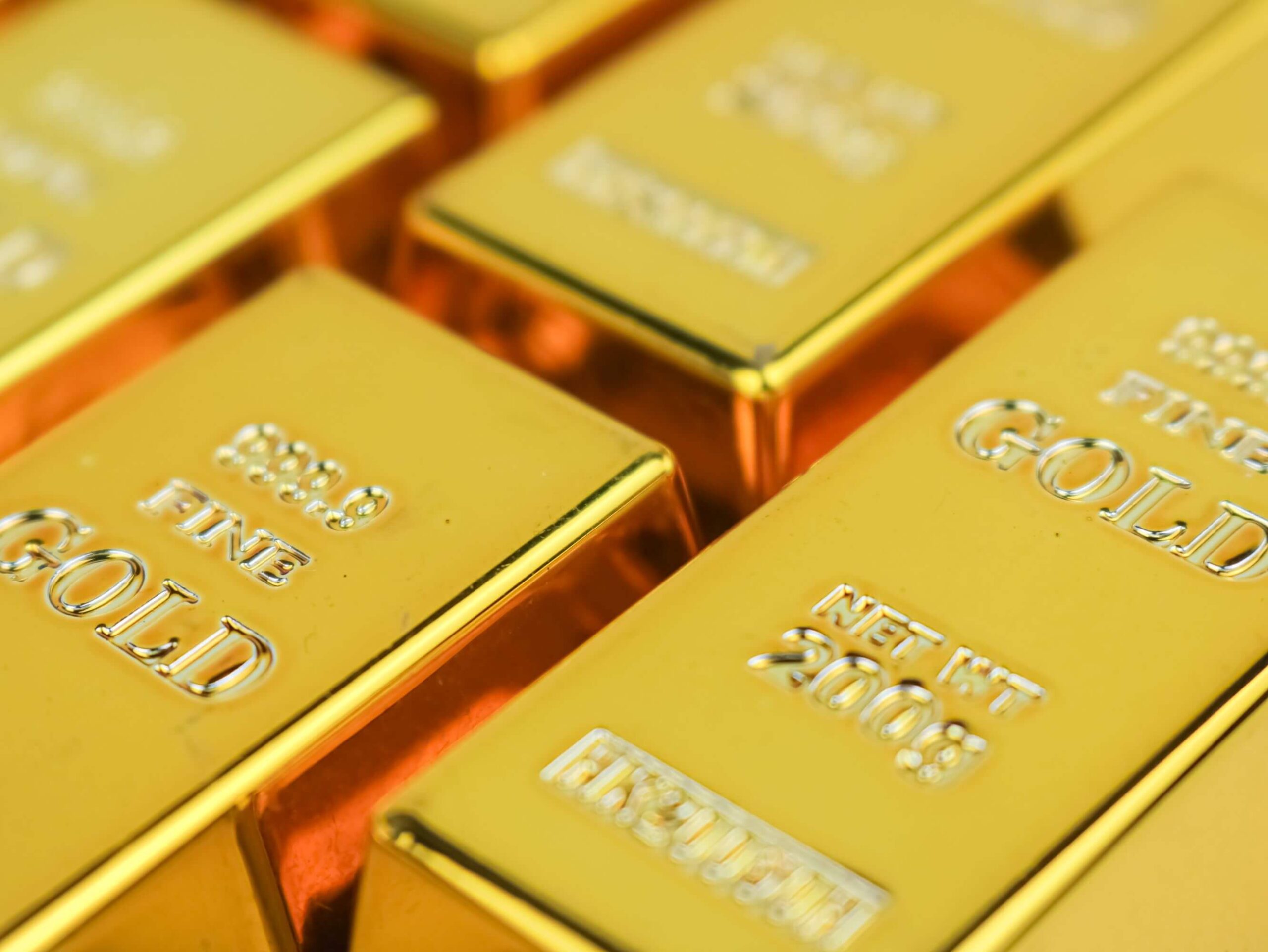
Gold and silver markets saw a historic selloff this week, creating waves across the financial world. After hitting record highs just days earlier, prices for both metals nosedived due to market shifts and key announcements from the U.S. government.
Market Crash Explained
On Monday, gold prices dropped by a staggering 10%, falling from their previous week’s record of $5,626.80 per ounce. The selloff brought gold down to $4,536.46 as of Monday afternoon in Singapore, marking one of the steepest declines in recent memory. Meanwhile, silver suffered an even sharper plummet, crashing 16% in a single day to $72.68 per ounce, erasing all the gains it had made throughout the year.
Both metals had initially reached record highs—partly fueled by global investors turning to gold and silver as safe-haven assets amid geopolitical uncertainty. However, overcrowded trades and profit-taking in heavily leveraged derivatives precipitated a sudden and dramatic price reversal.
The Role of Kevin Warsh’s Nomination
A major factor behind the selloff was President Donald Trump’s announcement nominating Kevin Warsh to head the Federal Reserve. Markets reacted strongly to the news, perceiving Warsh as a hawk on inflation who would likely advocate for tighter monetary policies. This prospect caused the U.S. dollar to strengthen significantly, making gold and silver pricier for international buyers.
Warsh’s reputation for favoring higher interest rates led to a decline in demand for precious metals, which typically struggle in high-interest rate environments. Lower market uncertainty also reduced the appeal of gold and silver as protective investments, with many speculators exiting their positions.
Geopolitical and Seasonal Influences
Prior to the selloff, Chinese buying had spurred the rally in precious metals. However, with the Chinese New Year holiday approaching, traders began reducing their positions to manage risk. Heavy buying in January was followed by a wave of profit-taking, further accelerating the price decline. Nearly every profitable buyer in the market seemed poised to exit, creating a “wholesale exit,” according to industry analysts.
Despite the steep drop, lower prices could encourage retail buying in China, where demand for gold jewelry and bars spikes during the Lunar New Year season. Analysts, including Zijie Wu from Jinrui Futures, believe the pullback might create new entry points for consumers during this peak buying season.
Market Outlook
Although the recent crash raised alarms across the trading community, some experts maintain a bullish perspective on gold’s long-term prospects. Deutsche Bank, for instance, still holds its $6,000 per ounce target for gold, citing strong fundamental support.
Investors looking to capitalize on the renewed opportunity in gold and silver might consider products designed to help navigate volatile markets. For example, the 1 oz American Gold Eagle Coin, available on APMEX, remains a popular investment choice for both seasoned and beginner investors seeking to diversify their portfolio with physical gold.
As geopolitical uncertainties and Federal Reserve policy continue to shape investor behavior, all eyes remain on the precious metals market for the next big move.