Gold and Silver Prices Experience Historic Plunge
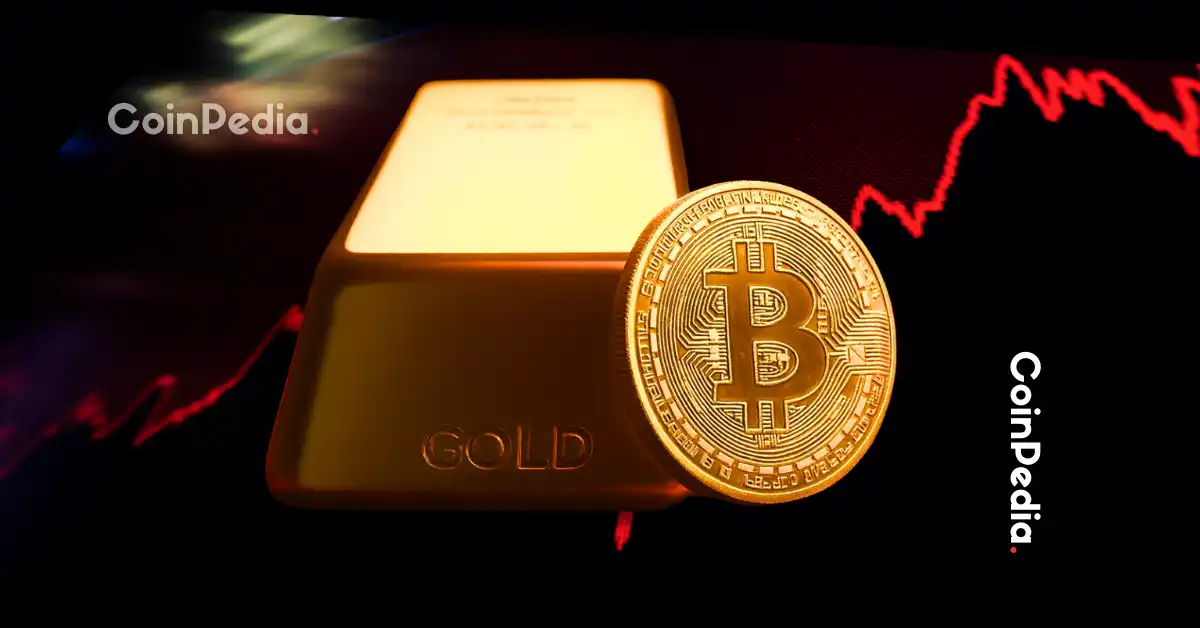
Gold and silver markets recently experienced a tumultuous period, with both metals facing a dramatic and historic collapse. This unprecedented event sent shockwaves through markets, erasing trillions of dollars in value and leaving investors scrambling to reassess their strategies. But what led to such a sharp decline in these traditionally stable assets?
Key Factors Behind the Decline
Several factors contributed to the sharp downturn in gold and silver prices. A strengthening U.S. dollar played a pivotal role, as it made these dollar-denominated metals more expensive for international buyers. Additionally, aggressive profit-taking and increased margin pressures created a ripple effect, setting the stage for a volatile correction.
Gold prices fell nearly 5% to $4,616.79 per ounce, extending last Friday’s dramatic 10% plunge below the $5,000 mark. Meanwhile, silver faced an even steeper decline, falling close to 40% from its peak and briefly stabilizing around $78.30 per ounce after a nearly 30% single-day drop the previous week.
Impacts on Safe-Haven Assets
Traditionally viewed as safe-haven assets, gold and silver are now trading with volatility levels typically associated with cryptocurrencies like Bitcoin. Analysts observed that speculative positioning in these commodities reached unsustainable levels, resulting in an unprecedented market correction.
According to market expert Bull Theory, the recent crash wiped out approximately $10 trillion in market value across gold and silver in just three days. Gold alone accounted for a loss of $7.4 trillion, five times the market capitalization of Bitcoin, while silver saw a $2.7 trillion drop, a figure comparable to the entire cryptocurrency market’s valuation.
The Role of Monetary Policy
The Federal Reserve’s monetary policy also played a crucial role in driving the sell-off. The nomination of former Federal Reserve Governor Kevin Warsh, known for advocating tighter monetary policy, increased market expectations of higher interest rates. This shift further dampened the enthusiasm for non-yielding assets like gold and silver, as the opportunity costs of holding these assets rose.
To address the extreme volatility, the CME Group announced higher margin requirements for gold and silver futures. Margins on COMEX gold futures increased from 6% to 8%, while silver futures saw an even sharper rise from 11% to 15%.
What It Means for Investors
While these events have shaken confidence in traditional safe-haven assets, crypto analyst Michaël van de Poppe suggests there may be a silver lining for cryptocurrency investors. Historically, when commodities experience a steep decline, cryptocurrencies like Bitcoin often follow, but they tend to outperform once the commodities markets stabilize.
How to Stay Informed
Market conditions are constantly evolving, and staying updated on the latest developments is critical for making informed investment decisions. For accurate and timely updates on cryptocurrency and traditional markets, consider platforms like CoinPedia, which delivers expert insights and news tailored to the needs of savvy investors.
Recommended Product: Metal Investment Education Kit
For those looking to better understand the dynamics of precious metals investment, this Metal Investment Education Kit is an excellent resource. The guide offers in-depth strategies and tools to navigate volatile market conditions confidently.