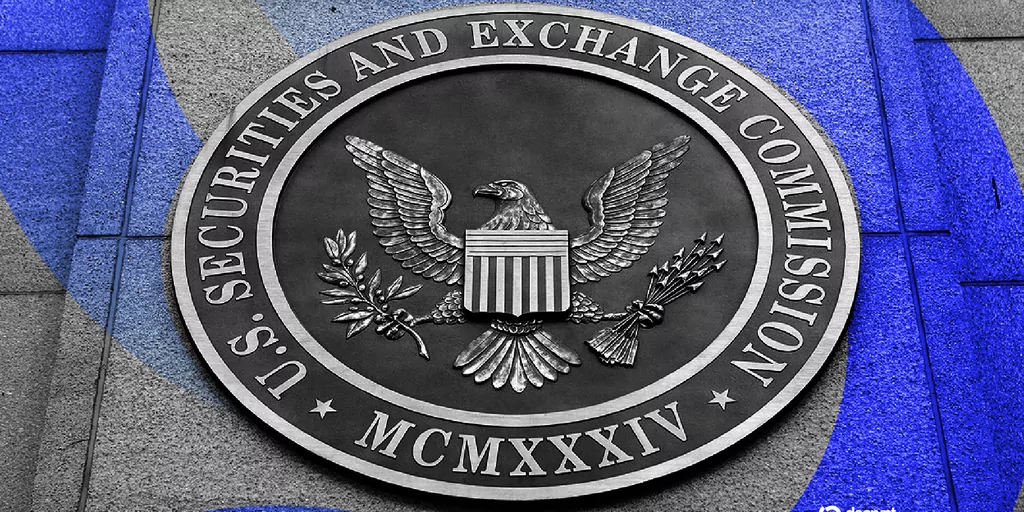
The regulatory landscape in the cryptocurrency industry is undergoing seismic changes. With the SEC adopting a more selective approach to enforcement a year into Donald Trump’s second presidency, the future of crypto regulation is taking shape in unprecedented ways. The softer stance has already had significant effects on major cases involving industry giants like Coinbase, Binance, and Gemini.
The SEC’s Shift in Strategy
Under the leadership of SEC Chair Paul Atkins, the agency has pivoted from large-scale enforcement and ‘headline-driven’ crypto crackdowns to a more focused strategy targeting investor harm. This move marks a departure from the policies of the Gensler era, characterized by sweeping investigations and rigidity. Instead, newer policies under Trump’s administration prioritize economic competitiveness and legal clarity over aggressive regulation of decentralized technologies.
Notable Cases Dropped
The most noteworthy change so far has been the dismissal of the high-profile Gemini Earn lawsuit. Once accused of offering unregistered securities through their lending product, Gemini and its partner Genesis Global Capital have reached a resolution that resulted in a ‘100 percent in-kind return’ to investors. Beyond Gemini, the SEC has terminated at least 17 other enforcement actions, including cases involving industry leaders like Ripple, Kraken, Uniswap, and even prominent NFT marketplace OpenSea.
Most of these cases stemmed from concerns about staking products, token listings, and wallet infrastructure—the bedrock of Web3 initiatives. The shift towards dropping such cases is indicative of the SEC’s recalibration and embraces a risk-based enforcement model. According to legal experts, this approach avoids over-regulating an industry still in its infancy while addressing genuine risks to investors.
Implications for the Crypto Community
Industry leaders and legal experts see this adjustment as a tactical experiment. The SEC’s deliberate restraint provides clarity and reduces the uncertainty that clouded the sector over the last few years. With regulations no longer solely driven by enforcement actions, companies now have a clearer pathway to innovate within the legal framework of the United States.
Another element influencing regulation is the passing of the GENIUS Act, hailed by crypto advocates as a landmark decision. The act offers clear guidelines for the cryptocurrency economy, establishing a more defined line between compliance and overreach. This development ends years of ambiguity in the nation’s courts.
Conclusion: A New Era for Crypto
The SEC’s recalibrated strategy signals a pivotal moment for the crypto space. By focusing on selective, risk-based enforcement policies over sweeping measures, the agency is setting the stage for a balanced regulatory environment capable of nurturing economic growth without sacrificing investor protection.
To keep your crypto investments secure, ensuring they comply with these evolving regulations is crucial. As a pro tip for investors, don’t overlook the security of your crypto wallet. Products like the Ledger Nano X, a trusted hardware wallet, can safeguard your assets while you explore the growing decentralized world.


