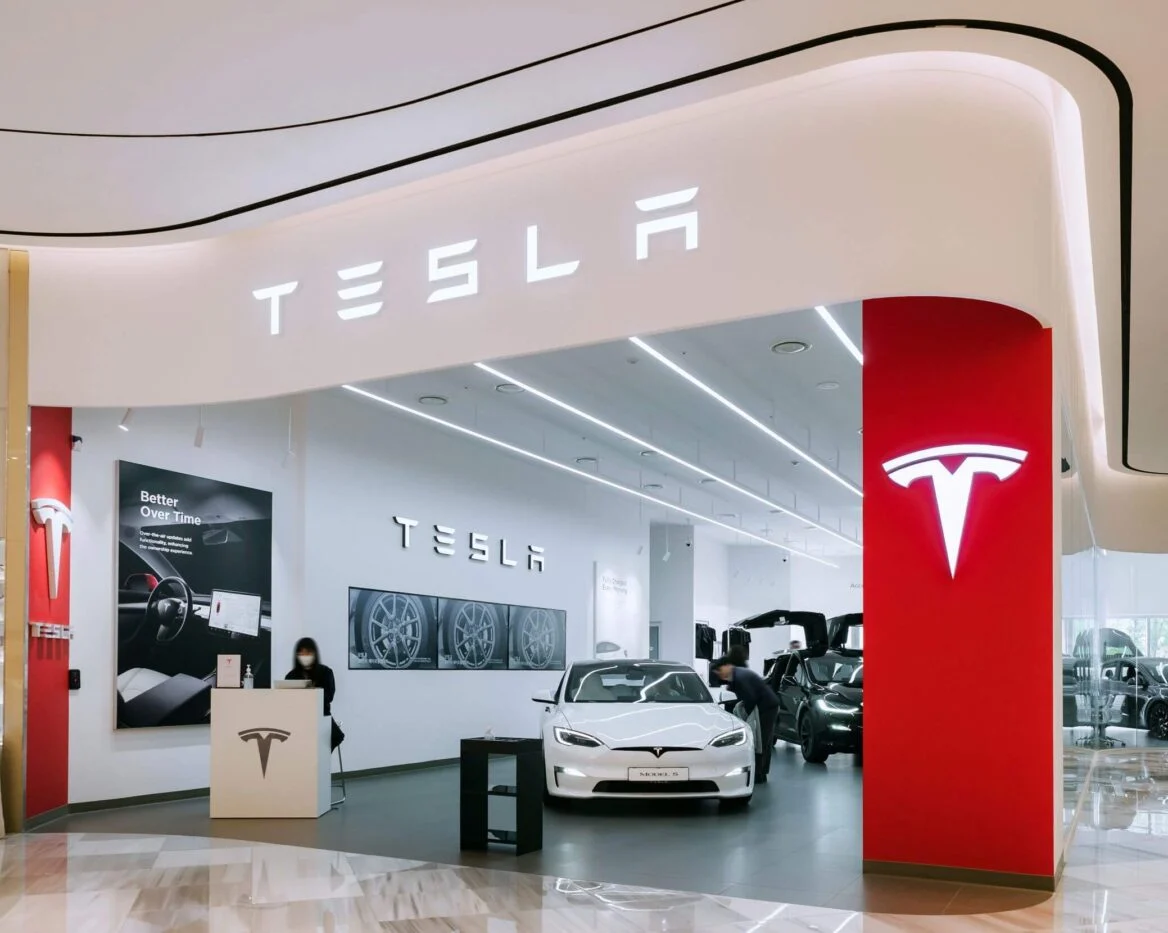
The Competitive Shift in the European EV Market
The competition within the European electric vehicle (EV) market has hit a new high, with Tesla experiencing significant challenges as Chinese competitor BYD gains ground. In 2025, Tesla’s European sales dropped by a notable 27% compared to the previous year, totaling 238,656 units. Meanwhile, BYD saw an astounding 268.6% increase, reaching 187,657 units across the same period.
Monthly Declines and Surges
December 2025 highlighted this trend further. Tesla’s registrations fell by 20%, while BYD’s grew more than threefold to 27,678 units for the month. Although Tesla’s annual sales still outpaced its competitor, the gap between the two automakers narrowed significantly. BYD’s market share rose from 0.4% in 2024 to 1.4% in 2025, demonstrating the increasing influence of the Chinese manufacturer.
Why BYD is Thriving While Tesla Faces Obstacles
BYD’s impressive growth is attributed to its diverse lineup of affordable electric and hybrid vehicles, which appeals to budget-conscious consumers. In contrast, Tesla has faced unique challenges. Elon Musk’s prior involvement with controversial political figures has impacted the brand’s perception in European markets. Additionally, Tesla made a strategic business shift in 2025 by discontinuing its $8,000 one-time Full Self-Driving (FSD) purchase option. Instead, the company transitioned to a $99 monthly subscription model, aiming to boost its recurring revenue streams.
Worldwide, Tesla’s struggles have mirrored its European challenges, with a 9% decline in global sales in 2025 and a 16% drop in fourth-quarter deliveries compared to the previous year. These figures emphasize Tesla’s need to adapt quickly to a fiercely competitive market.
The Broader European EV Market
The overall European EV market remained robust, showing an upward trend in electrification. Battery-electric vehicle sales surged by 51% year-over-year in December 2025, accounting for 17.4% of overall EU market share, up from 13.6% in 2024. Plug-in hybrid vehicle registrations increased by 36.7%, and hybrid-electric cars saw a growth of 5.8%, capturing a substantial 34.5% market share. Meanwhile, traditional petrol and diesel vehicles saw a decline, dropping to 35.5% of market share compared to 45.2% in 2024.
BYD’s Strategy Drives Growth
BYD’s focus on affordability and a well-rounded electric and hybrid lineup has clearly resonated with the European consumer base. With registrations climbing by 268.6% year-over-year, the Chinese automaker is putting significant pressure on established players like Tesla and Volkswagen. This momentum will likely force European manufacturers to innovate and evolve their offerings further to meet heightened consumer demand for electrification.
Considerations for EV Customers
If you’re interested in the EV market, it’s crucial to evaluate factors such as pricing, range, and technology advancements. For example, BYD offers a variety of competitively priced models with hybrid and fully electric options, making it a flexible choice for first-time EV buyers. Tesla, on the other hand, still leads in technological innovations and can appeal to customers focused on advanced features like Autopilot and higher performance capabilities.
Explore Tesla and BYD Vehicles
For those considering their next EV purchase, Tesla’s options such as the Model 3 and Model S continue to lead in luxury and advanced features. Meanwhile, check out BYD’s affordable hybrid and electric vehicle lineup for practical and budget-friendly choices.
Conclusion
The EV market in Europe is undergoing significant changes, with BYD emerging as a dominant new player. Tesla now faces greater pressure to retain its position as the market leader. As electrification becomes increasingly prominent, the competition will benefit consumers, offering them more options and better value when purchasing their next vehicle.