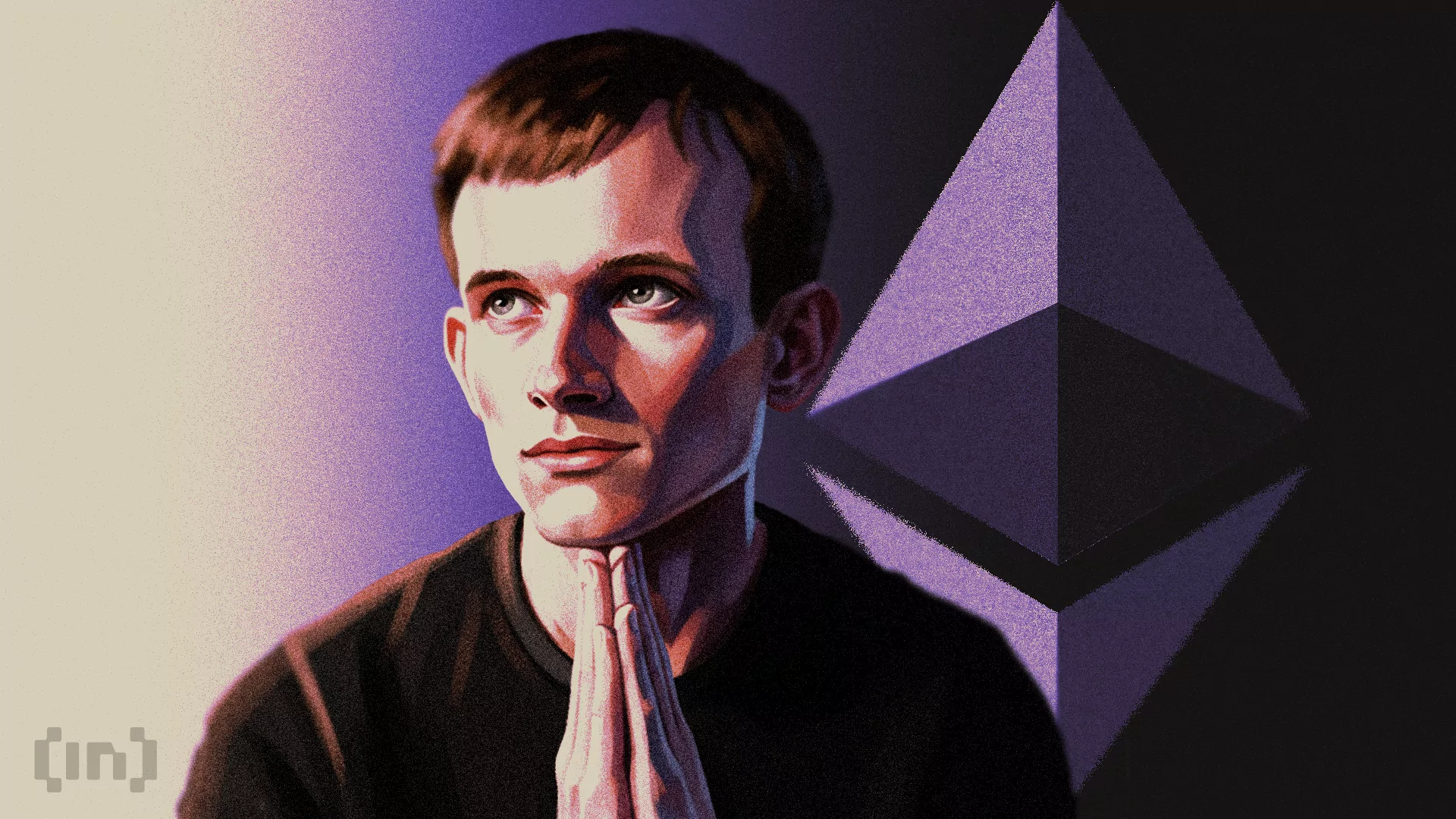
Vitalik Buterin Revisits Ethereum’s Self-Validation Debate
Ethereum co-founder Vitalik Buterin has surprised the blockchain world by reversing a key stance he held nearly a decade ago. In 2017, Buterin dismissed the idea of average users validating Ethereum’s full blockchain history as a “weird mountain man fantasy.” However, recent advancements in cryptography and real-world lessons have reshaped his perspective.
What Led to This Shift?
Back in 2017, Buterin argued against blockchain theorist Ian Grigg, who proposed that blockchains log transaction order without storing user balances, smart contract code, or storage data. Buterin believed this approach was impractical, as it would either force users to replay the chain’s history or depend entirely on third-party providers. He strongly advocated for Ethereum’s commitment to on-chain storage and verification for a safer, decentralized system.
Fast forward to today, Buterin’s renewed stance stems from the breakthrough of ZK-SNARKs. This revolutionary cryptographic technology allows users to verify a blockchain’s correctness without replaying every transaction. According to Buterin, this innovation is akin to discovering a “pill that cures all diseases for $15,” providing unparalleled security benefits without exorbitant costs.
The Impact of ZK-SNARKs on Ethereum’s Future
ZK-SNARKs have ushered in a new era of blockchain scalability and decentralization. With this technology, Ethereum users can validate transactions independently without relying on external service providers. Buterin stresses the importance of resilience in real-world scenarios, such as network downtimes, latency issues, and censorship threats.
This renewed emphasis on self-validation—referred to as the “Mountain Man” option—reinforces Ethereum’s long-term resilience. It ensures users can verify and use the blockchain independently, safeguarding it from technological or political disruptions. While full self-verification isn’t meant for day-to-day use, it serves as a critical fallback mechanism for unforeseen challenges.
What This Means for Blockchain Self-Sovereignty
Buterin’s philosophical and technical shift reflects Ethereum’s commitment to decentralization and self-sovereign principles. By enabling secure, independent verification, Ethereum can balance scalability, security, and decentralization without compromising its ethos.
For those passionate about the evolving blockchain space, this development underscores the need to stay updated with revolutionary tools like Ledger Nano X, a state-of-the-art hardware wallet designed to help you securely manage your Ethereum and crypto assets.
Final Thoughts
Vitalik Buterin’s reevaluation of Ethereum’s architecture highlights the importance of adapting to technological advancements. With tools like ZK-SNARKs revolutionizing blockchain verification, the future of decentralized platforms looks brighter than ever. As challenges like centralization risks and censorship emerge, Ethereum’s renewed commitment to resilience and self-sovereignty ensures it remains a stronghold in the blockchain world.