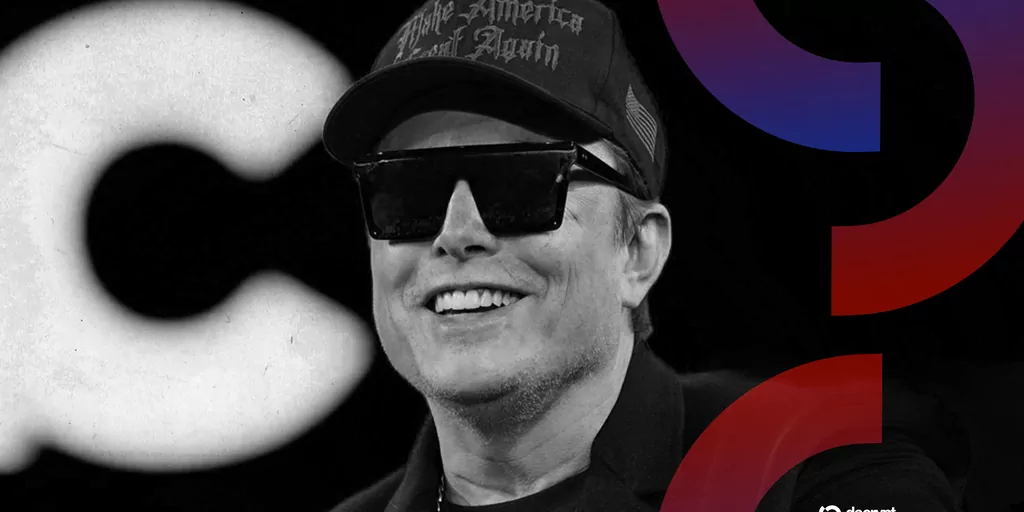
Elon Musk, the tech mogul behind SpaceX and Tesla, has found himself at the center of yet another public feud, this time with Michael O’Leary, CEO of Europe’s largest budget airline, Ryanair. The spat brings to light the challenges of integrating premium technology into ultra-low-cost carriers and the clash of personalities driving modern business narratives.
What Sparked the Debate?
The controversy centers around Musk’s push to install SpaceX’s Starlink satellite internet across commercial airlines. While premium carriers like Qatar Airways and United Airlines are already onboard, Ryanair has rejected the proposal, citing cost and operational difficulties. O’Leary stated that the added installation costs and increased fuel consumption — reportedly up to 2% due to weight and drag — make Starlink economically unfeasible for their fleet of over 600 aircraft.
“You need to put antenna on the fuselage,” O’Leary told reporters. “It comes with a 2% fuel penalty because of weight and drag. We don’t think our passengers are willing to pay for Wi-Fi for an average one-hour flight.”
Musk’s Counterarguments
Musk, known for his fiery social media presence, took to X (formerly Twitter) to challenge these claims. He argued that Ryanair’s concerns were exaggerated, stating the fuel impact from Starlink installations would be negligible. “Compared to most other connectivity solutions, there would actually be gains in efficiency,” Musk wrote.
The commentary didn’t end there. Musk accused O’Leary of lacking aerodynamics knowledge, leading to a war of words. Never one to shy away from controversy, O’Leary embraced the attention, even launching a cheeky “Big Idiot” fare promotion mocking Musk’s comments.
What’s at Stake?
This high-profile dispute highlights more than just clashing egos. It underscores the tension between advancing in-flight connectivity and maintaining the ultra-low-cost airline model. Budget airlines like Ryanair thrive on minimal additional costs, leaving little room for premium features like high-speed internet.
O’Leary estimated an annual cost increase of $200 to $250 million for Ryanair, should they agree to install Starlink systems, and questioned whether passengers would pay for such a luxury. For now, he remains open to hosting Starlink, but only if SpaceX covers the operational costs. “If Starlink wants to fit our aircraft and pay for the fuel drag, we’d happily put them on board,” he said.
Sky-High Memes and Public Opinions
As with most Musk feuds, the internet had its fun. After Musk polled X users on whether he should acquire Ryanair and “put an actual Ryan in charge,” social media buzzed with meme suggestions, from Ryan Reynolds to Ryan Gosling. While the idea is purely hypothetical, it further amplified public interest in the story.
Despite the media frenzy, regulatory hurdles stand in Musk’s way. European Union law prohibits non-European citizens from owning a majority stake in EU-based airlines. In response, O’Leary quipped, “If he wants to invest in Ryanair, we’d think it’s a very good investment, certainly better than what he’s earning on X.”
The Bigger Picture
Beyond the drama, the Ryanair-Starlink debate shines a light on the broader challenges of adapting cutting-edge technology to cost-sensitive markets. While Starlink offers transformative connectivity for longer flights and premium passengers, its value proposition for budget carriers remains questionable.
As this tech-versus-economics battle unfolds, frequent travelers looking for onboard internet might turn to luxury carriers already utilizing Starlink. If you’re someone who values seamless in-flight Wi-Fi, consider Qatar Airways, which now provides Starlink connectivity. Learn more about their services here.
For now, it seems Ryanair is sticking to diesel-like efficiency over futuristic connectivity — but who knows? With figures like Musk and O’Leary at the helm, the skies will always be full of surprises.