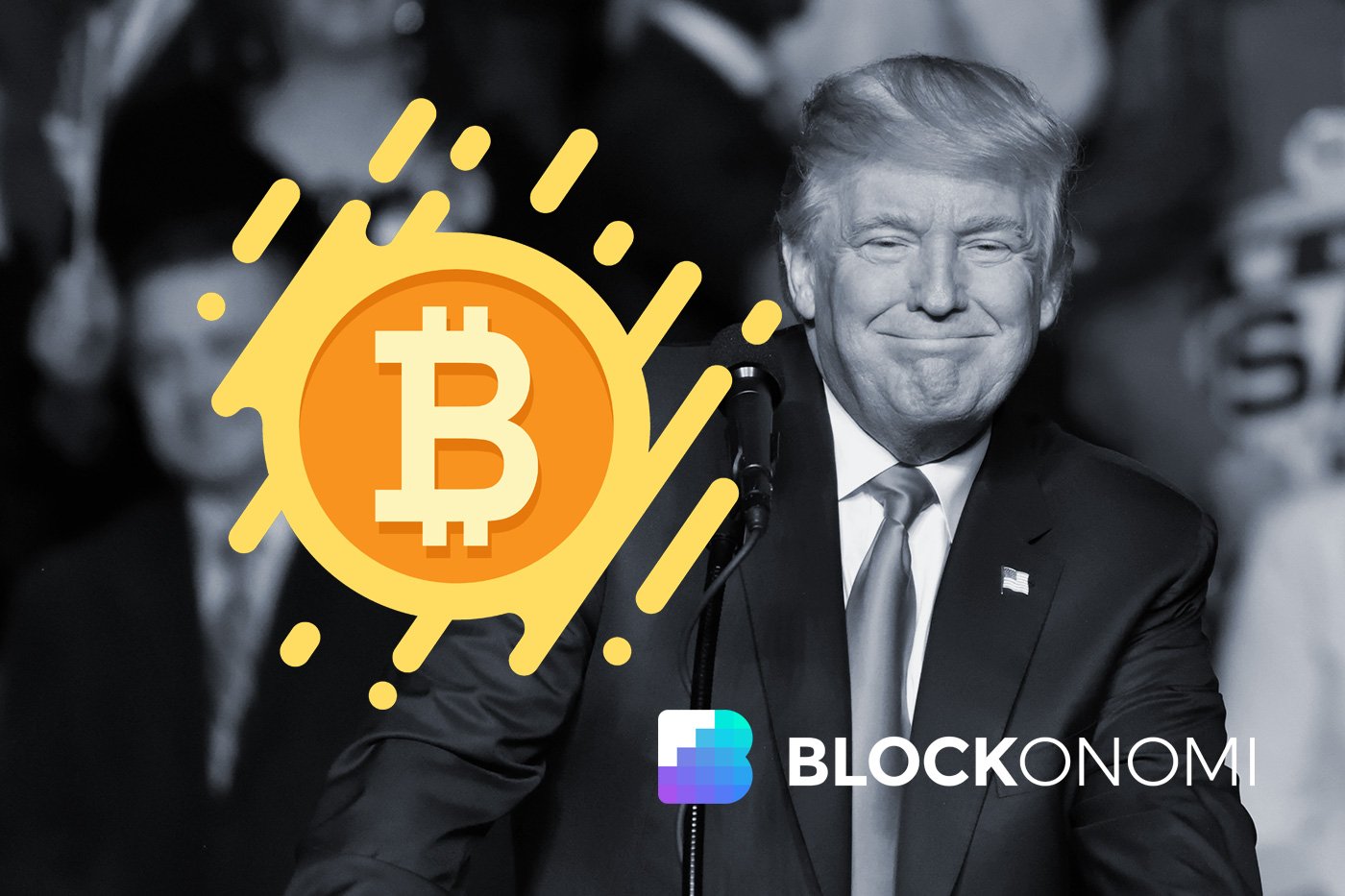
Understanding the Impact of Tariff Policies on Bitcoin Prices
Tariff policies have long been a tool used by governments to regulate trade and influence economic conditions. However, for investors in the cryptocurrency space, these policies can have ripple effects that extend beyond traditional markets, directly influencing Bitcoin and other digital assets.
Bitcoin: A Macro-Sensitive Risk Asset
Bitcoin, often considered a hedge against economic uncertainty, has shown signs of being a macro-sensitive risk asset rather than a defensive store of value in times of economic stress. For instance, during trade tensions and tariff-related escalations, Bitcoin’s price has moved in tandem with equity markets. This behavior reinforces the notion that Bitcoin remains intertwined with broader market behaviors rather than operating independently as a safe haven.
Tariff Policies and Economic Uncertainty
Recent data from 2025 and 2026 highlights the correlation between tariff announcements and Bitcoin’s price fluctuations. As the Trump administration intensified its tariff agenda in this period, economic uncertainties surged, directly affecting corporate profitability and inflation concerns. Investors reassessed their portfolios, with Bitcoin often suffering alongside traditional risk assets during these adjustment periods.
Such economic risks prompt investors to reduce their exposure to cryptocurrencies like Bitcoin, primarily due to their high liquidity. Unlike stocks or other assets that may require longer settlement times, Bitcoin allows for rapid rebalancing during market turbulence.
Tactical Adjustments vs. Panic Selling
It is essential to examine exchange netflow data to understand investor behavior. During tariff-driven market downturns, exchange inflows for Bitcoin spiked. However, these increases have generally proven temporary, signifying tactical adjustments rather than widespread panic selling. Data suggests that long-term holders tend to remain steadfast in their positions, mitigating the potential for sustained selling pressure that could destabilize the market.
Key Insights for Crypto Investors
The connection between monetary policy, trade policies, and Bitcoin prices highlights the importance of being vigilant about macroeconomic indicators. Investors should monitor:
- Exchange inflow and outflow patterns: Sudden surges often indicate short-term adjustments rather than a complete loss of confidence in cryptocurrency markets.
- Tariff-related announcements: Trade tensions can directly impact investor behavior and broader market conditions.
- Monetary policies: Shifts in monetary policy expectations resulting from trade strategies can amplify price corrections.
To navigate volatility, investors might consider diversifying their portfolios. For example, using platforms like Ledger for secure cryptocurrency storage ensures that holdings remain safe during turbulent times.
Final Thoughts
The crypto market’s sensitivity to external factors like tariff policies underscores the importance of a well-rounded investment strategy. As Bitcoin matures as an asset class, understanding its interplay with economic policies becomes vital for long-term success.
For more resources on navigating the cryptocurrency space during uncertain times, consider exploring high-security wallets like Ledger or tracking trends using tools such as CryptoQuant. Staying informed about global economic developments is critical for optimizing your investment strategy.


