Japan’s Bond Market: A Global Ripple Effect
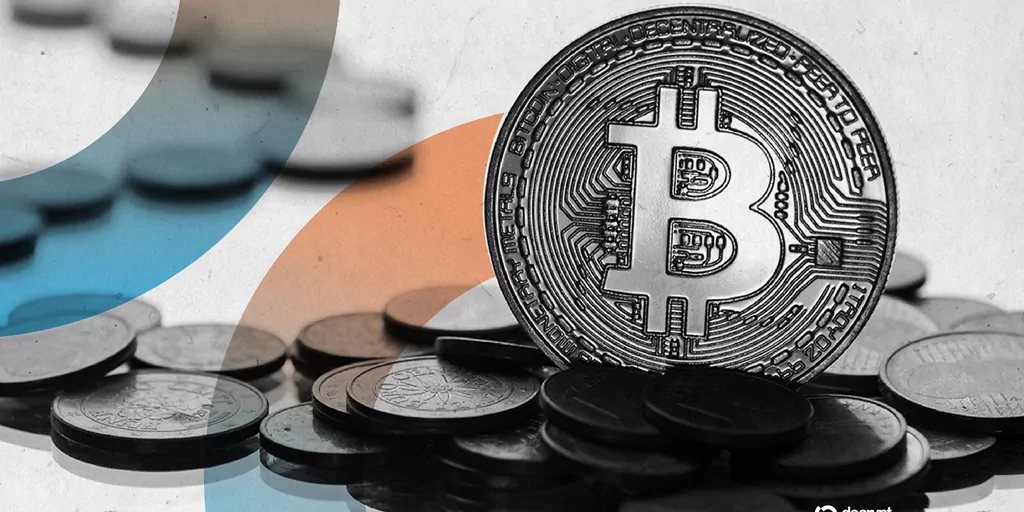
In recent weeks, dramatic volatility in Japan’s bond market has caused a shockwave across global financial markets, tightening liquidity and putting digital assets like Bitcoin under pressure. Investors and economists alike are keeping a close eye on how these developments unfold, as they could reshape the financial landscape.
The Turmoil Explained
The Japanese government bond yields have surged at an unprecedented pace, unseen since 2022. This movement has spilled over into U.S. Treasury markets, driving global interest rates higher. Treasury Secretary Scott Bessent called the event a “six-standard-deviation” shock—an extremely rare and significant fluctuation that underscores the scale of the crisis.
Historically, Japan’s ultra-low interest rates have been a key factor in maintaining cheap borrowing costs worldwide. These rates allowed capital to flow freely into riskier assets, including cryptocurrencies like Bitcoin. However, the current strain on Japan’s bond market threatens to reverse this dynamic, tightening liquidity globally and unsettling investors.
The Impact on Bitcoin and Cryptocurrencies
As Bitcoin dropped by 3.3%, reaching $89,300 as per CoinGecko data, it highlighted its vulnerability to shifts in global liquidity. The turmoil isn’t limited to digital assets; major stock indices also took a hit, with Japan’s Nikkei index dropping 2.5% and the S&P 500 plummeting over 2% during the U.S. trading session.
Gold, a traditional safe-haven asset, surged 4% to an intraday high of $4,866 per ounce—a reflection of investors’ flight to safety amidst financial market turbulence.
What Lies Ahead?
Economists suggest that Japan faces two stark choices: tightening monetary policy to stabilize its bond market, potentially further tightening global liquidity, or refraining from action, risking currency and market instability. According to Quinn Thompson, CIO at Lekker Capital, both options present significant risks.
Quinn argues that Japan’s central bank may opt for aggressive bond-buying programs to “buy time.” This approach could prevent a full-scale market collapse but might also contribute to devaluing the Japanese yen. Such a move underscores Bitcoin’s long-term narrative as a non-sovereign, inflation-resistant asset. Tim Sun, a senior researcher at Hashkey, notes that “a collapse of the government bond market is a pain Japan is far less able to endure compared to currency depreciation.”
The Global Implications
The ongoing volatility shines a spotlight on central banks’ crucial role in addressing financial stress. Should the Bank of Japan resort to money printing as a way to stabilize the market, it could lead to further depreciation of fiat currencies and reaffirm Bitcoin’s position as a hedge against inflation. However, until clarity emerges, markets worldwide remain on edge.
Get Financial Security with Digital Assets
If you’re looking to explore Bitcoin’s potential as an inflation hedge, consider products like Coinbase, a trusted platform for buying cryptocurrency. Stay informed and seize opportunities even amidst financial turbulence.
Stay tuned as we continue to monitor Japan’s monetary policy decisions and their global impact.



