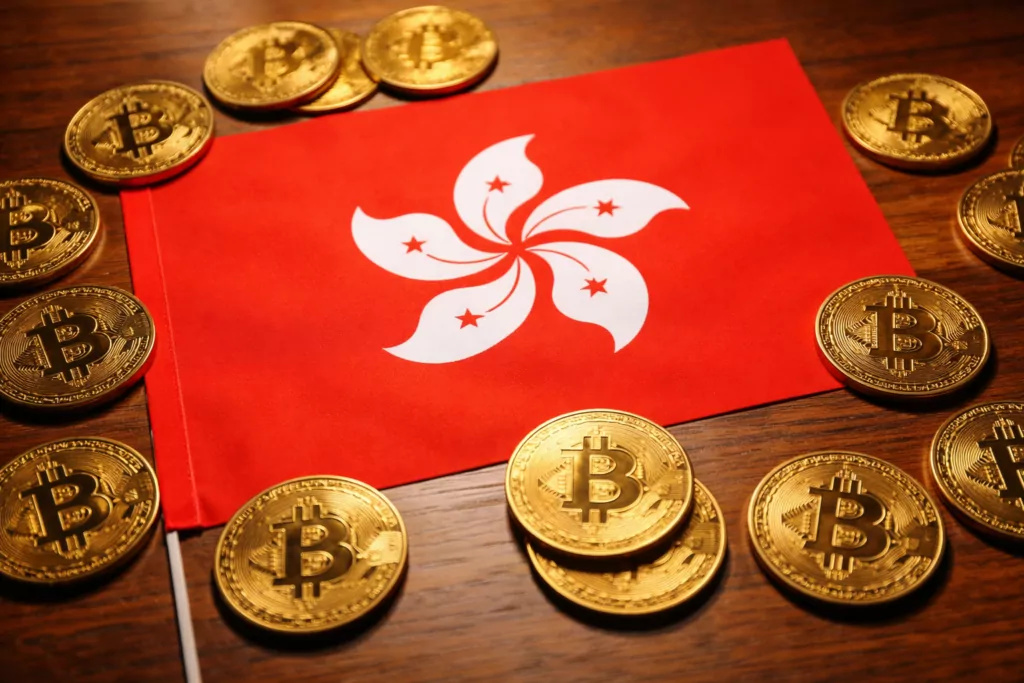
Hong Kong is making headlines in the financial and crypto sectors as its regulators propose stricter rules that could impact the future of asset management in the digital asset space. The Hong Kong Securities and Futures Professionals Association (HKSFPA) has voiced concerns over these proposed changes, which could potentially deter traditional asset managers from engaging in the cryptocurrency market.
What Are the Proposed Crypto Regulatory Changes?
The Securities and Futures Commission (SFC) of Hong Kong has suggested eliminating the longstanding “de minimis” exemption. This waiver currently allows firms holding a Type 9 license for discretionary portfolio and asset management to allocate up to 10% of a fund’s total assets to cryptocurrencies without needing a separate virtual asset management license. Under the new proposal, this exemption would be completely removed, creating an “all-or-nothing” landscape where even a minimal crypto allocation (as low as 1%) would require full licensing.
The HKSFPA argues that the removal of this threshold could impose a disproportionate burden on traditional asset managers who are not seeking to specialize in crypto but instead seek to use it as a means of diversification. This would result in higher compliance costs and complicated regulatory processes, hindering firms from exploring the growing world of digital assets.
Expanding Compliance Requirements
In addition to removing the 10% exemption, the proposed framework aims to expand its regulatory scope across all players managing digital assets. Firms without existing Type 9 licenses that only focus on cryptocurrencies would have to undergo the same licensing procedures as traditional managers, further leveling the playing field but also increasing costs for smaller operators.
The introduction of the OECD-aligned Crypto-Asset Reporting Framework (CARF) further points to Hong Kong’s commitment to stringent oversight. This new framework will govern crypto-related activities with an activity-based regulatory approach, requiring full licensing for any firm engaging in this sector.
Concerns Over Custody Obligations
A significant pain point in the proposed regulations is the requirement for all virtual asset managers to store client assets exclusively with SFC-licensed custodians. The HKSFPA has warned that this rigidity could exclude Hong Kong-based managers from Web3 and digital venture opportunities by discouraging the use of self-custody arrangements or reputable overseas custodians when handling professional investors’ assets. The association has called for greater flexibility in this regard to keep Hong Kong competitive in the global market.
What’s at Stake for Hong Kong?
While the government’s initiative to create a robust regulatory framework for digital assets is widely appreciated, industry players warn that excessively rigid rules could stifle innovation. Rival hubs like Singapore and Dubai, which are taking a more welcoming approach to crypto businesses, might gain an edge as firms look for jurisdictions with fewer obstacles.
The public consultation for these proposals is set to continue until February 6, 2026, with final rules expected to be implemented later this year. Asset managers and other stakeholders will closely watch these developments as the implications could reshape how the industry operates in Hong Kong.
A Tool for Navigating the Complexity
Asset managers facing potential hurdles with these new regulations might benefit from advanced portfolio management software solutions like Morningstar Portfolio Manager. This tool helps streamline compliance processes and provides analytics for diversified portfolios, including digital assets.
Stay updated with the latest developments on crypto and finance regulations, and ensure you’re equipped for the evolving market landscape.



