The State of the Stock Market: A Bubble in the Making?
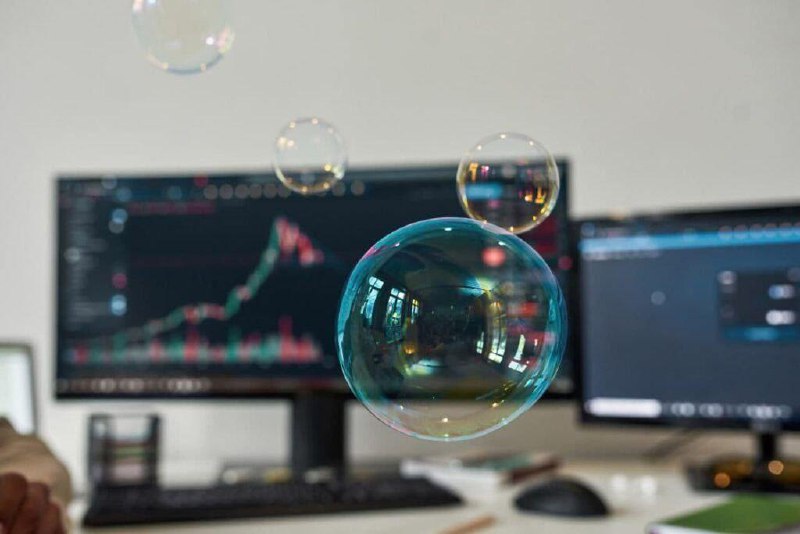
Renowned economist Steve Hanke from Johns Hopkins University has raised concerns about the current state of the stock market, suggesting that we may already be in the midst of a bubble. During a recent interview on The David Lin Report, Hanke emphasized that recent shifts in the Federal Reserve’s monetary policy could be inflating asset prices, with potential long-term consequences for the economy.
Fed’s Shift in Monetary Policy: What’s Happening?
Hanke highlighted the Federal Reserve’s recent moves to loosen monetary policy. December’s Consumer Price Index (CPI) showed headline inflation at 2.7%, well above the Fed’s 2% target. Despite this, the central bank halted quantitative tightening and resumed balance sheet expansion by purchasing $40 billion in Treasury bills. According to Hanke, this marks a significant shift towards “monetizing the deficit,” where increased money supply ultimately leads to higher inflation.
“By any way you measure it, we have a bubble,” Hanke declared. Asset classes like commodities are on the rise, and the economist warns of inflated valuations in the stock market, signifying the presence of underlying fragility.
The Impact on Financial Markets
These policy changes, coupled with political pressure, are driving asset bubbles, according to Hanke. For investors, this could mean a rise in the prices of hard assets. Precious metals, for instance, are already reflecting this shift. Hanke expects commodities like gold, silver, platinum, and copper to remain at elevated levels, while lithium is poised for an upward trend.
For those looking to hedge against market instability, investing in gold and other hard assets might provide portfolio stability. Consider a product like the American Gold Eagle Coin from APMEX, a trusted industry leader in precious metals trading.
What Lies Ahead?
Hanke also criticized proposals like capping credit-card interest rates at 10%, labeling them as misguided price controls. Additionally, regulatory changes could empower commercial banks to expand lending, further fueling asset price growth. He predicts a continued pivot toward looser monetary policies, aligning with political interests.
Investors should brace for a prolonged period of elevated inflation and potential volatility in the financial markets. Staying informed on market trends and diversifying your investments are critical strategies for navigating these uncertain times.