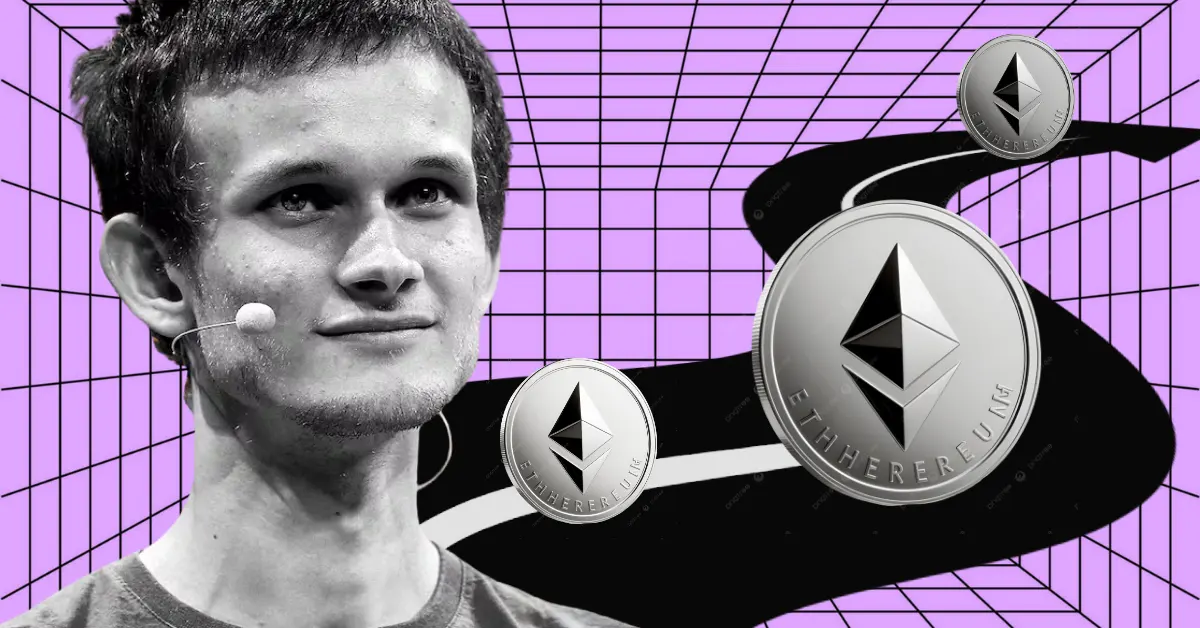
Vitalik Buterin’s Critique of DAOs: A Call for Improvement
Decentralized Autonomous Organizations (DAOs) were once hailed as the future of governance in the cryptocurrency world. However, Ethereum founder Vitalik Buterin has raised concerns that these entities have drifted from their original purpose, potentially jeopardizing the core principles of blockchain technology.
Where DAOs Went Wrong
DAOs were initially designed to manage resources and coordinate activities more efficiently than traditional corporations or governments. Yet, most DAOs today function as token-voting treasuries, relying on a model that, according to Buterin, is flawed.
In a recent tweet, Buterin emphasized, “We need more DAOs – but different and better DAOs.” He identifies inefficiencies and vulnerabilities within token-based governance, such as potential manipulation by large holders and the overtly political, rather than practical, nature of decision-making. These issues, he argues, stem from poor design, not malicious intent.
Key Challenges in DAO Governance
Buterin highlighted two significant challenges hindering DAO participation:
- Lack of Privacy: Public voting makes governance a social game, discouraging honest decision-making.
- Decision Fatigue: Frequent voting can overwhelm participants, reducing long-term engagement.
He proposed solutions such as zero-knowledge proofs for private voting, AI tools to streamline decision-making, and better communication platforms to reach consensus efficiently.
Why Better DAOs Matter
Buterin underscored the importance of DAOs in critical areas, including:
- Managing price oracles for stablecoins and DeFi protocols.
- On-chain dispute resolution for use cases like insurance.
- Maintaining trusted lists, such as verified apps and contract addresses.
Without improvements, he warns, these systems could remain fragile.
Driving the Evolution of DAOs
While some in the crypto community pushed back on Buterin’s critique, others agreed that new governance models are essential. Tools like Chainlink’s corporate-controlled DAO serve as an example of a proactive approach to tackling some of these challenges.
The question remains whether the Ethereum ecosystem will adopt Buterin’s vision and experiment with novel DAO designs to enhance privacy, efficiency, and inclusivity. What’s clear is that a shift toward smarter DAOs could redefine the future of decentralized governance.
Recommended Product for Exploring Blockchain
If you’re interested in delving deeper into DAO technology and blockchain governance, consider the book “Blockchain Revolution” by Don and Alex Tapscott. This bestselling guide provides a comprehensive look at blockchain’s transformative potential, making it ideal for enthusiasts and experts alike.


