Cryptocurrency mining has gained popularity as a potential avenue to generate profits in the digital era. However, many miners overlook a vital aspect that directly impacts their earnings: mining pool fees. In this article, we’ll explore what mining pool fees are, the different fee structures available, and how to optimize your mining strategy for maximum profitability.
What Are Mining Pool Fees?
Mining pool fees are charges levied by cryptocurrency mining pools as compensation for utilizing their infrastructure and computational resources to process transactions on a blockchain network. Essentially, these fees cover operational costs, infrastructure maintenance, and the associated risks of running a mining pool. Understanding these fees is crucial for miners aiming to achieve long-term profitability.
Common Mining Pool Fee Structures
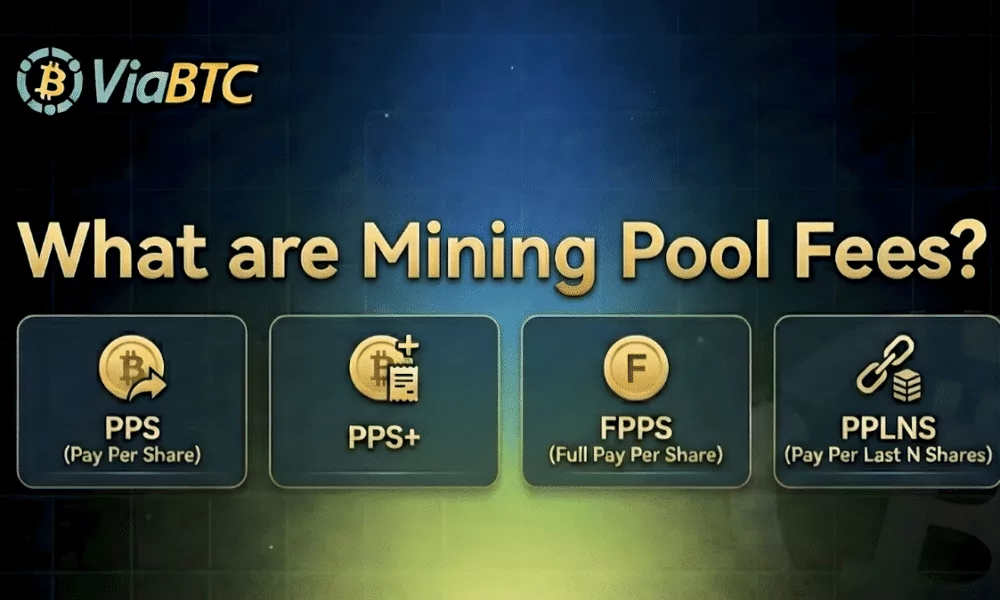
1. PPS (Pay-Per-Share)
The PPS fee structure offers miners a fixed payment for every valid share they contribute, regardless of whether a block is discovered by the mining pool. While this model ensures predictable daily payouts, it often features higher fees—up to 7%. Additionally, miners under the PPS structure do not benefit from transaction fees included in mined blocks.
2. PPS+ (Pay-Per-Share Plus)
As an enhancement to the PPS model, PPS+ includes both block rewards and transaction fees. Miners receive fixed payments for shares submitted, often at lower fees (around 2-4%). This makes it more favorable for those looking to balance predictable earnings while participating in transaction rewards.
3. FPPS (Full Pay-Per-Share)
FPPS takes the benefits of PPS+ one step further by averaging transaction fees over time and distributing them to miners. This model not only guarantees payment for block rewards but also provides an additional 3-5% income compared to the PPS model. The slightly lower fees charged by pools ensure operational costs are covered while maximizing miners’ returns.
4. PPLNS (Pay-Per-Last-N-Shares)
Unlike other models, PPLNS payouts depend on the actual discovery of blocks by the mining pool. Fees for PPLNS tend to be the lowest, ranging from 0-2%. However, payouts can vary greatly depending on the pool’s luck, making this structure riskier but potentially more lucrative when multiple blocks are discovered.
Hidden Costs and Profitability Considerations
Beyond overt fees, miners must also be cautious about hidden costs, such as withdrawal fees, hardware depreciation, and electricity expenses. These can significantly impact overall earnings. Choosing a mining pool with transparent fee structures and low operational costs is essential to maximize your returns.
Choosing the Right Model for Your Needs
When selecting a mining pool, consider your equipment capabilities, operational cost budget, and risk tolerance. For example, miners with high-performance equipment may find PPLNS more rewarding, while those prioritizing stability might prefer FPPS or PPS+ models.
Optimize Your Setup
To further boost earnings, consider hardware upgrades or energy-efficient solutions. For instance, the Antminer S19 from Bitmain is a high-efficiency ASIC miner designed for optimized performance in various mining setups. You can explore this product to align your mining hardware with your profitability goals.
Conclusion
Understanding mining pool fees and their impact on cash flow is critical for maximizing cryptocurrency mining profitability. By selecting the right fee structure and considering associated factors like hidden costs and hardware efficiency, miners can enhance their returns while minimizing risks. Always research pools thoroughly and make informed decisions to ensure long-term success in the cryptocurrency mining landscape.