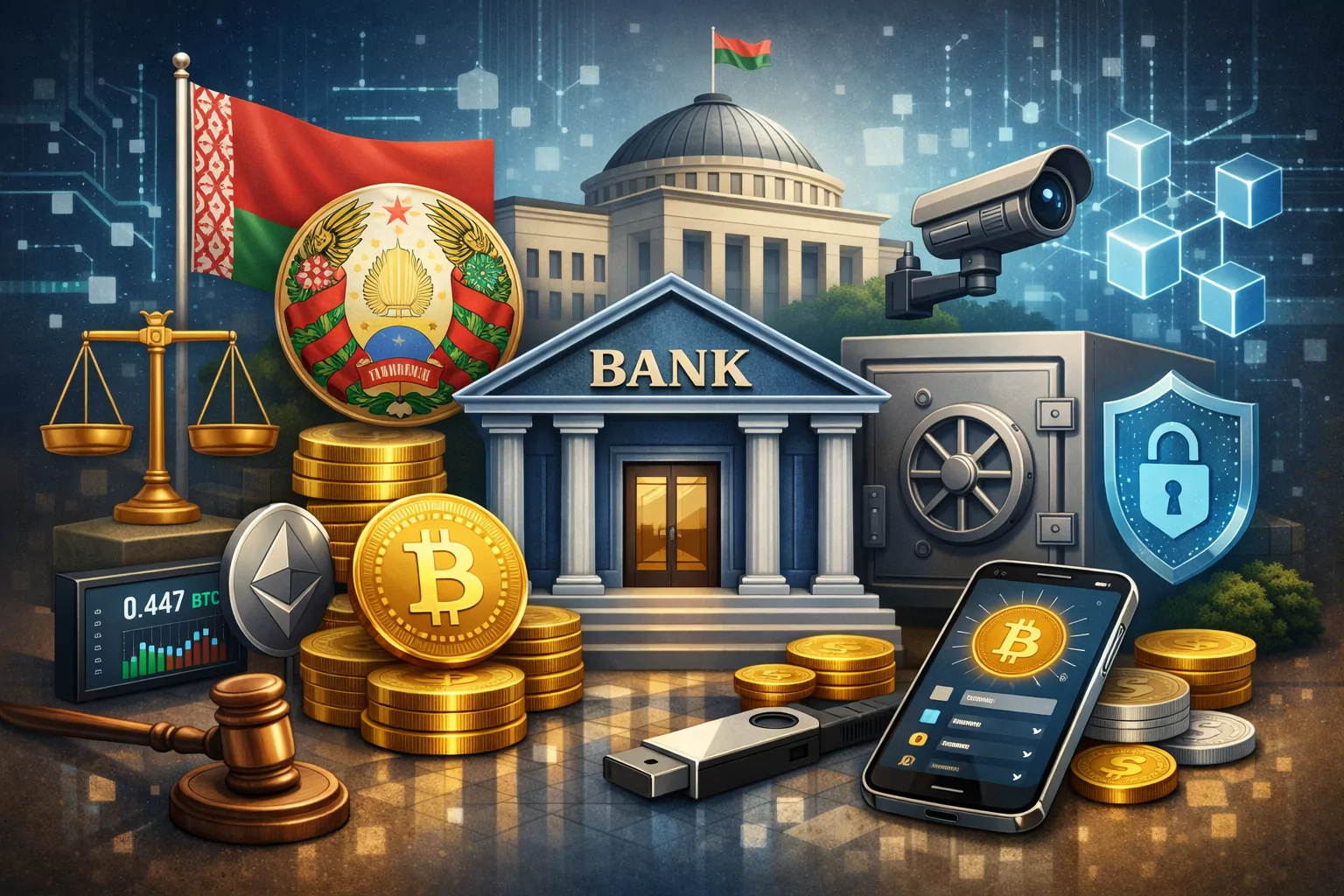
In a groundbreaking move, Belarus is revolutionizing its financial system by integrating cryptocurrency as part of its mainstream banking structure. The move comes through the introduction of Decree No. 19, signed by President Alexander Lukashenko, which establishes legal and operational guidelines for ‘cryptobanks,’ making Belarus a pioneer in state-regulated crypto innovation.
What Are Cryptobanks?
According to the decree, cryptobanks in Belarus are joint-stock companies that seamlessly merge traditional banking functionalities with token-based transactions. This includes payment services, financial activities, and crypto-related services, all unified within a well-defined and regulated framework.
The vision is clear: instead of isolating cryptocurrency as a separate entity, Belarus aims to integrate it into its established banking system. Cryptobanks are viewed as legitimate financial institutions governed by the same financial oversight and legal structure as traditional banks. This ensures transparency, compliance, and, most importantly, traceability within the crypto industry.
The Hi-Tech Park: A Gateway for Cryptobanks
Crucial to this development is Belarus’s Hi-Tech Park (HTP), a state-backed technological hub at the heart of the country’s digital strategy. To qualify as a cryptobank, firms must first obtain residency within the Hi-Tech Park. Furthermore, the central bank has set up an official cryptobank register, ensuring a high level of supervision and limiting participation to entities that comply with strict regulatory protocols.
This dual oversight model links cryptobank operations to regulatory decisions issued both by the financial sector and the supervisory board of the Hi-Tech Park. This framework provides the necessary checks and balances to encourage innovation while keeping crypto activities closely monitored.
A Controlled Approach to Innovation
The new structure prioritizes tightly controlled access to the crypto market. Only organizations that adhere to the guidelines laid down by Decree No. 19 are allowed to operate, ensuring that digital asset services are provided under stringent government oversight.
By implementing this model, Belarus is creating a fertile environment for innovative financial products that integrate the efficiency of blockchain technology with the security of traditional banking systems. For instance, licensed cryptobanks can legally provide token-based payment solutions, giving users a seamless yet secure way to participate in the digital economy.
Impact on the Crypto Sector
This approach sends a message to the international community: Belarus is betting on digital assets but on its own terms. The country positions itself as a leader in state-regulated crypto adoption by keeping a firm grip on who gets to play in the sandbox. It showcases how governments can foster innovation without losing control over the financial system.
Ready to Join the Crypto Movement?
If you’re diving into the cryptocurrency world and need a secure wallet, consider the Ledger Nano X. This top-rated hardware wallet allows you to store your Bitcoin, Ethereum, and other digital assets with maximum security. Whether you’re a beginner or a seasoned investor, Ledger ensures that your crypto assets are safe from online vulnerabilities.
As more countries explore state-regulated crypto models, Belarus’s cryptobank framework could very well serve as a blueprint for future policies worldwide. Stay tuned as this development unfolds!


