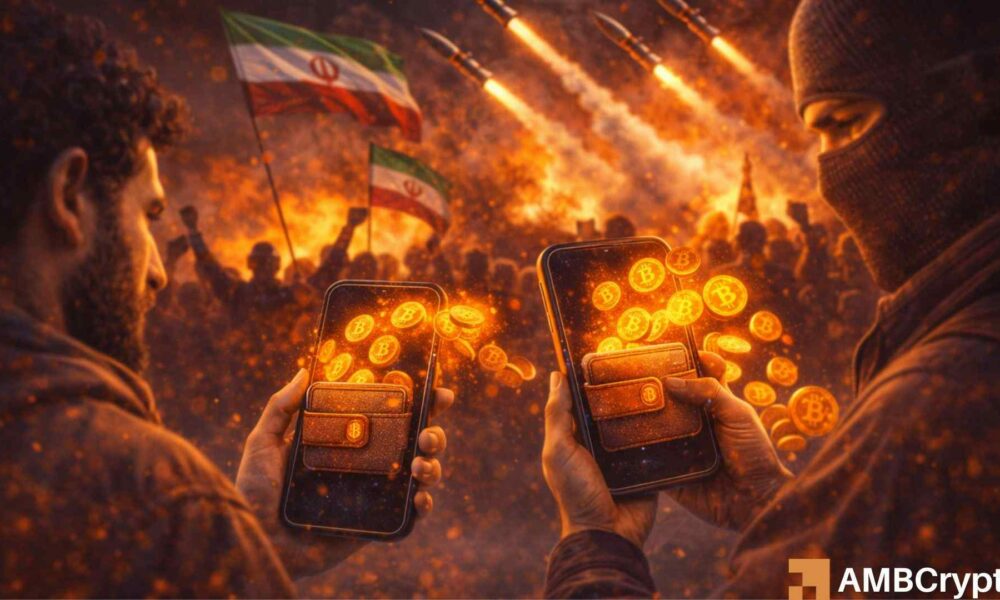
In a world marked by constant geopolitical unrest, cryptocurrencies have emerged as a beacon of hope for individuals living in fragile economies. Iran, amid its ongoing turmoil, has witnessed a significant uptick in crypto activity. According to a recent report by blockchain analytics firm Chainalysis, crypto transactions in Iran reached a record $7.8 billion in 2025, reflecting the populace’s growing reliance on digital assets amidst economic instability.
The Collapse of the Rial and Its Ripple Effect
With the value of the Iranian Rial plummeting against the U.S. dollar, citizens have been forced to find alternative ways to safeguard their wealth. In fact, many Iranians have turned to Bitcoin (BTC) and other cryptocurrencies, viewing them as a hedge against their failing currency.
The collapse of the Rial has rendered most local savings worthless. Amid escalating protests and external pressures, transfers from Iranian exchanges to personal BTC wallets have surged. Reports indicate a triple-digit growth in withdrawals, reinforcing Bitcoin’s status as a neutral, censorship-resistant asset during crises. Iranians increasingly move funds into self-custody wallets, ensuring both security and freedom from regulatory oversight.
Crypto’s Role in Bypassing Financial Restrictions
Unlike traditional financial systems, Bitcoin allows users to bypass censorship and international sanctions. This has proven crucial in Iran, a country often targeted by sanctions. The decentralized nature of crypto ensures that citizens can preserve wealth, even during periods of social and political upheaval.
During recent protests in Iran, medium and small BTC withdrawals surged by 123% and 78%, respectively, illustrating how individuals have been leveraging crypto technology to adapt to their nation’s economic challenges. Self-custody wallets provide people with autonomy and protection, especially during unrest.
Challenges of Increased Crypto Activity
However, Iran’s growing reliance on crypto has drawn both domestic and international scrutiny. The Islamic Revolutionary Guard Corps (IRGC), for instance, utilizes cryptocurrencies to fund operations and evade sanctions. This has led to increased risks, such as crypto hacks targeting local exchanges like Nobitex.
Despite these challenges, the continued adoption of Bitcoin by Iranian citizens remains a rational response to the economic collapse of their local currency. Leveraging the decentralized financial ecosystem enables them to escape the constraints of traditional, centralized banking systems.
Preserving Wealth With Crypto: A Relevant Product
For readers interested in securing their digital assets, self-custody wallets like the Ledger Nano X provide an excellent solution. These hardware wallets allow users to protect their cryptocurrency investments from external threats while maintaining full control over their funds.
Concluding Thoughts
As geopolitical tensions persist, cryptocurrencies like Bitcoin offer a valuable lifeline for individuals facing economic volatility. Iran’s $7.8 billion rise in crypto activity is a testament to Bitcoin’s resilience and its growing utility in uncertain times. By safeguarding funds through decentralization, citizens can navigate challenges such as inflation, sanctions, or political unrest with greater confidence.