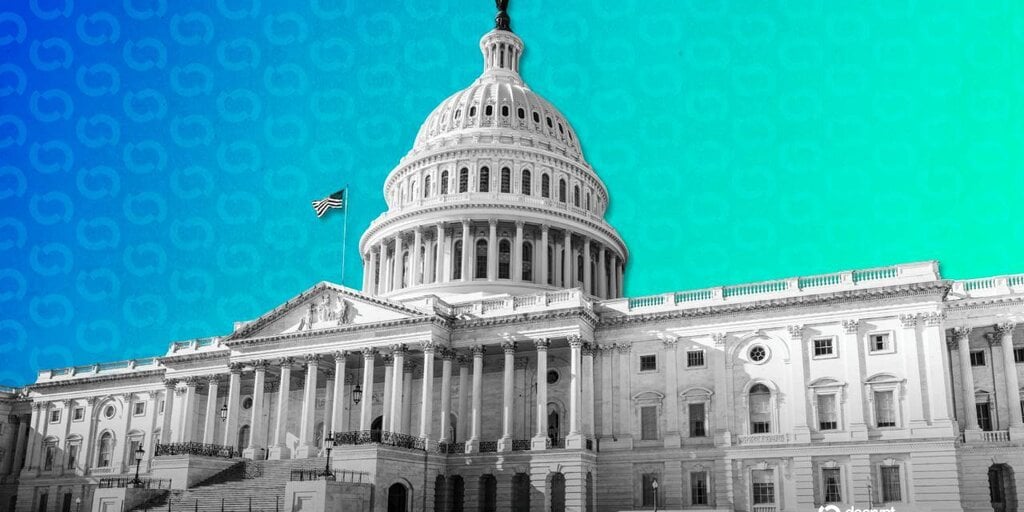
The Senate Banking Committee has announced a delay on the markup of a critical bipartisan cryptocurrency market structure bill, further extending uncertainty around the future of U.S. crypto regulations. This decision has sparked intense reactions within the crypto industry, as support for the bill appears to be waning among key players.
Delay Raises Questions About Legislative Progress
On Wednesday, Senate Banking Committee Chair Tim Scott released a statement affirming that discussions with leaders across the crypto industry, financial sector, and Congress were continuing in “good faith.” The bill aims to clarify regulatory jurisdiction between the Securities and Exchange Commission (SEC) and the Commodity Futures Trading Commission (CFTC), while also establishing a federal framework for overseeing digital asset markets. If enacted, it would become the first comprehensive federal statute governing crypto markets, replacing the current reliance on regulatory guidance and litigation.
However, the delay adds another layer of uncertainty. The Senate Agriculture Committee, which shares jurisdiction over the legislation, had previously postponed its own markup. As a result, both committees must complete their markups before the bill can advance, pushing the timeline for a resolution even further.
Industry Concerns Over Surveillance & Consumer Trust
The bill’s current draft has faced significant scrutiny from the crypto industry. Giants like Coinbase have publicly withdrawn their support, citing risks of exacerbating uncertainty for developers and users. Some experts are concerned that certain provisions would expand enforcement powers and enable monitoring measures reminiscent of the PATRIOT Act, which could damage consumer trust in digital asset markets.
Jonathan Inglis, CEO of crypto-focused research firm Protocol Theory, highlighted a controversial provision that would allow rapid transaction interruptions without court orders. “Consumers adopt digital money for speed and simplicity, but excessive monitoring and control mechanisms at the transaction level could have major trust consequences,” Inglis shared. Recent data suggests that nearly 67% of U.S. crypto users report delayed fund access as a significant frustration, a problem that could be exacerbated by these expanded enforcement powers.
What the Delay Means for Crypto Markets
Despite the hurdles, analysts like Gerry O’Shea, head of global market insights at crypto asset manager Hashdex, believe the bill could serve as a key catalyst for the industry. Specifically, altcoins stand to benefit significantly if the bill provides much-needed regulatory clarity. “It’s one of the biggest potential catalysts for altcoins this year, assuming the bill passes,” O’Shea commented, though he pegged the likelihood at just 60%.
Preparing for the Future of Crypto Regulation
As the debate continues, both industry leaders and lawmakers appear united in one goal: defining clear and fair regulations to guide the rapidly evolving cryptocurrency landscape. The outcome of these deliberations could have far-reaching effects on the future of finance, consumer protections, and America’s role as a leader in technological innovation.
For those navigating the crypto space, maintaining compliance and understanding potential regulations is paramount. Tools like the Coinbase Wallet can help users securely store and manage their crypto assets, while also providing resources for staying informed on industry developments. As the landscape evolves, staying prepared will be key.