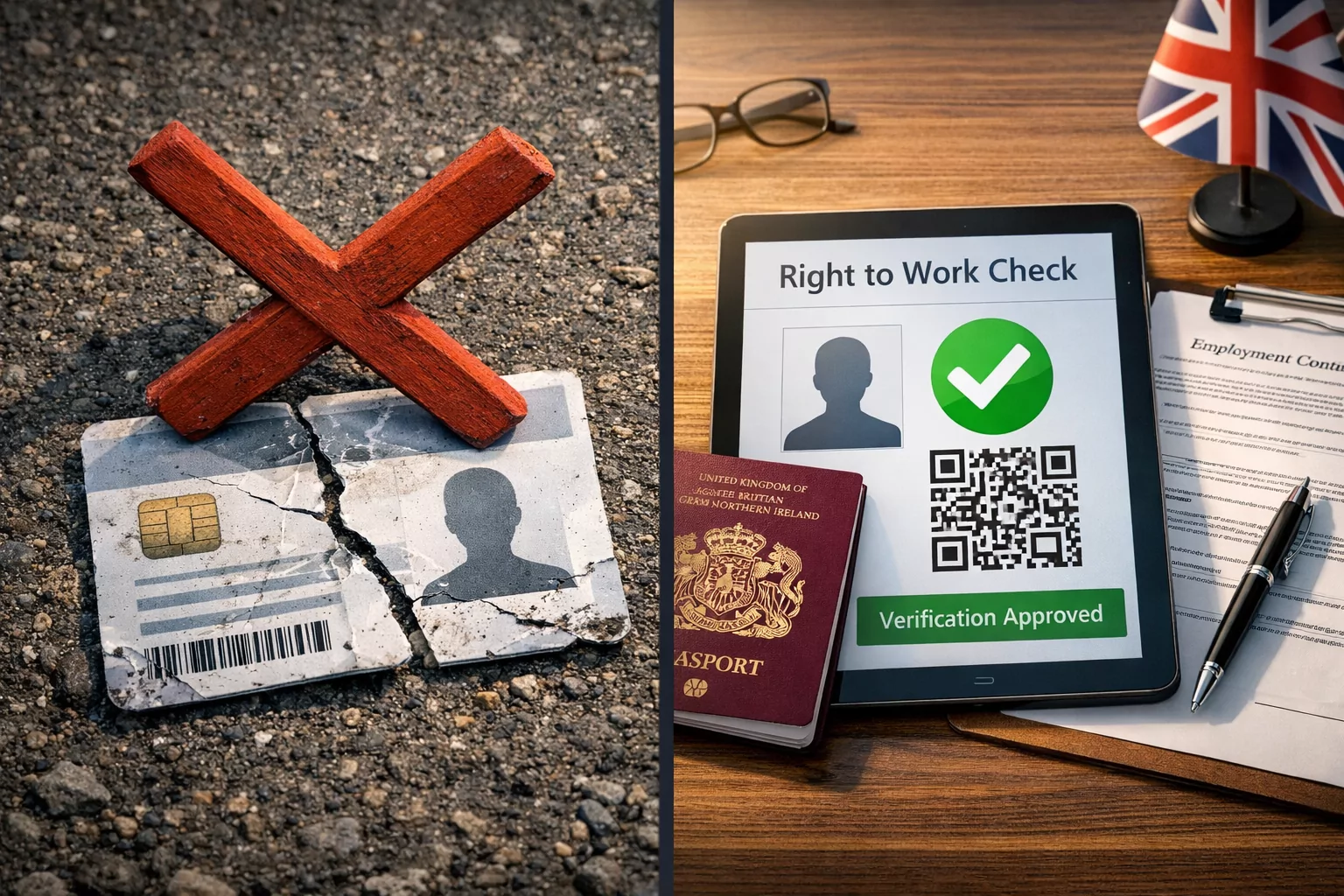
UK Government Alters Course on Mandatory Digital IDs for Workers
In a significant policy shift, the UK government has announced it will no longer pursue mandatory digital ID cards for workers, following widespread criticism and public opposition. This decision marks a win for civil liberties advocates and highlights ongoing concerns over digital privacy and government surveillance.
What Was the Proposal?
The original plan, spearheaded by Prime Minister Keir Starmer’s administration, aimed to implement government-issued digital credentials. These IDs would have been required for employees to verify their right to work, replacing traditional verification methods like passports and physical documents.
However, the proposal sparked a massive backlash, with nearly three million people signing a parliamentary petition against it. Civil liberties groups argued that a centralized digital ID system could lead to overreach and create vulnerabilities for misuse or data breaches.
Key Concerns About Digital IDs
- Privacy Invasion: Critics feared a centralized system would give the government extensive surveillance capabilities, paving the way for an “Orwellian nightmare.”
- Data Security Risks: By storing sensitive personal data in a single system, the proposal risked creating a high-value target for hackers.
- Mission Creep: Opponents warned that a system initially created for employment verification could be expanded to other areas like housing, banking, and even voting.
Rupert Lowe, a UK Member of Parliament, and Reform UK leader Nigel Farage were among prominent voices celebrating the decision. In a video shared on social media, Lowe expressed his relief, calling the rollback a victory for individual liberty.
What Happens Next?
Although the mandatory digital ID plan has been shelved, digital right-to-work checks remain compulsory. The revised scheme, which is expected to roll out around 2029, will offer digital IDs as an optional tool alongside alternative electronic documentation.
This policy adjustment aligns with broader discussions across the globe about balancing security and privacy for digital identification systems. The European Union, for instance, is working on a digital identity framework that incorporates privacy-focused innovations like zero-knowledge proofs, enabling secure verification without revealing unnecessary personal data.
Blockchain and Decentralized Identity
The pushback against centralized digital IDs has fueled interest in decentralized solutions. Innovative blockchain systems can offer more secure options for identity verification without requiring a single authority to manage sensitive data. Tools leveraging privacy-focused technologies, such as zero-knowledge credentials, are gaining attention as alternatives.
Certain blockchain platforms and privacy coins like Monero (XMR) and Zcash (ZEC) are also notable examples of how privacy can be integrated into digital systems, ensuring user data stays secure and anonymous.
Privacy Tools to Consider
As digital ecosystems continue to evolve, privacy-conscious individuals may consider adopting technologies to protect their personal information. For example, Ledger hardware wallets provide a secure option for managing digital assets. With advanced encryption, they help users maintain control over their sensitive data and financial transactions, an important aspect of personal privacy in the digital age.
Moving Forward
The UK’s modified approach to digital IDs serves as a key milestone in the broader global conversation about how to manage identity verification in a digitized world. Public resistance has demonstrated the importance of safeguarding civil liberties and designing systems that prioritize privacy and security. Watch this space as governments and organizations explore innovative privacy-preserving technologies to meet the challenge.