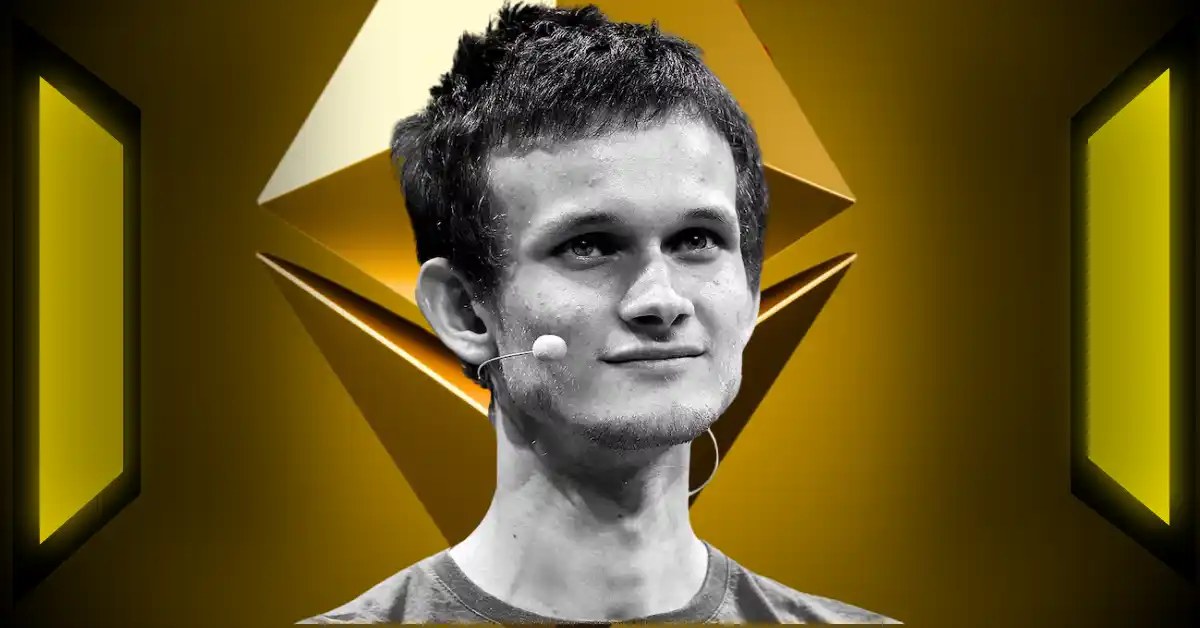
Ethereum co-founder Vitalik Buterin is reviving the original vision of decentralized technology, highlighting its potential to become a robust alternative to Big Tech’s dominance. In a post on X (formerly Twitter), Buterin reminisced about Ethereum’s inception in 2014, which leaned heavily on creating permissionless, decentralized applications (dApps) aimed at reshaping industries like finance, social media, and even governance.
The Forgotten Vision: From Decentralization to Hype
Buterin emphasized that Ethereum wasn’t initially meant to be solely about cryptocurrency trading or NFTs, but a complete ecosystem of decentralized applications. He commented, “In 2014, there was a vision: decentralized tools for finance, governing organizations, crowdfunding, and more, an entire alternative web. But over time, much of the focus shifted toward trends like DeFi, NFTs, and memecoins.”
These trends momentarily obscured the original mission, but according to Buterin, the idea of decentralized applications as practical tools never disappeared.
The Technology Is Ready
The good news? The underlying infrastructure has matured. Ethereum now operates on a proof-of-stake consensus, which reduces its environmental impact. Scalability solutions like ZK-EVMs and Layer 2 rollups have drastically improved transaction speeds and lowered costs. In addition, decentralized alternatives for messaging, file sharing, and more are becoming viable.
Take, for instance, Fileverse, a decentralized alternative to Google Docs. Unlike its centralized counterpart, Fileverse allows you to retain full control of your documents. Even if the platform itself shuts down, your files remain accessible—a concept Buterin terms the “walkaway test.”
What’s Next for Decentralization?
Vitalik Buterin urges developers to stop working in theory and start focusing on building practical, user-oriented applications. “The tools are finally advanced enough for real-world use,” he stated. From collaborative platforms to decentralized financial tools, the opportunities for innovation are endless.
Looking to explore decentralized technologies? You can start by exploring apps like Fileverse, or check out MetaMask, the trusted crypto wallet and gateway to dApps, which allows users to interact securely with the decentralized web.
Decentralized Tech vs. Big Tech
Vitalik took a critical stance against the subscription-driven, centralized tech ecosystem. From dishwashers that require monthly fees for extra features to apps prone to geopolitical restrictions, centralized systems are fraught with limitations. Decentralized alternatives, on the other hand, emphasize user ownership and autonomy.
“We don’t need another tool that locks users into subscriptions and collects endless data. It’s about creating technology that empowers individuals,” Buterin concluded. The Ethereum co-founder believes that with today’s advancements, the promise of decentralization could return stronger than ever.
As we advance into the next phase of blockchain’s evolution, it’s clear that the decentralized renaissance isn’t just a concept—it’s here. Now is the time for builders and users alike to embrace the rise of true Web3 applications.



