Ripple’s Silence on XRP: The Backstory
Ripple, a prominent blockchain company, has played a significant role in the cryptocurrency world, and part of its rise has been its calculated approach to promoting XRP. But behind the stillness surrounding XRP lies a bigger story shaped by regulatory fears and strategic foresight.
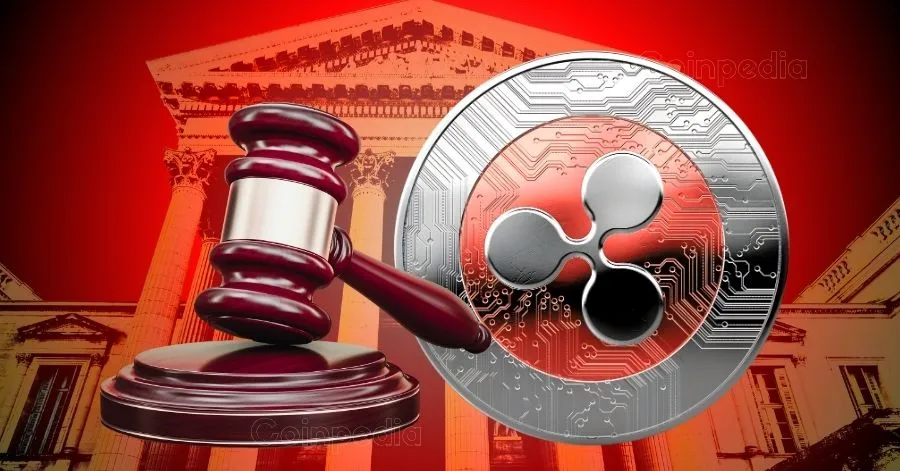
According to Ripple attorney Bill Morgan, the company intentionally kept quiet about XRP to avoid strengthening the SEC’s (Securities and Exchange Commission) argument that XRP is an unregistered security. Ripple understood the risk as early as 2013 and made deliberate moves to prevent potential SEC litigation. Despite their caution, the SEC still launched an investigation in 2018 and filed a high-profile lawsuit.
How Ripple’s Strategic Silence Protected XRP
Between 2018 and 2020, Ripple took a backseat in promoting XRP while Bitcoin and Ethereum were enjoying widespread attention. During this time, Ethereum even received public backing from SEC officials, and key figures like Michael Saylor openly advocated for Bitcoin.
Ripple, however, refrained from marketing XRP directly. Instead, the company made indirect moves to enhance its ecosystem, such as through acquisitions and introducing RLUSD, its stablecoin. Despite these efforts, the public perception of Ripple’s activity remained subdued.
The Clarity Act: A Turning Point for XRP?
Now, with a draft provision in the U.S. Clarity Act, the tables could finally turn for Ripple. The act, which states that any token used as a primary asset in a U.S.-listed ETF by January 1, 2026, would no longer be treated as a security, marks a monumental shift. This provision could legitimize XRP’s status in ways that years of legal battles never could.
For Ripple, this creates possibilities for broader adoption and functional innovation that were restricted for years. Developers like Wietse Wind view the lawsuit as both a hindrance and a catalyst for growing brand awareness. However, critics like Morgan believe the inability to publicly promote XRP has undeniably slowed its adoption.
Explore the Ripple Ecosystem
For anybody invested in the future of XRP, one way to stay involved is by utilizing tools and wallets designed for the broader Ripple ecosystem. Products like the Ledger Nano X wallet (shop here) provide secure storage for XRP, giving holders peace of mind in an increasingly regulated market.
Key Takeaways
Ripple’s legal strategies and the broader cryptocurrency market rules are continuously evolving. Whether the Clarity Act passes and shields XRP from securities law or not, Ripple’s calculated silence during critical moments demonstrates the importance of regulatory awareness in blockchain innovation. As investors and developers continue to navigate the uncertainties of crypto regulation, Ripple provides a unique case study in balancing growth with compliance.



