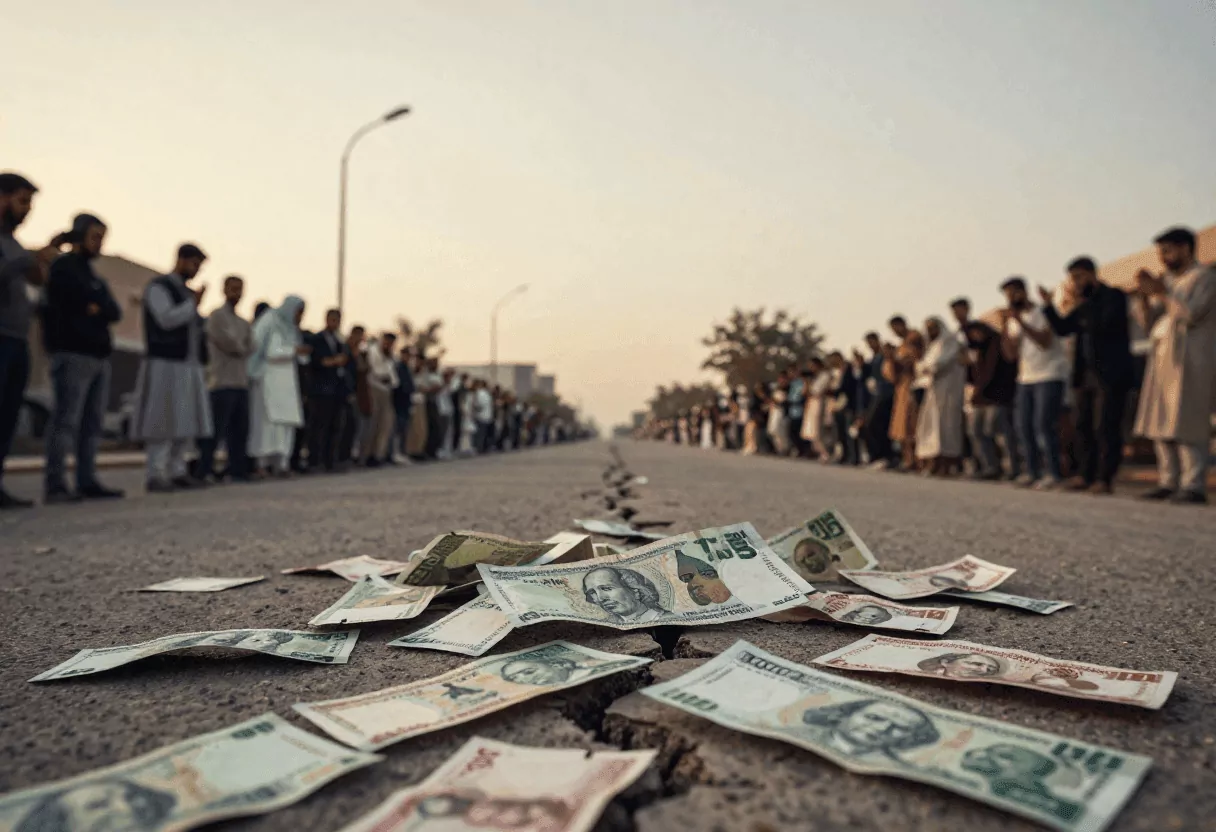
Iran’s Rial Crash: A Financial Crisis Unfolding
In recent weeks, Iran’s economy has faced a devastating blow as the Iranian Rial (IRR) has plummeted by a staggering 96% in just 30 days. With the black market exchange rate nearing 1.5 million Rials per US Dollar, the nation is gripped by economic chaos. For many citizens, preserving their savings and financial security has become an urgent challenge.
What’s Driving the Rial’s Collapse?
The crash of the Rial is attributed to a combination of domestic unrest and international sanctions. Anti-government protests have surged across the nation, fueled by skyrocketing food prices and the removal of key subsidies. At the same time, U.S. imposed tariffs on trade with Iran have added pressure, resulting in a paralyzed economy.
Geopolitical instability also contributes to the situation. Former U.S. President Donald Trump hinted at potential diplomatic breakthroughs, though military action remains on the table. For most Iranians, these uncertain times have pushed them to seek alternative ways to secure their wealth.
Bitcoin and Crypto: The Safe Havens for Iranians
In the face of hyperinflation and devaluation, Iranians have turned to cryptocurrencies like Bitcoin and Tether (USDT). Unlike the Rial, digital currencies offer borderless and decentralized alternatives that are less susceptible to government interference. Tether, often referred to as a “digital dollar,” is increasingly being utilized by families to store value and hedge against hyperinflation.
According to data from local markets, there’s been a significant rise in crypto adoption within Iran. For many citizens, the volatility of cryptocurrencies is seen as a safer bet than the rapidly devaluing Rial. Peer-to-peer trading platforms and hardware wallets are also gaining traction, providing a way for Iranians to maintain financial sovereignty.
The Role of Crypto in Economic Resilience
To many experts, Iran’s crisis is testing the real-world utility of cryptocurrencies during economic downturns. With the Rial’s downward spiral, the move toward a decentralized economy appears inevitable. Whether through direct crypto trading or securely storing wealth via hardware wallets, Iranian citizens are finding ways to bypass traditional financial systems.
If you’re seeking to protect your financial assets during similar volatile times, consider trusted hardware wallets like the Ledger Nano X. This wallet ensures your private keys stay secure, offering peace of mind in unstable conditions.
Conclusion: Is Bitcoin Leading the Shift in the Middle East?
As Iran’s economic collapse accelerates, cryptocurrencies are proving to be more than just speculative assets—they’re becoming a lifeline for financial stability. While the future is uncertain, one thing is clear: the demand for decentralized currencies is only set to rise in regions facing similar crises. For both investors and citizens in troubled economies, crypto might just be the ultimate escape.