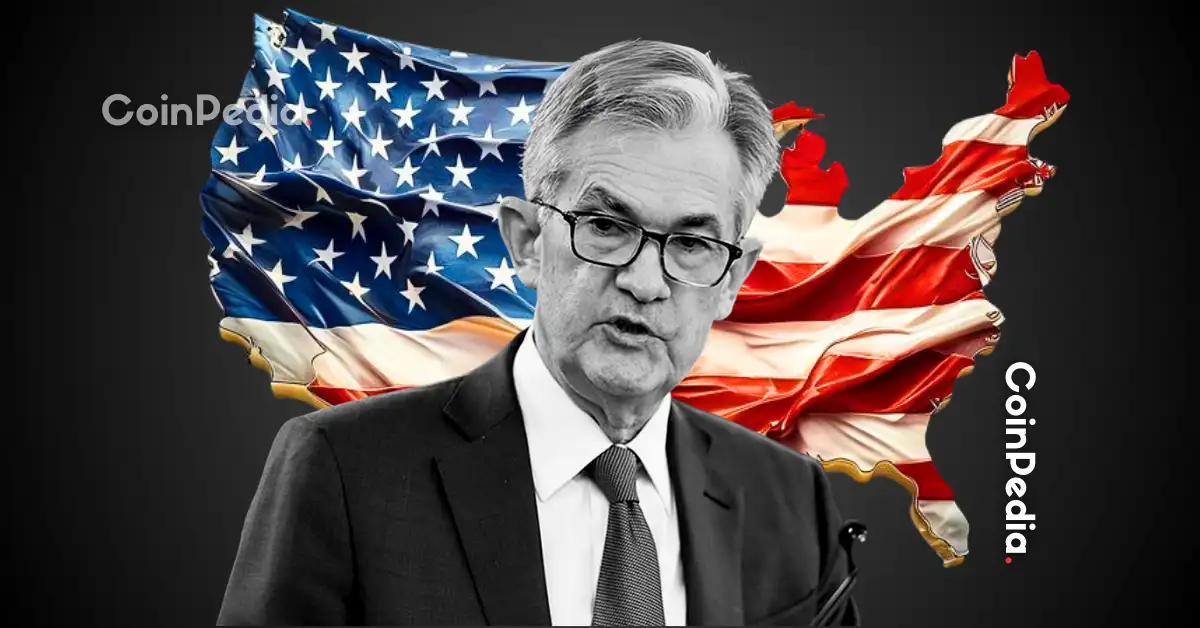
The Federal Reserve’s independence has come under scrutiny as an investigation involving its Chair, Jerome Powell, makes headlines. This development raises concerns about the intersection of politics and monetary policy, significantly impacting market dynamics.
Why Is Jerome Powell Under Investigation?
A criminal probe spearheaded by the U.S. Justice Department focuses on the renovations of the Federal Reserve’s headquarters. Questions are being raised about whether Powell provided misleading information to Congress regarding the costs and scope of the project. However, Powell has been vocal in emphasizing that the inquiry is politically motivated, connecting it to the Trump administration’s dissatisfaction with his monetary policy decisions.
“This investigation isn’t about a building,” Powell stated. “It’s about the Federal Reserve’s ability to set policy based on economic data rather than succumbing to political influence.”
The Politics Behind Monetary Policy
Former President Donald Trump has consistently criticized Powell for maintaining higher interest rates, arguing that aggressive cuts would better support economic growth. Trump’s tensions with Powell escalated to the point where he reportedly considered firing him, alongside other high-ranking officials at the Fed.
This conflict underscores a larger issue: Can the Fed maintain its role as an independent body governing U.S. monetary policy, or will it face increasing pressure from political entities?
Market Impacts and What’s at Stake
As the investigation unfolds, financial markets are keeping a close eye on developments. The outcome could influence Powell’s legacy, not to mention the direction of the Federal Reserve’s policies. With Powell’s term ending in May, speculation is growing over potential replacements. Reports suggest loyalists of the previous administration, such as Kevin Hassett, are being considered. This raises concerns that the Fed may shift towards politically driven decision-making rather than data-driven analysis.
On the board, appointees such as Stephen Miran have already advocated for bold rate cuts, a glimpse of what could come if the central bank loses its autonomy.
Why Financial Independence Matters
The Federal Reserve’s independence is critical to maintaining a healthy economy. Allowing political agendas to influence monetary policy not only destabilizes markets but also erodes global trust in the U.S. financial system. Powell’s firm stance against external influence is a reminder of the delicate balance required to safeguard the economy during these turbulent times.
Product Spotlight: Keep Tabs on the Markets with the Bloomberg Terminal
Stay ahead of economic and financial developments with the Bloomberg Terminal. With real-time data, expert analysis, and industry insights, it’s a must-have tool for market professionals. Learn more here.
As this story evolves, one thing remains clear: The Federal Reserve’s independence is essential for the stability of both U.S. and global markets. Whether this investigation will mark a turning point remains a critical question that only time—and perhaps a new administration—will answer.