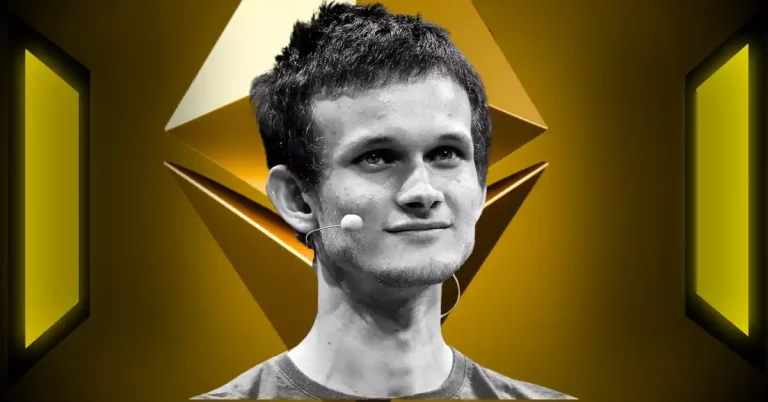
Vitalik Buterin Advocates for Privacy in the Digital Era
Ethereum co-founder Vitalik Buterin has made headlines by publicly supporting Roman Storm, a lead developer behind Tornado Cash, a decentralized privacy-focused platform. As Storm faces sentencing for alleged involvement in operating an unlicensed money transmitting business, Buterin’s endorsement highlights a broader conversation about digital privacy, developer liability, and the future of decentralized finance (DeFi).
Who Is Roman Storm and Why Is He Under Scrutiny?
Roman Storm, along with co-founders Alexey Pertsev and Roman Semenov, developed Tornado Cash, a platform utilizing zero-knowledge proofs to enhance privacy on the blockchain. By separating senders from recipients, Tornado Cash offered users anonymity in financial transactions. The platform, however, became a target of scrutiny after the US Treasury alleged its involvement in laundering illicit funds, including those tied to North Korean hackers.
In August 2025, Storm was convicted of conspiracy to operate an unlicensed money transmitting business, facing potential penalties of up to five years in prison and $250,000 in fines. Although partially acquitted on money laundering charges, the case has raised important legal debates about the responsibility of developers in creating decentralized tools.
Vitalik Buterin’s Defense of Privacy Tools
In an open letter, Buterin defended Tornado Cash and similar privacy tools, emphasizing their necessity in protecting against online surveillance and data commodification. He shared personal experiences of using Tornado Cash for anonymous software purchases and donations to human rights groups, framing privacy not as a luxury but as a fundamental human right.
“In the 21st century, being able to choose with whom we share information is crucial,” Buterin wrote. He argued that criminalizing privacy tools jeopardizes the core values of an open and secure internet while compromising individual freedoms.
Community and Industry Support Grows
Storm’s case has united large sections of the crypto community, advocating for legal clarity around decentralized software. The Ethereum Foundation, in partnership with Keyring Network, initiated a legal defense fund, contributing $500,000 and redirecting protocol fees from zkVerified DeFi vaults to support Storm and Pertsev’s legal battles.
Further, industry leaders are raising awareness through campaigns to safeguard the rights of developers. A growing movement emphasizes that “math is not a crime” and underscores that privacy is a fundamental right, not a tool for criminal intent.
What This Means for the Future of Privacy Tools
Storm’s sentencing, expected soon, will serve as a litmus test for US regulatory approaches toward privacy-preserving technologies. Regulatory signals, including comments from Matthew Galeotti, Acting Head of the DOJ’s Criminal Division, suggest that decentralized software might eventually reduce personal liability for developers. However, these non-binding statements offer little immediate protection for Storm and others in similar situations.
For privacy-conscious users interested in protecting their online presence, tools like VPNs, encrypted messaging apps, and ethical privacy-focused services can complement financial privacy tools. One such product is the Privacy.com, which allows users to generate virtual credit cards for secure, anonymous online transactions. It’s a small step to reclaiming control over your digital footprint while adhering to current regulations.
Conclusion
The trial of Roman Storm highlights the increasing tensions between the right to privacy and government regulation in the crypto space. As Vitalik Buterin and the wider Ethereum community rally behind privacy technology, this case sets a pivotal precedent for the blockchain industry and beyond. Will the courts acknowledge privacy as a human right, or will decentralized developers bear the brunt of legal action? Only time will tell.
To stay updated on this and other impactful stories, subscribe to our newsletter for the latest insights in crypto, technology, and lifestyle.