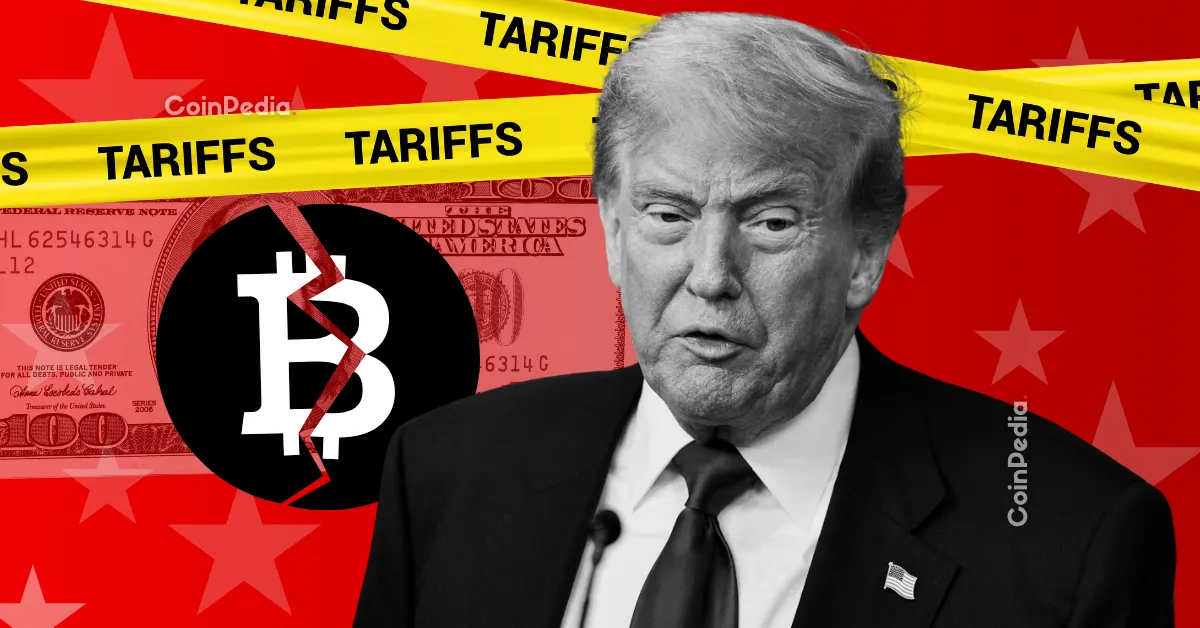
The recent announcement of a massive tariff hike by former President Donald Trump has sent ripples through global markets, causing significant tremors in the cryptocurrency sector. The bipartisan bill, already approved by Trump, imposes a staggering 500% tariff on goods imported from countries purchasing Russian oil, gas, and uranium. Targeted countries prominently include India, China, and Brazil, which are key players in the global economy.
Understanding the Tariff Hike
According to Republican Senator Lindsey Graham, the aim of this tariff policy is to penalize nations buying Russian oil at discounted rates, indirectly supporting Russia’s ongoing war efforts. The legislation is expected to undergo a full vote in the coming week but has already spooked global markets.
The move follows a similar policy shock in October 2025, which led to a $20 billion liquidation across global cryptocurrency markets. As a result, analysts and investors are bracing for another challenging period, particularly after the recent 3.23% drop in the total cryptocurrency market capitalization. Major cryptocurrencies like Bitcoin and Ethereum have experienced steep declines, ranging from 3% to 8% over the last 24 hours.
Impact on the Crypto and Global Markets
The reaction in the crypto space mirrors historical patterns. Back in 2025, during an earlier tariff-related policy announcement, Bitcoin plunged from its record high of $126,000 to below $100,000 in a single day. This new wave of trade tensions underscores how sensitive digital assets remain to broader global geopolitical events. Currently, Bitcoin is trading around $90,234, while Ethereum, Solana, and XRP have also recorded significant losses.
The panic is not confined to cryptocurrencies. Stock markets in emerging economies, such as India’s NIFTY index, have tumbled to new weekly lows, with all major sectors trending downward. Such developments contribute to a risk-off sentiment that typically leads to sell-offs in riskier asset classes, including cryptocurrencies.
What’s Next for Investors?
Experts suggest that this could be a short-term dip, but it largely depends on how long the trade tensions linger and how impacted nations respond to the tariffs. The longer the uncertainty remains, the more investors may shift funds into safer assets like gold or treasury bonds, intensifying pressure on crypto prices.
Investors and enthusiasts in the cryptocurrency market are advised to stay vigilant during such volatile periods. If you are looking for tools to track market movements or protect your investments, consider using Trezor Hardware Wallet, a trusted solution for securing digital assets against market uncertainties.
Final Thoughts
As geopolitical and trade tensions intensify, global markets—including cryptocurrencies—are likely to remain reactive and volatile. While this presents challenges, it also underscores the need for investors to carefully manage risks and stay informed. Diversifying your holdings and relying on trustworthy resources for updates can make a significant difference in navigating uncertain times.


