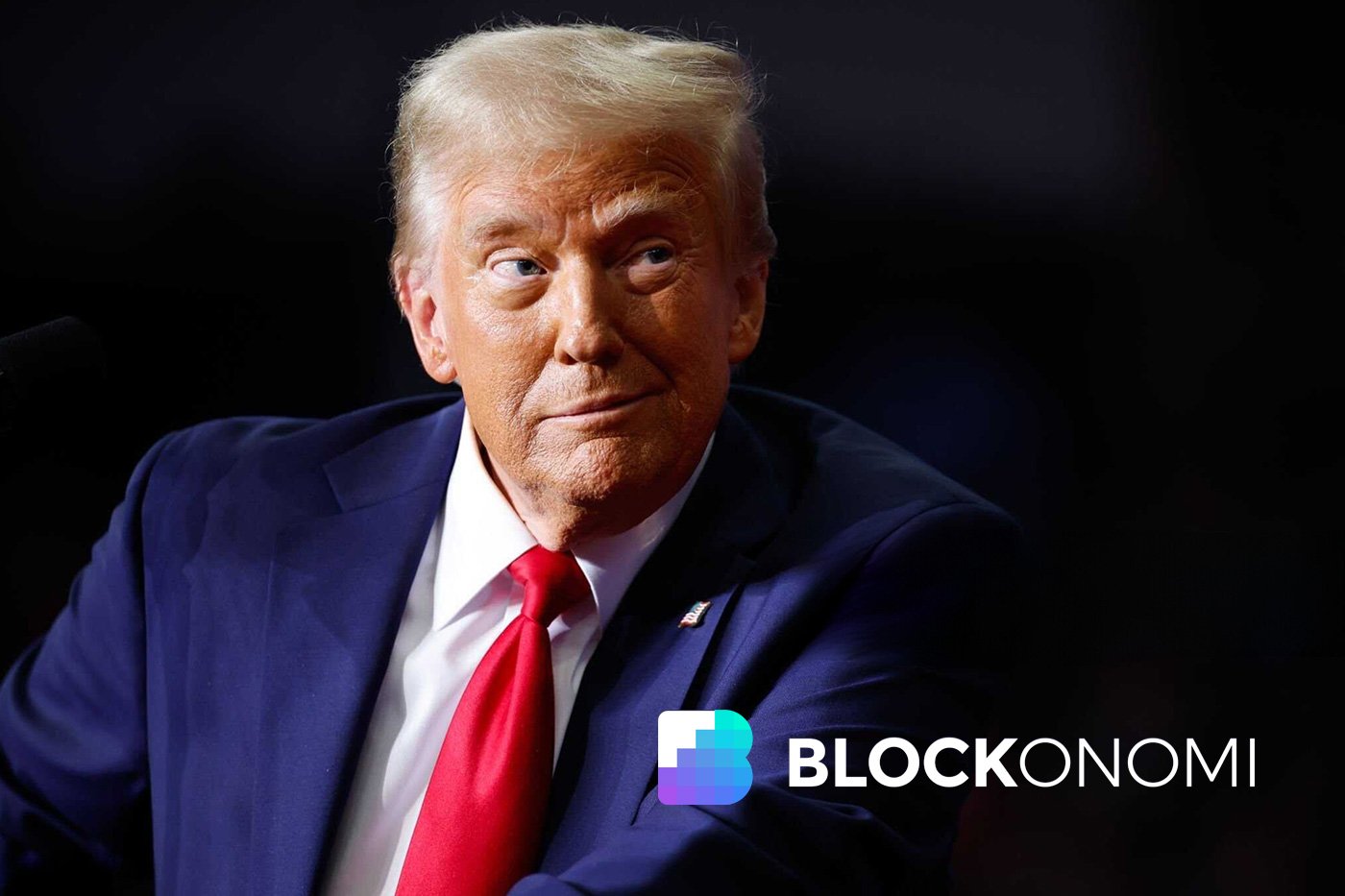
Breaking News: Former U.S. President Donald Trump’s announcement about Venezuela’s significant crude oil shipment to the United States has the world talking. This move marks a critical shift in geopolitical and energy dynamics. Here is everything you need to know about this historic deal, its financial implications, and its potential impact on the oil industry.
Key Highlights of the Venezuela Oil Shipment
On January 6, 2026, Trump revealed that Venezuela would send between 30 and 50 million barrels of oil to the US. Valued at an estimated $2.8 billion based on current market prices, this shipment could be sold at as much as $3 billion. The oil transfer represents approximately 30 to 50 days of Venezuelan production pre-blockade, signaling a significant economic realignment for Venezuela, known to possess the world’s largest proven crude oil reserves.
Market Reactions
The announcement caused substantial ripples in the market. West Texas Intermediate (WTI) crude oil prices dropped up to 2.4% immediately after the announcement, trading at nearly $56 per barrel. Such fluctuations highlight the deal’s capacity to disrupt global supply chains and affect competitors like China and Russia, former primary buyers of Venezuelan crude.
Geopolitical Implications
According to the Trump Administration, this deal not only bolsters U.S. refining capabilities but also weakens Venezuela’s trade ties with nations such as China, Russia, Iran, and Cuba. The administration’s directive effectively redirects Venezuelan crude oil sales exclusively to U.S. refineries along the Gulf Coast, which are specially designed to process heavy-sour crude like that from Venezuela. Companies benefiting from this include Phillips 66 and Valero Energy Corp, whose refineries are equipped to create high-value products from this oil type.
Challenges Ahead
Although Venezuela’s massive oil reserves are an economic goldmine, years of neglect and sanctions have caused production levels to plummet. Experts estimate it will require substantial investments over several years to revive its oil industry to former production levels. The US Energy Secretary Chris Wright has been tasked with overseeing the logistical execution of the oil transfer plan, which involves shipping directly to U.S. unloading docks via contracted storage vessels.
Why This Matters
On the surface, this deal provides a short-term economic boost to the U.S. energy market. However, analysts caution that this is not indicative of a structural shift in global oil supply but rather a one-off occurrence. Chief Investment Officer Haris Khurshid of Karobaar Capital LP stressed the importance of understanding the deal’s limited scale compared to global oil demand.
What You Can Do
As global energy dynamics shift, staying informed is critical. If you’re interested in sustainable practices or smart energy-saving habits, consider investing in energy-efficient appliances or exploring renewable energy solutions at home. For example, the Dyson Air Purifier is designed to filter pollutants and improve indoor air quality while reducing energy costs.
As the U.S. and Venezuela embark on this bold new chapter, the implications for the global energy market, geopolitical alliances, and economic growth are profound. Stay tuned as we update you on more developments in this evolving story.