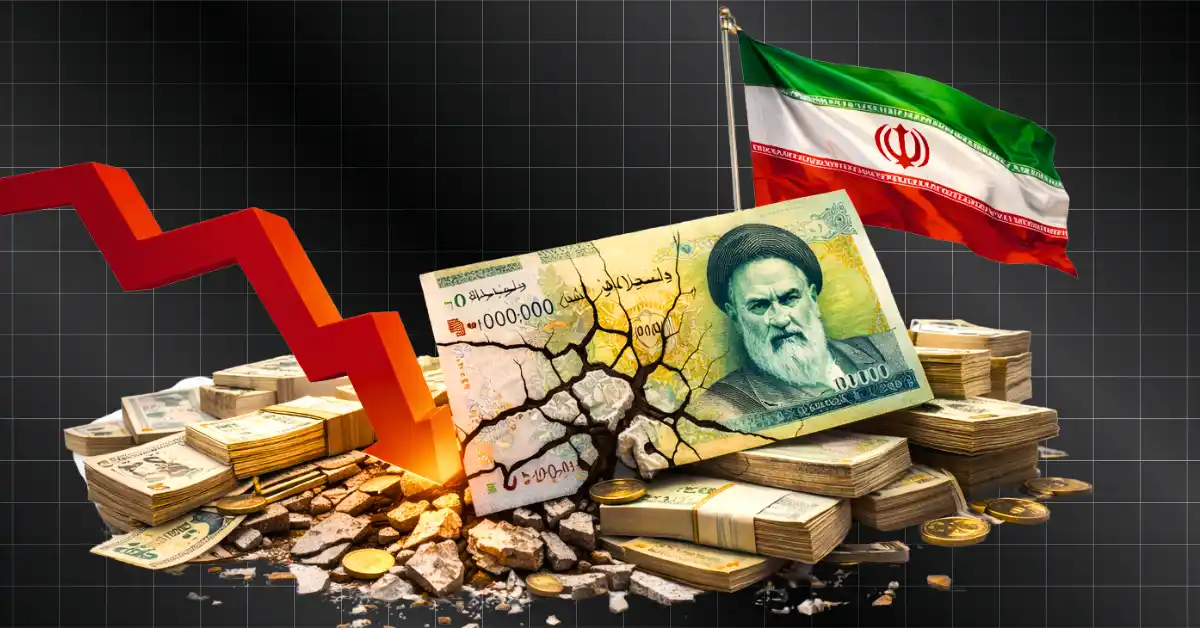
In a groundbreaking maneuver, Iran has publicly announced its plans to utilize cryptocurrency as a payment method for selling advanced weapons systems to foreign nations. This strategic move aims to counteract the economic strain caused by prolonged Western sanctions, a faltering national currency, and soaring inflation. Let’s delve into how this decision could reshape both global trade and geopolitics.
The Economic Context Behind Iran’s Crypto Push
Iran’s economic landscape has been under immense pressure. Years of sanctions have left the country isolated from the global banking system, exacerbating inflation rates that soared to approximately 42.5%. Moreover, the Iranian rial recently hit historic lows against the US dollar, fueling nationwide protests and increasing domestic demand for reforms.
To mitigate these challenges, the Iranian government is turning to alternative financial mechanisms. Cryptocurrency stands out as its preferred tool for facilitating high-value transactions in a way that minimizes exposure to international sanctions and restrictions.
Weapons Systems Offered in Crypto-Based Deals
Iran’s Ministry of Defense export agency, Mindex, has unveiled plans to sell cutting-edge military equipment that includes Emad ballistic missiles, Shahed drones, Soleimani-class warships, and advanced air defense systems. The agency confirmed its openness to accepting payments in cryptocurrency, barter systems, or even the Iranian rial. This approach underscores Iran’s effort to modernize its financial trade channels while bypassing traditional banking systems.
Despite criticisms and potential sanctions, Mindex emphasized its readiness to deliver weapons and honor contracts even under restrictive conditions. This statement signals Iran’s determination to maintain its weapons export strategy despite international obstacles.
Cryptocurrency as a Game-Changer in Global Trade
The world is increasingly paying attention to Iran’s pivot to cryptocurrency. During the deBlock Summit, Iran’s first international blockchain conference, Iranian Speaker of Parliament Mohammad Bagher Ghalibaf highlighted the importance of cryptocurrencies in supporting independent nations’ economies.
“We aim to create a regional, and even global, hub for blockchain technology and digital trade,” Ghalibaf said. This aligns with Iran’s broader goal of conducting trade with other BRICS nations, such as India, through cryptocurrency-based payments, thereby sidestepping sanctions imposed by Western powers.
Challenges and Broader Implications
While cryptocurrencies offer a way to circumvent sanctions, they also bring challenges, particularly amid increasing global regulatory scrutiny. Countries like the United States have tightened anti-money laundering laws and ramped up actions against nations using crypto for illicit activities. Just this week, the US imposed fresh sanctions targeting individuals and organizations allegedly involved in arms deals between Iran and Venezuela.
Moreover, former US President Donald Trump warned that military actions could be considered if Iran expands its weapons programs, further escalating tensions. As Iranian officials navigate these dynamics, the next few months will likely prove crucial for determining the success of their crypto-enabled trade strategy.
What Does This Mean for Blockchain Enthusiasts?
For fans of blockchain technology, this development demonstrates how cryptocurrencies are being used beyond just financial investments. Trading platforms and cryptocurrency entrepreneurs may find value in observing Iran’s strategies as a case study on how blockchain technology intersects with geopolitics. Popular wallets such as Ledger Nano X could serve as tools for securely managing digital funds, given their reputation for high-security standards.
Looking Ahead
As Iran leans further into the cryptocurrency market for trade, global powers and blockchain experts alike will continue to monitor its developments. This unique combination of cryptocurrency and international trade raises critical questions about regulation, market stability, and the geopolitical implications of emerging blockchain technologies.