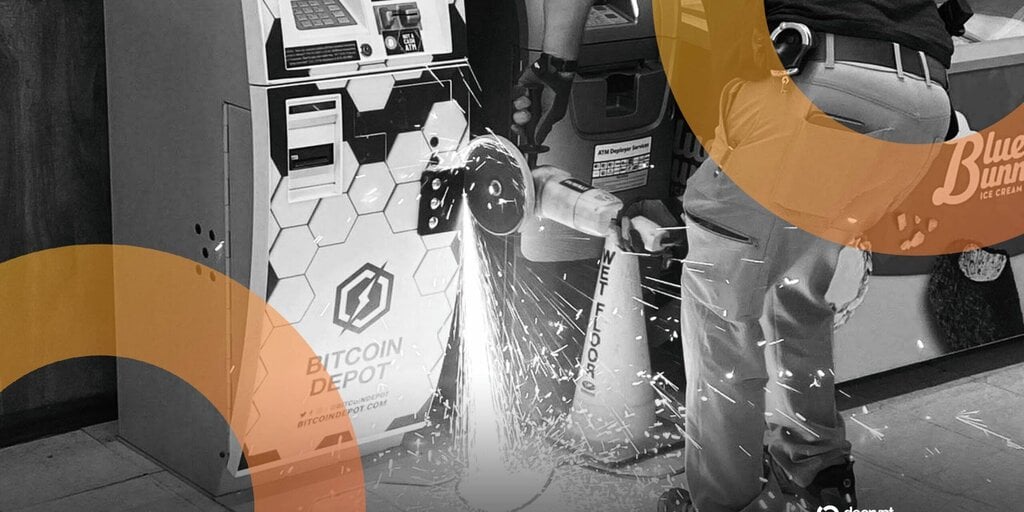
Cryptocurrency ATMs have come under intense scrutiny in 2025, triggering regulatory measures and heightened public attention. These machines, which make it easy to convert cash into cryptocurrencies like Bitcoin, have been at the center of numerous scams and legal battles, especially affecting vulnerable groups such as the elderly.
Crypto ATM Scams on the Rise
According to a report from the Internet Crime Complaint Center, crypto ATM-related scams led to $246 million in consumer losses last year—a 99% surge from the prior year. Alarmingly, 43% of these victims were aged 60 or older. Scammers often impersonate government officials, businesses, or tech support, coercing individuals into withdrawing cash and converting it into crypto via ATMs. Notable cases included a Massachusetts scam, where victims were tricked into paying fines for allegedly skipping jury duty.
The irreversible nature of blockchain transactions has made recovering lost funds almost impossible. For example, the Iowa Supreme Court ruled in multiple cases that crypto ATM operators could keep funds tied to scams due to their customer agreements. These agreements required users to declare ownership of the digital wallets where funds were sent, leaving victims without legal recourse.
Legal Battles and Consumer Protection Efforts
Legal actions against crypto ATM operators gained momentum this year. Iowa Attorney General Brenna Bird and Washington, D.C. Attorney General Brian L. Schwalb filed lawsuits against major operators like Bitcoin Depot, CoinFlip, and Athena Bitcoin. These lawsuits accused the companies of profiting from scam victims, hiding exorbitant transaction fees (sometimes as high as 26%), and failing to protect vulnerable individuals.
At the federal level, Senator Dick Durbin (D-IL) proposed the Crypto ATM Fraud Prevention Act, aiming to cap transaction amounts, enforce ID checks, and mandate refunds for fraud victims. However, the bill stalled in the Senate. Meanwhile, approximately 20 states enacted laws to enhance crypto ATM regulations, including Illinois, which now caps transaction fees at 18% and limits daily transactions to $2,500 for new users.
Local and International Responses
On a local level, some jurisdictions, such as Spokane, Washington, have taken drastic measures like banning crypto ATMs altogether. Internationally, New Zealand implemented a nationwide ban in June as part of its efforts to combat financial crime. These measures reflect growing concerns over the role of crypto kiosks in facilitating illicit activity.
Despite these challenges, crypto ATMs remain widespread, with over 30,750 machines operating in the U.S.—nearly 80% of the global total, according to Coin ATM Radar. These machines offer convenience for crypto enthusiasts but highlight the urgent need for better consumer protections and ethical practices in the industry.
Recommended Product: Ledger Nano X
Protect your cryptocurrency investments with the Ledger Nano X, a secure hardware wallet trusted by millions worldwide. Perfect for securely storing Bitcoin and other digital assets, it’s an excellent tool to avoid potential losses from scams.


