Introduction to the Decentralization Debate
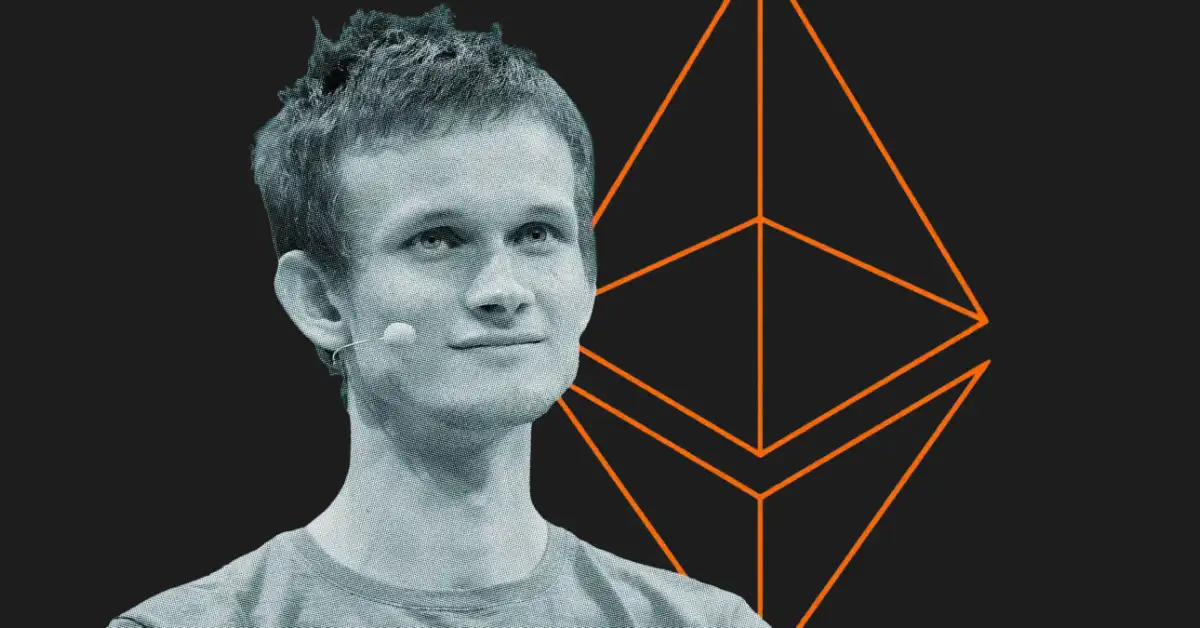
Cryptocurrency has always been synonymous with decentralization—a foundational principle aiming to distribute power and control among users instead of consolidating it within a few major entities. Yet, as the crypto industry grows, concerns about power imbalances and dominance by large players are coming to the forefront. Ethereum co-founder Vitalik Buterin recently shed light on this pressing issue in his essay titled “Balance of Power.”
The Concerns Highlighted by Vitalik Buterin
In his essay, Buterin warns that the biggest threat to cryptocurrency may come from the concentration of power, driven by large-scale growth and dominance. He argues that while decentralization remains a key component, it is not a silver bullet in preventing the rise of powerful entities within the crypto ecosystem.
According to Buterin, modern technology has removed many of the natural barriers that historically limited power consolidation, such as distance, coordination inefficiencies, and high costs. Today, global networks and automation allow entities to scale quickly and dominate vital parts of the blockchain infrastructure.
The Double-Edged Sword of Economies of Scale
Buterin stresses that “economies of scale”—where larger entities can grow faster and shape their environments—pose a risk for blockchain networks. In the wrong hands, this concentration can lead to significant control over staking platforms, governance mechanisms, and other key aspects of crypto ecosystems.
One example Buterin highlights is Ethereum’s staking ecosystem. While Lido controls about 24% of all staked ETH, it operates through a decentralized autonomous organization (DAO) that distributes decision-making among multiple operators. This structure mitigates the risk of centralized control.
The Way Forward: Designing Balanced Systems
According to Buterin, the crypto industry must prioritize creating systems that limit the potential for dominance, even as they grow. Key suggestions include:
- Implementing open standards to prevent monopolization.
- Adopting adversarial interoperability to encourage healthy competition.
- Creating governance structures designed to diffuse power.
Buterin likens the ideal governance model to a game rather than a controlling player—one that creates an environment where no single actor can dictate outcomes unilaterally. This approach can ensure a fair and decentralized ecosystem for users.
What This Means for the Future of Crypto
With the crypto space becoming increasingly shaped by institutions and economies of scale, the next phase of development may not be about rapid growth but achieving a balance of power. Projects in the industry are challenged to reconsider their priorities and focus on creating sustainable, decentralized models.
Investors and developers alike must also educate themselves and evaluate whether the projects they support align with these principles. As the industry evolves, tools such as staking platforms and DAOs play a crucial role in balancing power dynamics.
Recommended Product: Ledger Nano X
Staying secure in the decentralized space is increasingly important. For those looking to safeguard their crypto assets, the Ledger Nano X is an excellent hardware wallet option. Its advanced security features ensure safe storage while offering the convenience of managing multiple cryptocurrencies. Protect your assets in a rapidly growing industry where balanced systems are key.
Conclusion
As Vitalik Buterin emphasizes, the future of cryptocurrency hinges on more than just technological advancements—it depends on creating systems that evenly distribute power and resist dominance. The pursuit of decentralization is not merely a technical challenge but also an ethical imperative that defines the core values of blockchain technology.