The Hidden Value of U.S. Gold Reserves
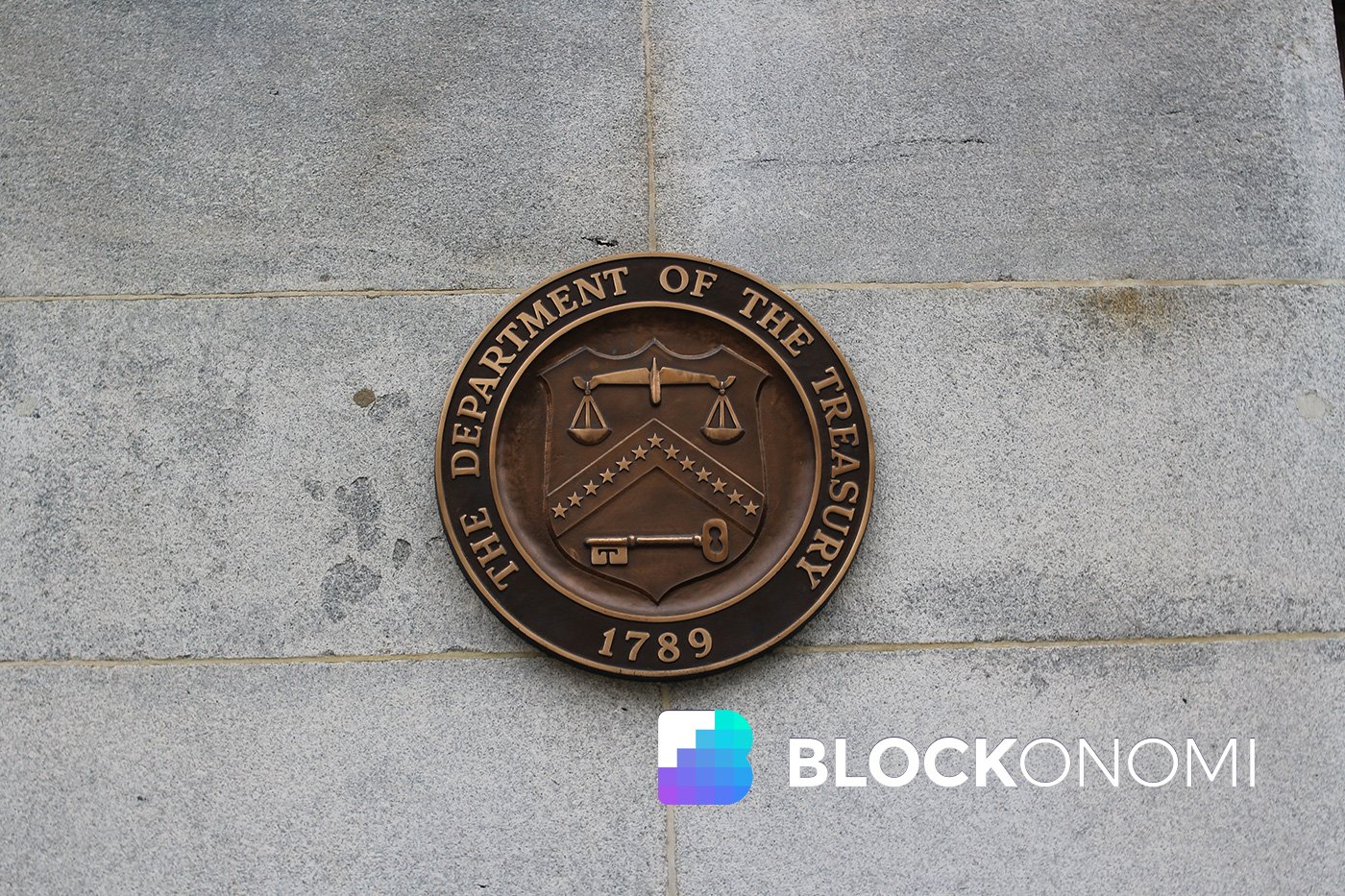
Did you know that the United States Treasury holds one of the most significant untapped financial opportunities in modern history? With 261.5 million ounces of gold sitting in reserve, the government officially values this treasure at an outdated 1973 price of $42.22 per ounce. However, the current market price is approximately $4,500 per ounce, leaving over $1 trillion in unrealized value.
This vast difference in valuation has far-reaching economic implications, not only for traditional markets but also for emerging assets like Bitcoin and other cryptocurrencies.
Why Gold Revaluation Makes Sense Today
The gold value recorded by the U.S. Treasury hasn’t been updated since the country abandoned the gold standard in the early 1970s. Most nations now revalue their gold reserves at prevailing market prices, leaving the U.S. as an outlier. As market analysts point out, modernizing the gold valuation would be a critical move in addressing fiscal challenges and injecting liquidity into the economy without requiring traditional quantitative easing (QE).
Historical precedent exists for such a move. Back in 1972, the U.S. revalued its gold reserves, injecting liquidity directly into Treasury accounts without issuing bonds. This allowed the government to bolster its financial capacity effectively. If a similar revaluation were to happen today, the scale of impact would be exponentially larger, creating ripple effects across multiple financial sectors.
How Bitcoin Could Benefit from Gold Revaluation
If the U.S. were to revalue its gold reserves, it would signal a notable shift in how fiat currencies are managed, potentially driving inflationary pressures. As fiat currencies lose value in such scenarios, hard assets—including gold and cryptocurrencies like Bitcoin—suddenly become more attractive.
Bitcoin, often dubbed “digital gold,” stands uniquely positioned to benefit. Historically, when fiat currency management changes are introduced, investors gravitate toward alternative stores of value that are outside the control of governments. This makes Bitcoin a viable candidate for wealth preservation in times of growing currency devaluation.
Want to protect your assets in a changing economic climate? You might consider diversifying your portfolio with both traditional gold investments and Bitcoin. Products like the Treasure Gold Investment Package offer an easy entry point for those who prefer physical gold, while Bitcoin can be easily purchased through platforms such as Coinbase or Binance.
The $1 Trillion Fiscal Solution
With the U.S. grappling with $37 trillion in debt, rising interest rates, and other fiscal challenges, traditional approaches like tax increases or spending cuts seem politically and economically unfeasible. However, by unlocking the true value of its gold reserves through revaluation, the government could introduce liquidity into an already strained financial system while avoiding the pitfalls of additional debt creation.
This potential move would not only elevate gold prices globally but also send shockwaves through cryptocurrency markets. The official acknowledgment of gold’s true value signals long-overdue recognition of currency depreciation, sparking renewed interest in hard assets. Investors can expect heightened demand for both gold and Bitcoin as a hedge against inflation and economic instability.
Final Thoughts
The U.S. Treasury holds an untapped resource with over $1 trillion in hidden value. Revaluing gold reserves could act as a fiscal lifeline for the government, while investors might witness significant opportunities in both gold and cryptocurrency markets. As discussions around gold revaluation heat up, now is the time to explore diversified portfolios to safeguard wealth amid potential future economic changes.
Always consult with a financial advisor before making major investment decisions. Prepare for the next wave, whether through trusted products like gold investment packages or owning digital currencies positioned for long-term growth.



