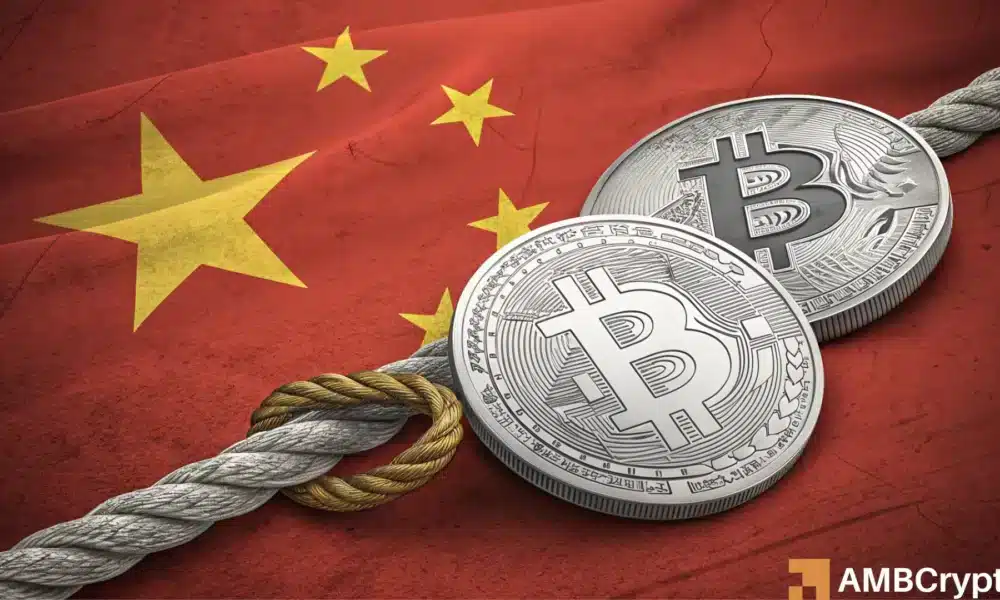
China’s ‘Metal War’ and its Impact on Bitcoin
As 2026 approaches, a new economic battlefield known as China’s ‘metal war’ is emerging, creating ripples across global markets. While Bitcoin and other cryptocurrencies have taken a hit, traditional metals like silver, gold, and platinum are surging. What does this mean for Bitcoin and the broader crypto ecosystem?
The Surge in Precious Metals
The fourth quarter of 2025 saw silver prices skyrocket by 70%, achieving an all-time high of $79/oz. This trend, fueled by China’s impending silver export restrictions starting January 2026, is reshaping the dynamics of global asset allocation. With China controlling 60-70% of the global silver supply, the restriction is expected to create a supply-demand imbalance, benefiting metals over digital assets.
Bitcoin’s Current Struggles
While silver and other metals gain traction, Bitcoin has faced significant challenges. In Q4 2025 alone, Bitcoin dropped 25%, reflecting a lack of institutional interest. U.S.-based investors have been off-loading Bitcoin, as shown by the declining Coinbase Premium Index (CPI). Simultaneously, ETFs linked to Bitcoin see increased redemptions.
Institutional Investors Favor Precious Metals
Institutional demand for silver has surged, with heavyweights reportedly holding 50-60% of the global supply. Hecla Mining, the largest U.S. silver producer, exemplifies this trend. Its stock has soared by 170% in the last two quarters, with a 66% jump in Q4 alone, pushing its market capitalization to $1.2 trillion. Products linked to precious metals, such as silver ETFs or investment opportunities in mining stocks, are becoming a preferred choice for institutional portfolios.
What Does This Mean for Investors?
While Bitcoin holders face uncertainty, metals are increasingly seen as a stable investment choice. For those interested in silver investment opportunities, consider the 1 oz Silver American Eagle Coin sold by reputable dealers like APMEX. This product not only tracks silver’s value but is also an easy entry point for diversification into metals.
Conclusion
As we enter 2026, the market’s focus remains split between digital assets like Bitcoin and traditional commodities like silver. With China’s restrictions amplifying the appeal of precious metals, the so-called ‘metal war’ could significantly shape how portfolios are balanced in the coming years. Investors should closely monitor these trends to make informed decisions.


