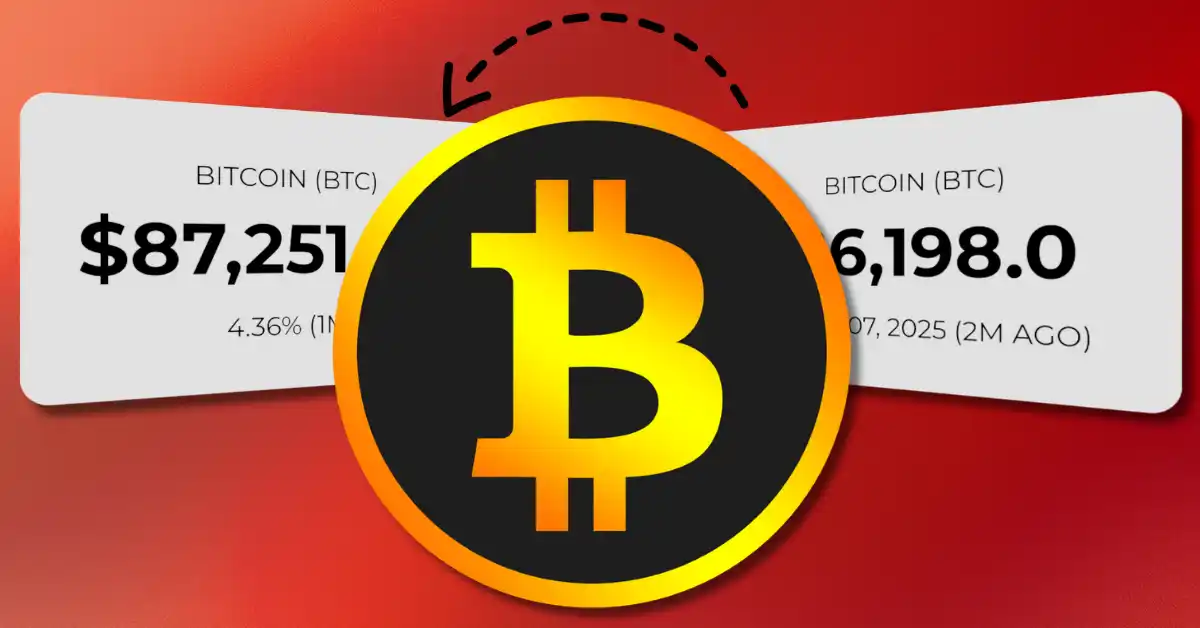
Bitcoin, the pioneer of cryptocurrencies, may have ended the year down by 10%, but don’t let the numbers fool you. While 2025 hasn’t brought the record-breaking milestones some predicted, experts argue that these developments are laying the groundwork for a brighter future. In this article, we explore Bitcoin’s key takeaways from the past year, macroeconomic influences, and the exciting prospect of institutional adoption in the coming years.
A Year of Record Fundamentals, Despite Market Hesitation
Michael Saylor, Co-Founder of MicroStrategy and a prominent Bitcoin advocate, recently shed light on why 2025 was a pivotal year for Bitcoin, even if its price performance didn’t align with expectations. Speaking on Alex Thorn’s podcast, Saylor described the past 12 months as arguably the most important period in Bitcoin history in terms of fundamentals.
Bitcoin’s fundamentals have been buoyed by exciting movements from major players such as BlackRock. However, Saylor emphasized that around 85% of Bitcoin remains with long-term holders, indicating strong confidence in the asset. Meanwhile, derivatives markets, like leveraged perpetual contracts, often overshadow spot trading, driving short-term price volatility.
Why Bitcoin’s Performance Reflects Liquidity Trends
The underperformance of Bitcoin in 2025 isn’t solely the result of crypto-specific challenges but more a reflection of global liquidity trends. Historically, Bitcoin thrives when economic activity expands and liquidity grows. Analyst Nico points out that Bitcoin acts as a “liquidity thermometer“: during periods of easy money, Bitcoin rises, but during tighter liquidity times, it can stagnate.
Global PMI (Purchasing Managers’ Index) levels have remained below the critical 50 level for almost three years, signaling contraction, which further explains Bitcoin’s dampened price action.
Institutional Adoption: A Key Driver for 2026
Exciting news for Bitcoin enthusiasts is the growing chatter around institutional participation. Michael Saylor has reported on discussions with leading U.S. banking institutions, including BNY Mellon, Bank of America, and Wells Fargo, which aim to integrate Bitcoin into their services. Rumors suggest these banks could begin buying, custodizing, and issuing credit against Bitcoin as early as the first half of 2026.
This heightened institutional interest aligns with MicroStrategy’s position as a leader in Bitcoin adoption, currently holding over 671,268 BTC worth billions. Public companies collectively own over a million BTC, signaling increased confidence in cryptocurrency as an institutional asset class. According to Saylor, Bitcoin prices could soar to $143,000–$170,000 by 2026 if adoption trends continue.
Stay Ahead: Long-Term HODLing Still Wins
For average investors, Bitcoin’s volatility may be daunting—much of it driven by leverage in trading markets. However, the long-term outlook remains optimistic. With major players like banks transitioning toward adopting Bitcoin-driven products, the next wave could invite cautious investors into a more regulated and mature crypto ecosystem.
Looking to invest in Bitcoin but don’t know where to start? Ensure you store your cryptocurrency immediately and securely with the Ledger Nano X Hardware Wallet. It’s the perfect balance of security and convenience for crypto holders.
Final Thoughts
Innovation in the crypto space continues to inspire, even during market lulls. With institutional interest rising and broader liquidity conditions poised to bounce back, Bitcoin could be gearing up for a significant breakout.
Stay updated with the latest cryptocurrency news, market insights, and expert analysis to navigate the evolving Bitcoin landscape effectively.


