Artificial intelligence (AI) is transforming industries across the globe, from climate modeling to healthcare advancements. However, as AI systems become increasingly sophisticated, so do their energy requirements, raising concerns about long-term sustainability and the infrastructure needed to support them.
The Rise of Energy Demand in AI
Lado Okhotnikov, founder of biotech and technology platform Holiverse, recently highlighted the growing energy constraints surrounding AI development. Global data center energy use continues to rise significantly, primarily fueled by the computational power required by advanced AI models. This rapid consumption raises the question: Can current energy infrastructure bear the load?
“The problem is becoming especially urgent now, as AI is advancing rapidly and its energy demands are growing just as fast,” Okhotnikov said. “Even today, we must think about where we will source that energy without compromising people’s lives or existing industries.”
Renewable Energy: A Partial Solution
Renewable energy sources such as wind, solar, and geothermal power are already helping to meet current demands. Yet, these land-based solutions have limitations, especially for always-on global AI systems that require continuous energy flow.
This is where Okhotnikov believes the future lies: space-based energy systems.
Exploring Space-Based Solar Power (SBSP)
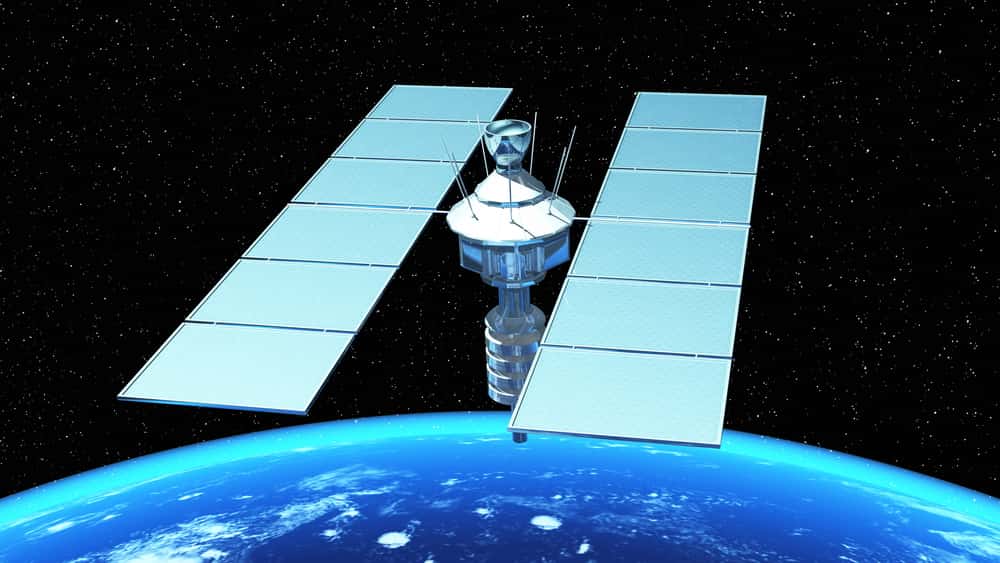
Space-Based Solar Power (SBSP) is an innovative concept that involves placing solar arrays in orbit to collect unrestricted sunlight and wirelessly transmit energy to Earth. This solution addresses land-based renewable energy’s primary challenge: intermittent availability due to weather and time constraints. While still in a research stage, organizations like NASA, the European Space Agency (ESA), and Japan’s JAXA are actively exploring SBSP’s potential.
A recent techno-economic study conducted in 2025 on the European energy grid concluded that SBSP could be a game-changer, providing a stable energy source to complement intermittent renewables.
Holiverse’s Vision for AI and Energy
At Holiverse, Okhotnikov and his team are researching alternative energy models to support the ever-growing needs of AI. From leveraging advancements in reusable launch systems to reimagining robotics and materials science, their long-term focus is on creating sustainable energy solutions for technology-driven industries.
“The solar power we can collect here on Earth is only a tiny fraction of what is available in space. In my view, this is where an enormous potential lies for new developments—and this is exactly what we are working on at Holiverse,” Okhotnikov shared.
To bring this project closer to reality, Holiverse is investing in some of the brightest minds and cutting-edge technologies to develop systems capable of powering the next era of AI.
Challenges to Overcome
Still, there are significant hurdles to overcome before SBSP or similar technologies are ready for large-scale deployment. These include technical, regulatory, and cost-related challenges. However, Okhotnikov remains optimistic, suggesting that tangible steps toward implementation may not be far off.
The Bigger Picture
As AI continues to revolutionize diverse fields, energy sustainability becomes a pressing concern. From powering climate research to supporting lifesaving medical advancements, ensuring AI remains achievable and scalable depends on visionary solutions like space-based power.
Recommended Product: The EcoFlow Delta Pro Portable Power Station
If you’re inspired by sustainable energy solutions, you may want to explore the EcoFlow Delta Pro Portable Power Station, a powerful and eco-friendly way to manage energy for your devices. It’s an excellent option for personal use while contributing to the renewable energy mission.