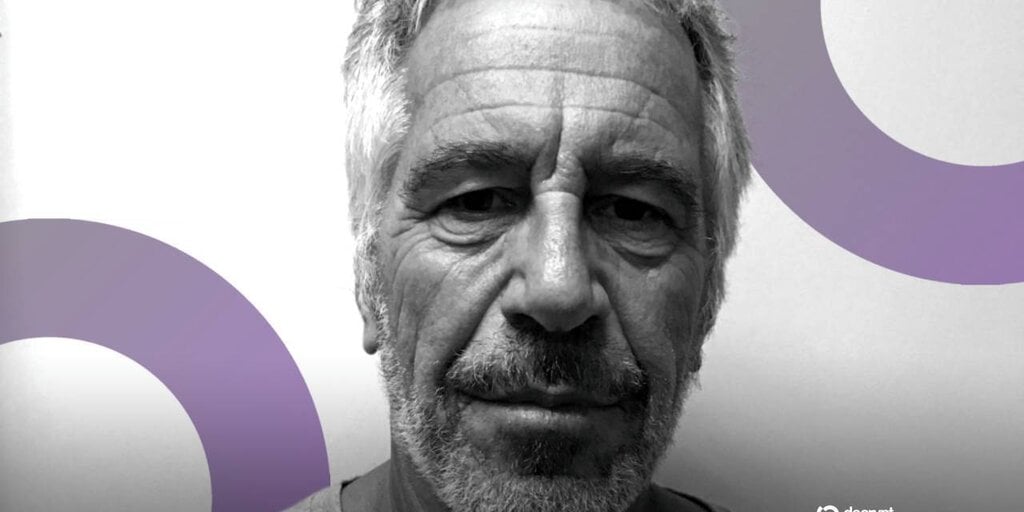
TikTok Users and the Alleged Unredaction of Epstein Files
Social media, specifically TikTok, has erupted with claims that users have found methods to “unredact” sections of documents tied to Jeffrey Epstein that were recently released by the Department of Justice (DOJ). This phenomenon has sparked debates about digital security, viral misinformation, and the integrity of recent document releases.
Digital Redaction Failures Are at the Core
The excitement surrounding these alleged revelations stems from two identified methods that claim to expose information hidden under blacked-out sections in the documents:
- Copy-Paste Flaw: Some PDF documents only visually “blackout” text with an overlay image, leaving the underlying data intact. Users discovered that copying and pasting text from these sections into another document often reveals the hidden content.
- Image Exposure Manipulation: In instances where redactions were applied to scanned image files with semi-transparent overlays, users claim they can adjust a screenshot’s brightness and contrast to reveal otherwise hidden information.
While these methods exploit known digital security flaws, it is important to note they work in some cases but not universally.
Unverified Claims About Revealed Information
Reports circulating on TikTok and other platforms allege that the “unredacted” content includes sensitive details involving Epstein’s estate, such as payments made to silence individuals and inconsistencies regarding property holdings. However, much of this material remains unverified by journalists or independent investigators. Some viral posts have even been flagged for containing misinformation or exaggerated claims.
DOJ Document Removal Fuels Speculation
Another layer of intrigue stems from the DOJ’s actions shortly after the document release. According to reports, at least 16 files were quickly removed from the department’s website. Without an immediate explanation, this removal raised suspicions and sparked mass downloads of the available files. Among the claims is the disappearance of a photograph allegedly involving former President Donald Trump, adding to fears of a potential cover-up.
Misinformation Concerns and Digital Security
Experts urge caution when interpreting these claims. While technical failures in digital redaction processes are a confirmed issue, the content circulating online often lacks official verification. There is also concern that misinformation may be driving much of the frenzy, either unintentionally or as part of deliberate acts to generate views and engagement.
Improving Digital Redaction Practices
This controversy highlights the need for more secure and effective digital redaction practices. Whether for government agencies or private entities, ensuring blacked-out information is truly inaccessible is critical to maintaining public trust and ensuring security-sensitive data remains confidential.
Related Product: Adobe Acrobat Pro
For professionals handling sensitive documents, an advanced tool like Adobe Acrobat Pro can help ensure proper redaction of digital files. This program offers foolproof redaction features that permanently remove content, preventing the types of errors alleged in the Epstein document saga.
As this topic continues to develop, readers should approach viral claims critically and look for verified reporting from trusted sources.