In a landscape defined by economic uncertainty and shifting market trends, gold is emerging as the asset of choice for a new generation of investors in 2025. Despite Bitcoin’s narrative as ‘digital gold’, younger buyers are pivoting toward physical gold and silver as they seek stability amid inflation and global economic volatility.
Gen Z and Millennials Fuel Gold Investment Surge
The gold market is witnessing a significant influx of Gen Z and Millennial investors. According to Gulf News, first-time buyers now account for 55% to 60% of gold demand, driven by its reputation as a hedge against inflation. These younger investors are opting for gold bars, coins, and lightweight jewelry as more accessible and flexible investment options compared to traditional heavy pieces. This trend reflects a generational shift toward safe-haven assets that offer both security and liquidity.
Precious Metals Are Outpacing Cryptocurrencies
While Bitcoin and other cryptocurrencies have long been celebrated for their potential as a store of value, 2025 marks a turning point. Search interest for terms like ‘buy gold’ has consistently surpassed ‘buy Bitcoin,’ highlighting the increased retail curiosity for precious metals over digital assets. Google Trends shows that interest in physical gold continues to rise, supporting its significant demand among retail investors worldwide.
In India, this trend is particularly evident. Gold imports surged sharply to 340 tonnes between July and October, compared to just 204 tonnes in the first half of the year. Retail investors are prioritizing gold bars and coins, emphasizing long-term investment value over short-term speculative gains.
Record-High Prices Influence Buying Behavior
Gold continues its rally as prices hit an all-time high of $4,497 per ounce. Despite rising prices, retail investors remain undeterred, shifting their focus from traditional jewelry purchases to investment products like bullion and lightweight coins. Jewelry sales have seen a decline in volume, yet total spending on gold has increased, indicating a shift toward smarter, investment-oriented buying behaviors.
Central Banks Boost Gold Reserves
Adding to retail demand, central banks around the globe are increasing their gold reserves. Net purchases reached an impressive 53 tonnes in October alone, driving gold’s upward trajectory. With global gold reserves now exceeding 40,000 tonnes—the highest levels in over 75 years—it’s clear that institutional investors are also reaffirming gold’s role as a defensive asset.
Bitcoin Lags as a Hedge Asset
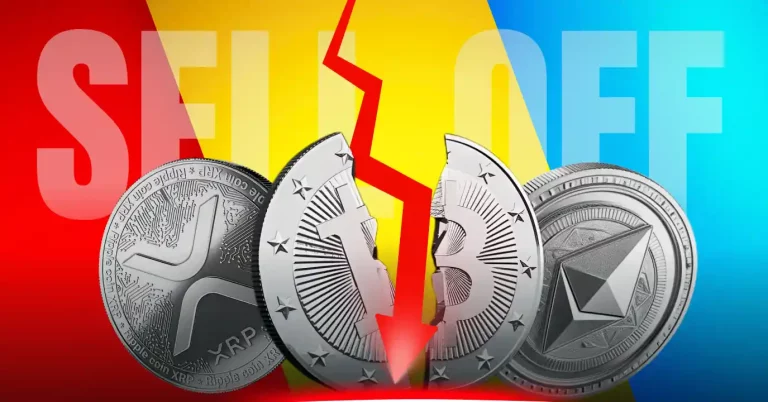
While Bitcoin was once celebrated as the ultimate inflation hedge, it has struggled to deliver on this narrative in 2025. Analysts note that Bitcoin’s behavior has increasingly been tied to macroeconomic factors, reflecting heightened sensitivity to liquidity, sovereign policies, and risk sentiment. As a result, Bitcoin’s performance has lagged, with declines of nearly 2% over the past 24 hours alone.
Still, some analysts believe that the cryptocurrency market has yet to experience its next retail-driven euphoric phase. Historically, the rapid adoption of digital assets often follows periods of skepticism and underwhelming sentiment, leaving room for potential future growth.
Luxury Meets Security: The Gold & Silver Investment Appeal
For those seeking to incorporate precious metals into their portfolios, products like the SPDR Gold Shares ETF (GLD) offer an ideal solution. This ETF provides investors with exposure to gold without the need for physical storage, making it a convenient and secure option for modern investors.
Similarly, platforms such as APMEX allow easy access to physical gold and silver coins for those who prefer hands-on investments. Offering flexible purchase options, these platforms cater to the growing demand for precious metals in an unpredictable financial environment.
What Lies Ahead for 2026?
As we approach 2026, the question remains whether this preference for gold and silver will persist or if capital will shift back toward cryptocurrencies. Factors like central bank policies, inflationary pressures, and geopolitical instability will likely determine the trajectory of precious metals and digital assets alike.
For now, one thing is certain: gold has not only reclaimed its position as the ultimate safe-haven asset but has also captured the attention of an entirely new generation of investors. With its enduring appeal and adaptability to modern financial needs, gold continues to shine brighter than ever.