Understanding Tokenization: The Future of Finance
Tokenization, the blockchain-based representation of real-world assets like property, stocks, and credit, is revolutionizing global finance. This disruptive technology is lauded for its efficiency, cost reduction, and scalability. With U.S. regulators encouraging a transition of entire capital markets on-chain, tokenization is poised to become a cornerstone of modern finance.
What Is Driving the Tokenization Boom?
Keith Grossman, President of MoonPay, emphasizes that opposition from traditional financial institutions, or tradFi, will not halt tokenization’s momentum. “You cannot freeze progress to protect legacy economics,” he says. The parallels between finance and media, which underwent a massive digital transformation, highlight the inevitability of change. Tokenization promises to disrupt finance much like digitization revolutionized the media landscape.
Industry pioneers like Eli Ben-Sasson, founder of Starknet and Zcash, share similar sentiments, predicting that crypto infrastructure will eventually overshadow traditional finance systems.
Tokenized Assets Gaining Traction
The tokenized markets have already surpassed $700 billion and are projected to reach $1 trillion, with stablecoins accounting for $300 billion. Credits, loans, and tokenized equities are seeing accelerated growth. Notable issuers such as Ondo Finance, Backed Finance, and Securitize are leading this surge.
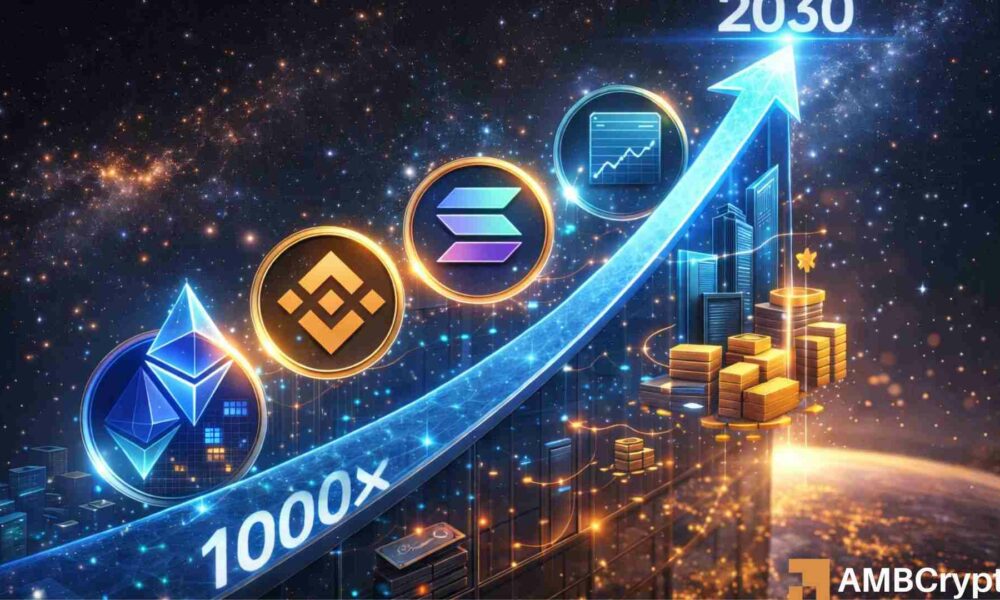
Moreover, Ethereum leads as the top blockchain for on-chain stocks, handling $335 million in settlements, followed by Solana, Algorand, and BNB Chain. According to Grayscale, the market has the potential to expand by 1000x by 2030, with Ethereum, BNB, Solana, and Chainlink among the key benefactors.
Key Challenges and Criticisms
Despite its promising future, tokenization faces criticism from certain quarters. The World Federation of Exchanges (WFE) has expressed concerns about unregulated tokenized equities undermining market integrity. Similarly, Citadel Securities has advocated for tighter DeFi regulations for handling tokenized assets.
These criticisms indicate a clash between innovative technology and legacy financial systems. However, as Grossman points out, adaptation is inevitable for those wishing to remain relevant in the financial sector.
Preparing for the Tokenized Financial Revolution
As tokenization gains momentum, it’s crucial for fintech companies, investors, and financial institutions to adapt to the new era. An example of an innovative product fueling this transformation is MoonPay, offering simple and secure ways to participate in the crypto market and enabling the transition to a tokenized economy. By leveraging platforms like MoonPay, users can position themselves at the forefront of this financial evolution.
The coming years promise significant expansion in tokenized markets, creating unprecedented opportunities for innovation and growth.



