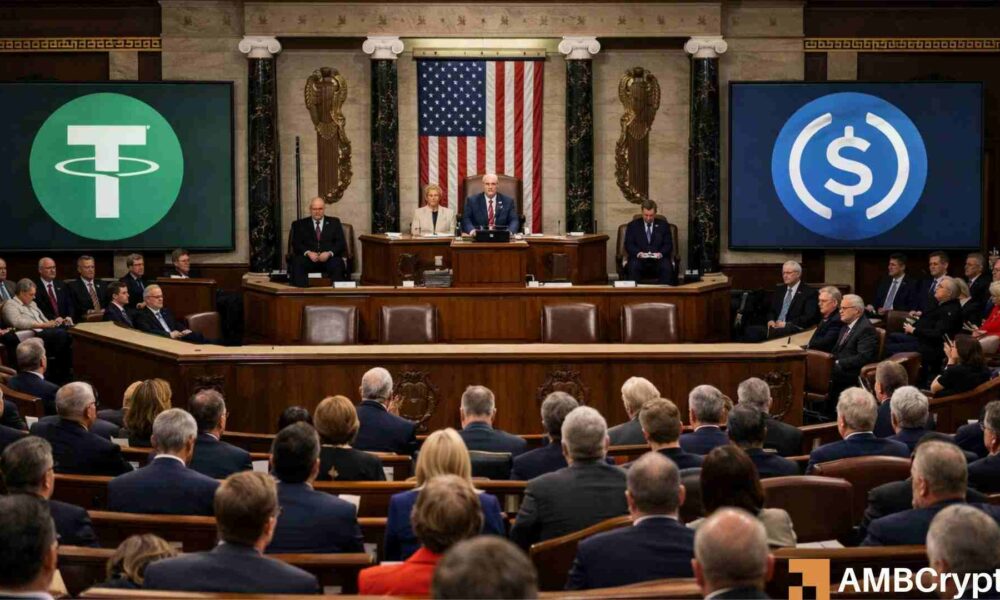
Stablecoin Tax Exemptions: A New Chapter in U.S. Crypto Policy
The rise of cryptocurrency has reshaped how we think about finance, and stablecoins are at the forefront of this revolution. In a recent move, the U.S. Congress is considering tax relief for small stablecoin transactions, a change that could significantly impact everyday crypto users. If approved, stablecoin payments below $200 could be exempt from taxes.
Breaking Down the Proposal
Lawmakers Max Miller (Ohio) and Steven Horsford (Nevada) have introduced a new proposal aimed at providing tax clarity and relief for cryptocurrency users. The legislation focuses on creating a de minimis threshold of $200 for stablecoin transactions, aligning with foreign currency exemptions under section 988 of the tax code.
According to Rep. Miller, this bipartisan bill aims to protect consumers making routine purchases with stablecoins while also supporting innovators and investors. The ultimate goal is to ensure compliance and encourage fair play within the financial sector.
A History of Crypto Tax Relief Efforts
This isn’t the first attempt to provide tax exemptions for cryptocurrency transactions. Back in 2025, Senator Cynthia Lummis proposed a $300 tax-free threshold for small crypto transactions as part of a larger bill. Although the provisions failed to pass Congress, they set the stage for ongoing discussions about crypto tax clarity.
Despite support from certain lawmakers, these efforts have often faced opposition. Detractors argue that such exemptions could lead to significant revenue loss for the government. Under current tax laws, the IRS categorizes cryptocurrency as property, imposing capital gains tax rates ranging from 10% to 37% based on short-term gains, and 0% to 20% for long-term investors.
The Battle Between Banks and Cryptocurrency
One significant issue fueling this debate is the banking sector’s reaction to stablecoin rewards. Crypto exchanges such as Gemini and Coinbase offer yields of 3%-4% on stablecoin holdings, far outpacing the average yield of less than 1% on traditional checking accounts. This has prompted concerns from banks, who fear a shift of deposit capital into cryptocurrencies.
Tyler Winklevoss, co-founder of Gemini, and over 125 industry players recently submitted a collective letter to Congress in support of the GENIUS Act. According to Winklevoss, “We are not going to let them [banks] get away with this.” The act, if passed, could cement stablecoin rewards and transactions as a mainstream financial tool.
What This Means for Crypto Users
While the proposal is still in its early stages, the implications could be significant for everyday cryptocurrency users. A tax exemption for stablecoin payments under $200 would simplify transactions, making crypto more accessible for everyday purchases. Meanwhile, the continued resistance from the banking sector emphasizes the growing importance of cryptocurrencies in today’s economy.
If you’re new to stablecoins or looking to utilize them, exchanges like Gemini and Coinbase provide competitive rewards for holding stablecoins like USDC or DAI. Learn more about these platforms and discover how they can fit into your financial strategy.



