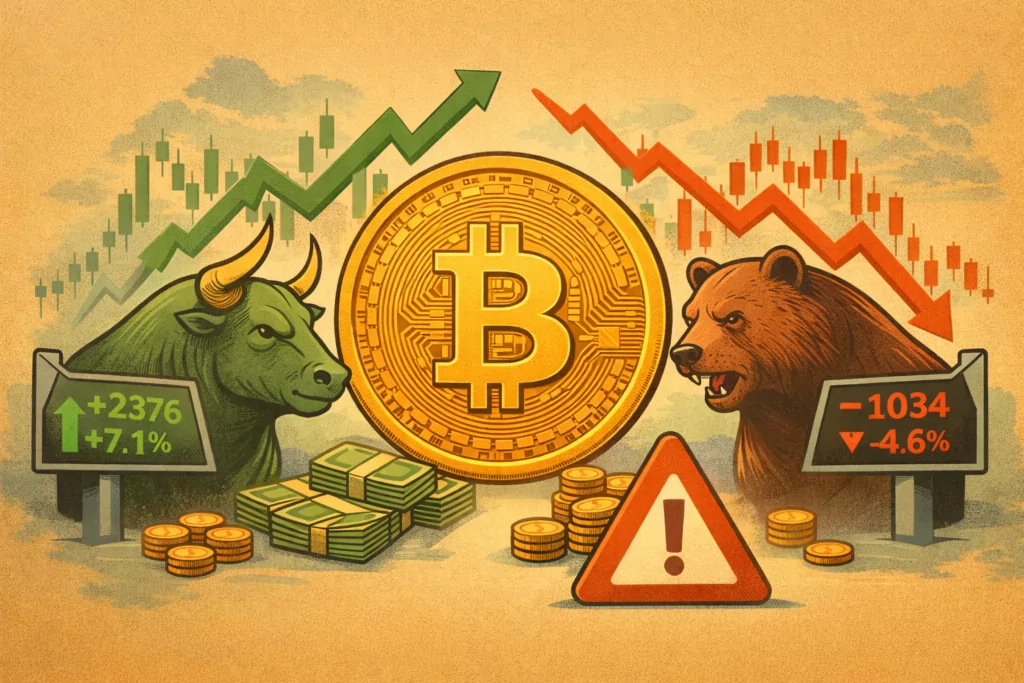
The cryptocurrency market has entered a phase of dynamic evolution, with Bitcoin spearheading conversations around emerging trends and investor behaviors. The impact of ETFs and macroeconomic factors are becoming increasingly pivotal in dictating price movements, signaling transformative changes in how Bitcoin is perceived and traded.
Do ETFs Provide a Safety Net for Bitcoin Prices?
When analyzing the role of ETF cost-basis clusters, it’s evident that they act as soft supports rather than definitive price floors. As Rachel Lin, CEO of SynFutures, explains, ETFs are structured for long-term holding, leading to reduced reactivity. While they absorb spot market supply, broader financial trends such as interest rates, dollar strength, and risk appetite still dominate Bitcoin’s price actions. This dynamic changes the profile of market drawdowns but does not necessarily eliminate volatility.
Changing Investor Profiles and Their Impact
One of the most noticeable shifts in recent years is in the composition of Bitcoin holders. Early market cycles saw dominance from crypto-native investors who were highly sensitive to leverage. In contrast, today’s market includes a larger proportion of institutional investors, ETFs, and long-only allocators who operate with extended horizons and higher risk tolerance.
Since October’s market setback, we’ve observed decreased exchange inflows and steadier accumulation from long-term holders. This indicates that ETFs and institutional players are reducing sell pressure, though larger macroeconomic events remain the dominant force behind pricing.
What Are Derivatives Suggesting?
Derivatives markets suggest stabilization rather than heightened stress. Metrics such as open interest have dropped since October’s volatility event, but without mass liquidations. Fundamentals like funding rates have moved closer to neutral, signaling a healthier reset. While localized market pressures could emerge if key support levels like $83k are breached, overall leverage in the system has reduced significantly, offering stronger groundwork for future price stability.
Is Bitcoin a Hedge or a High-Beta Asset?
The debate around whether Bitcoin functions as a hedge against inflation or an extension of technology-driven risk assets persists. According to Lin, Bitcoin presently behaves more like a high-risk, high-beta asset. For Bitcoin to transition into a true hedge asset, it would need to decouple from broad financial markers and showcase resilience against persistent inflation and shifting central bank policies. Until then, its performance will reflect broader economic sentiments.
If the $83k support level holds under the current macro environment, the recovery trajectory may mirror a slow but stable accumulation. Unlike the V-shaped rebounds seen in previous cycles driven by high leverage, the trend now leans toward sustainability with institutional inflows playing a pivotal role.
Boost Your Crypto Journey
For anyone looking to enter the cryptocurrency space with confidence, tools like Ledger Nano X for secure crypto storage (link to product) or platforms such as Coinbase (link to product) offer beginner-friendly solutions.
By aligning with reputable products and gathering insights from institutional analyses, like those shared by Rachel Lin, you can position yourself for a strategic approach to cryptocurrency investments.