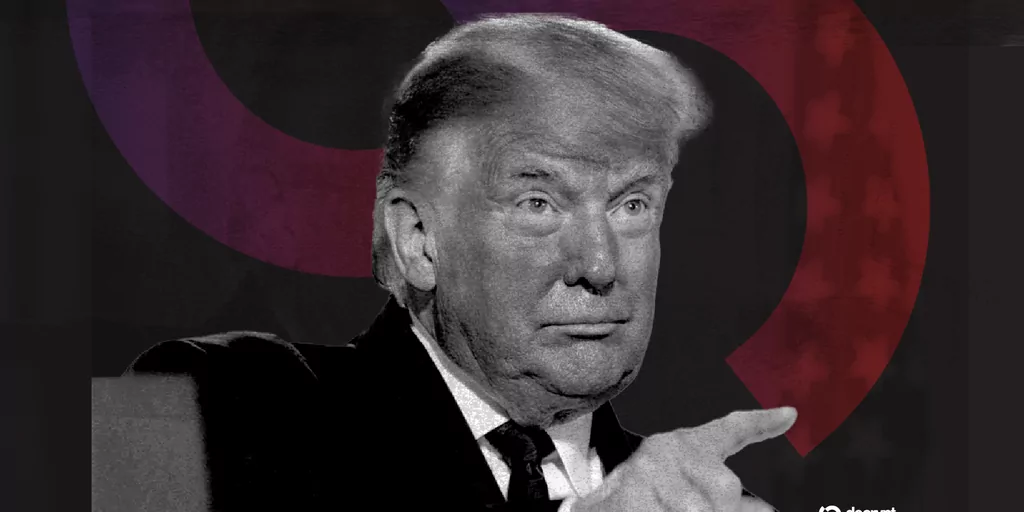
The world of cryptocurrency and privacy tools faced a jolt this week when former President Donald Trump announced that he is open to examining a pardon for Keonne Rodriguez, the developer behind the Bitcoin privacy tool, Samourai Wallet. This comes just days before Rodriguez is scheduled to begin his five-year federal prison sentence.
Understanding the Case of Keonne Rodriguez
Rodriguez, who pled guilty last summer to charges of operating an illegal money transmitter, developed a cutting-edge tool that allows Bitcoin users to conduct private transactions without relying on third-party intermediaries. While privacy advocates hail this innovation as essential to the core principles of cryptocurrency, federal prosecutors saw it differently, asserting that the software facilitated illegal activities.
The sentence, which included the maximum penalty of five years for Rodriguez and four years for his colleague William Longeran Hill, was met with concern by crypto developers and blockchain communities. They argue that the case sets a dangerous precedent, chilling future innovation in building privacy tools essential for the decentralized finance ecosystem.
President Trump’s Response
In an Oval Office meeting, President Trump responded to a question from Decrypt about Rodriguez’s case, stating, “I’ll look at it.” He also directed Attorney General Pam Bondi to investigate further. Bondi’s response gave some hope to privacy advocates, with speculation that the administration could consider clemency for Rodriguez.
The timing of this potential intervention is critical as the case has drawn attention from major crypto policy groups and privacy activists, all of whom emphasize the foundational importance of private transactions to Bitcoin’s original purpose.
The Broader Impacts on the Crypto Industry
The implications of this case extend far beyond the individuals involved. The Department of Justice’s crackdown on blockchain privacy tools has raised alarms about government overreach and interference in decentralized technologies. Despite Trump’s crypto-friendly reputation, the actions taken during this second Trump administration highlight inconsistencies in the federal stance on cryptocurrency.
Additionally, the convictions of prominent developers like Rodriguez and others, such as Roman Storm (creator of a similar Ethereum-based privacy tool), have signaled a shift in attitude, jeopardizing the growth of transparency and privacy within the sector.
Privacy Tools and the Crypto Ethos
The case echoes the ethos that drove Bitcoin’s creation—empowering individuals with financial control and privacy in an increasingly digital economy. Crypto advocacy groups stress that defending the development of tools like Samourai Wallet is essential for preserving innovation and user freedoms in a decentralized finance space.
For enthusiasts and advocates who see Bitcoin as a tool for financial independence, this case illustrates a stark challenge. It not only risks undermining privacy but may also deter new developers from taking part in advancing blockchain technologies.
Final Thoughts
While Rodriguez is doubtful about receiving clemency, citing his lack of financial and political resources compared to high-profile crypto executives like Binance founder Changpeng Zhao, privacy advocates remain hopeful. As the deadline for Rodriguez’s prison sentence nears, the crypto community looks to President Trump for decisive action that could determine the future of privacy within the industry.
To further protect your online privacy in the digital age, consider hardware wallets like the Ledger Nano X, which safeguard your crypto assets with industry-leading security measures. It’s an essential tool for anyone navigating the ever-changing landscape of decentralized finance.