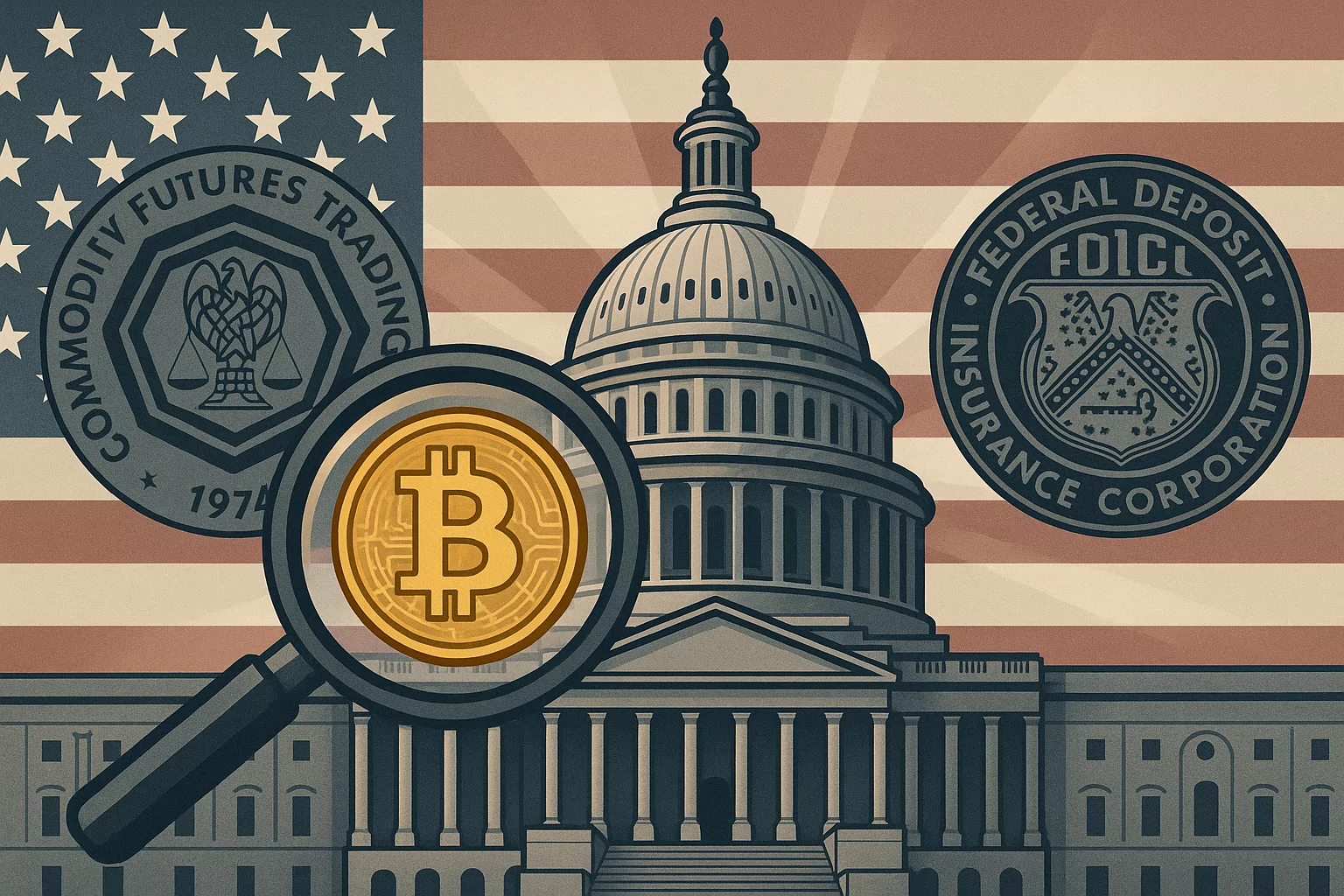
The regulatory landscape for cryptocurrency in the United States is on the cusp of significant shifts, as key financial oversight appointments move closer to final confirmation by the Senate. These changes hold the potential to reshape the future of crypto regulation and its integration into mainstream financial systems.
Leadership Confirmation in Progress
The Commodity Futures Trading Commission (CFTC) and the Federal Deposit Insurance Corporation (FDIC) are at the forefront of this regulatory evolution. Mike Selig, with notable experience in crypto-related issues at the Securities and Exchange Commission (SEC), has been nominated to lead the CFTC. Similarly, Travis Hill is positioned to solidify his role as FDIC chairman after serving as interim leader. Both candidates represent a more defined approach toward overseeing crypto markets and banks offering digital asset services.
The Senate Approval Process
In a recent development, the Senate approved a resolution that advances these nominations. This move suggests that final votes for confirmation are on the way. By adopting a batch voting strategy, Senate members expedite the approval of crucial figures like Selig and Hill, albeit with less scrutiny for each individual candidate.
Under Caroline Pham’s interim leadership, the CFTC has maintained an active stance toward cryptocurrencies. Pending Selig’s confirmation, industry players are eager to see if the agency will expand its initiatives further, such as broadening crypto adoption into regulated financial activities. The FDIC, under Hill’s interim leadership, has also indicated a forward-thinking approach, easing concerns within the banking sector about engaging with digital assets.
A Path Toward Coordinated Oversight
If confirmed, the leadership at the CFTC and FDIC could result in a more coordinated and transparent regulatory framework for the crypto market. This includes formalized policies for spot trading, collateral approvals for Bitcoin (BTC) and stablecoins, and enhanced guidance for banks engaging in crypto-related services.
Looking to stay ahead in the crypto world? Consider a Ledger Nano X hardware wallet to securely protect your Bitcoin, Ethereum, or other cryptocurrencies. Learn more here.
What Does This Mean for Investors?
As leadership positions solidify, a clearer regulatory stance could lead to increased institutional trust in cryptocurrency. This would potentially drive further investment and adoption across industries. On the flip side, tighter regulations could present challenges for decentralized platforms and smaller crypto projects seeking to operate with greater freedom.
Whether you’re a seasoned crypto investor or just getting started, understanding these regulatory changes is crucial. The confirmations might soon pave the way for a future where cryptocurrencies play a central role in the global financial ecosystem, but with stricter oversight and clearer guidelines for all players involved.