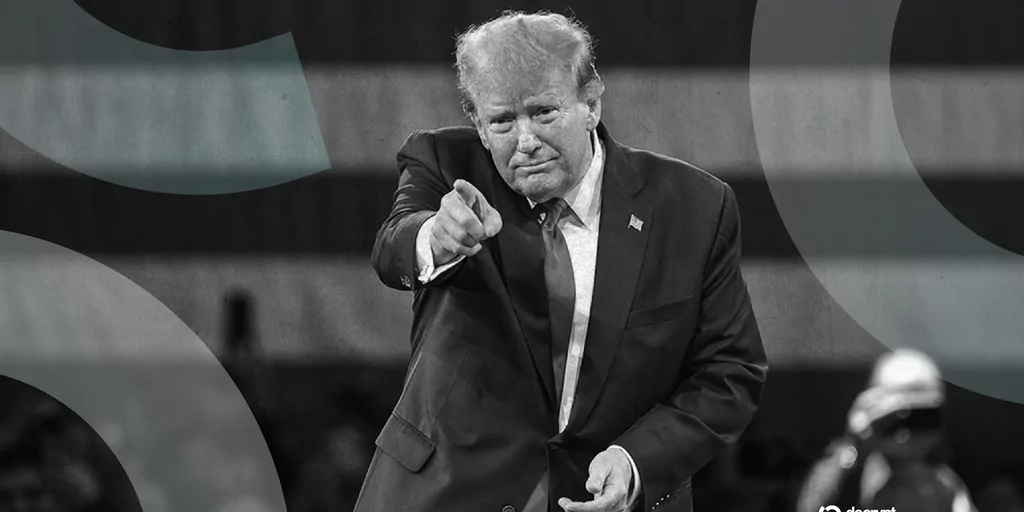
Trump’s AI Executive Order: A Federal Push Against State Regulations
The world of artificial intelligence (AI) regulation is heating up as former President Donald Trump signed an executive order aiming to overrule state-level AI legislation. This bold move sets the stage for a federal clash with individual states over control and oversight of this rapidly evolving technology.
What Does the Executive Order Entail?
The new executive order establishes an AI Litigation Task Force under the Attorney General, mandating the Department of Justice (DOJ) to challenge state AI laws deemed conflicting with federal standards. One target in the spotlight is Colorado’s newly introduced ‘algorithmic discrimination’ law, which aims to curb AI systems accused of bias and unfair practices.
The administration’s overall message is clear: A unified federal standard must take precedence over what Trump calls a “patchwork of 50 different regulatory regimes.” This approach seeks to simplify compliance, especially for start-ups and businesses navigating increasingly complex AI regulations across state lines.
State Legislation in the Crosshairs
In a historic wave, all 50 U.S. states considered legislation related to AI during the 2025 legislative session, with 38 enacting approximately 100 measures. State regulations have covered everything from data privacy to ethical AI implementation, often running contrary to federal objectives outlined in the new executive order.
Trump’s order emphasizes innovation over restriction, stating that “excessive state regulation thwarts U.S. companies’ ability to lead in the global AI race.” However, this directive has faced backlash for potentially undermining AI safeguards at the state level.
Criticism and Concerns
The executive order has drawn fire from labor unions, policy organizations, and AI researchers alike. Critics argue that the administration is catering to tech corporations at the expense of public safety and ethical concerns. Labor groups, such as the AFL-CIO, labeled it as “a brazen effort to upend AI safety” and accused the White House of prioritizing industry leaders over workers’ rights.
Alexandra Reeve Givens, president of the Center for Democracy and Technology, went as far as to say, “This executive order is designed to chill state-level action to provide oversight and accountability for AI systems while doing nothing to address the real and documented harms AI creates.”
The Debate Over National AI Standards
Despite the criticism, there are proponents of federal intervention in AI regulation. Advocates like Jessica Melugin, Director of the Center for Technology and Innovation at the Competitive Enterprise Institute, champion nationwide standards as essential to competing with global powerhouses like China. However, some argue that the administration’s lack of comprehensive legislation in Congress could undo progress.
What’s Next in the AI Landscape?
The ongoing debate over AI regulation underscores a larger tension between technological innovation and ethical oversight. As AI becomes embedded in industries from healthcare to national security, ensuring its safe and responsible use will remain a contentious issue.
Related Product Spotlight: AI-Powered Productivity Tools
If you’re an entrepreneur or technology enthusiast looking to stay ahead in the fast-paced AI industry, consider investing in AI-powered productivity tools like the Microsoft 365 Copilot. This innovative tool uses cutting-edge AI to enhance your daily workflow, from real-time collaboration to automated scheduling.